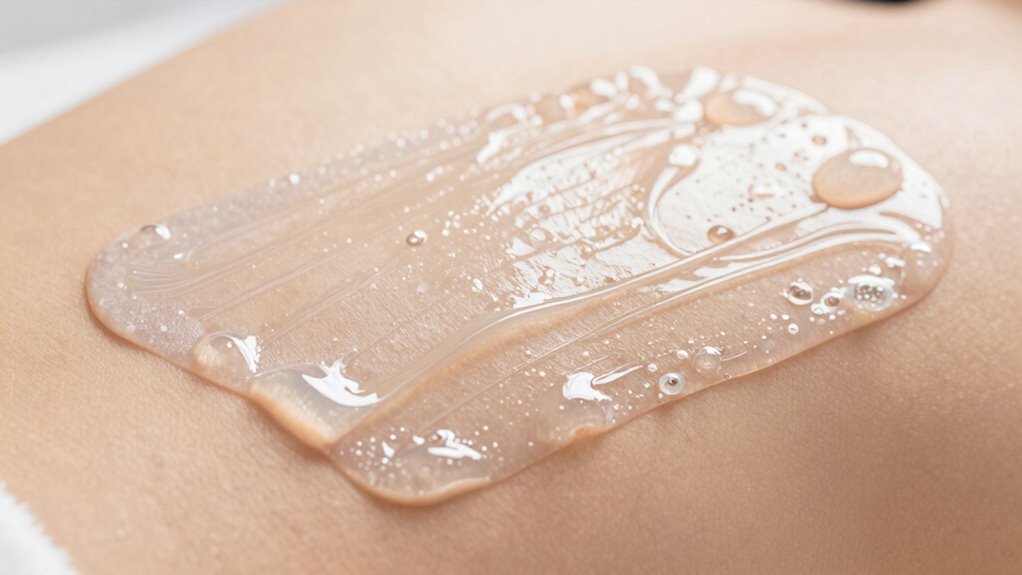

Most microcurrent users overlook the importance of applying enough conductive gel for effective treatment. You need a thin, even layer to guarantee proper electrical contact, but many use too little or too much, reducing results or causing mess. Proper gel application improves comfort and device performance. If you keep neglecting this vital step, your treatments won’t be as effective. Stay tuned to learn how mastering this simple rule can transform your microcurrent experience.
Key Takeaways
- Many users apply too little gel, reducing electrical conductivity and treatment effectiveness.
- Overusing gel causes mess and complicates electrode placement, yet some neglect proper amount.
- Users often forget to thoroughly clean electrodes between sessions, leading to buildup and poor contact.
- Ignoring electrode inspection for wear and damage impairs conductivity and treatment quality.
- Inconsistent gel reapplication and poor maintenance decrease device lifespan and treatment results.
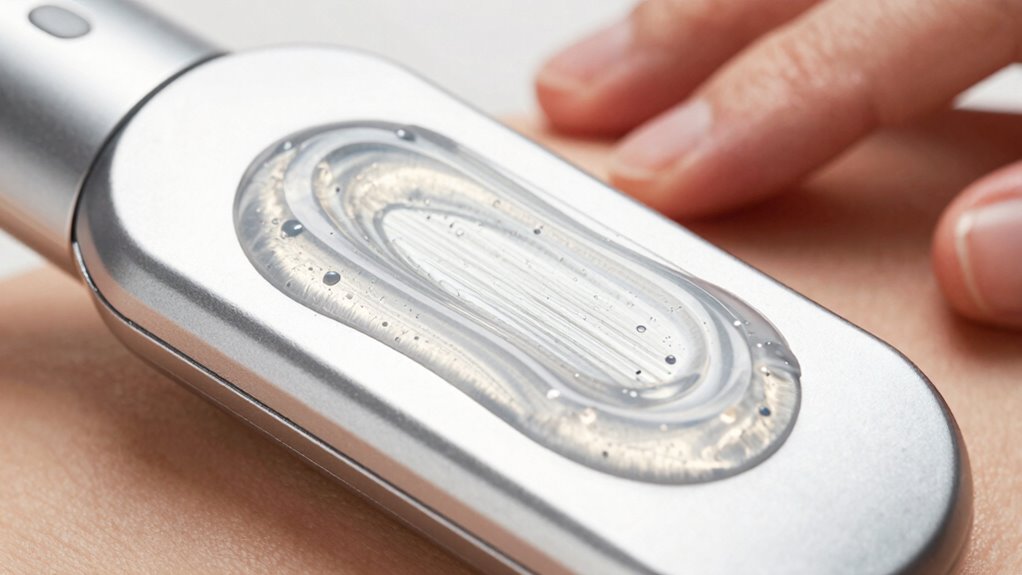
Using conductive gel properly is essential for effective microcurrent treatments, as it guarantees ideal electrical contact between the device and your skin. But many users overlook an important aspect: electrode maintenance and gel application techniques. Properly caring for your electrodes and applying gel correctly can make a significant difference in your results and the longevity of your device. When you neglect electrode maintenance, dirt, dead skin, and residual gel build up on the electrodes, impairing conductivity. This buildup can cause inconsistent electrical flow, reducing treatment effectiveness and possibly damaging your device over time. To avoid this, you should regularly clean your electrodes with a gentle, non-abrasive cloth or a specialized electrode cleaner. After each session, wipe down the electrodes to remove any residual gel or debris, guaranteeing they stay in peak condition. Proper electrode maintenance isn’t just about cleaning; it also involves inspecting your electrodes regularly for signs of wear, such as cracks or corrosion. Damaged electrodes won’t conduct electricity properly and should be replaced promptly to prevent uneven treatment results. Additionally, using proper cleaning techniques can help extend the lifespan of your electrodes and maintain optimal performance. Regularly checking the electrode condition ensures early detection of issues that could compromise treatment quality. Applying consistent gel amounts helps ensure uniform electrical contact and minimizes discomfort during sessions. Gel application techniques are equally significant. When applying conductive gel, you want to use enough to create a smooth, even layer over the treatment area. Too little gel results in poor electrical contact, leading to inconsistent sensations or less effective treatment. Conversely, applying too much gel can cause unnecessary mess, make it harder to position your electrodes, and may even cause the gel to seep into your device. To get it right, start with a small amount and spread it evenly using your fingers or a spatula, covering the entire contact surface of the electrodes. The goal is a thin, uniform layer that ensures good conductivity without excess. Also, remember that the type of gel matters; opt for a high-quality, water-based conductive gel designed for microcurrent devices, as it’s less likely to cause skin irritation or damage your electrodes. When you reapply gel during multiple sessions, don’t just add more on top of the old; remove the old gel thoroughly first to prevent buildup, and maintain electrode hygiene to optimize conductivity and safety. Taking care of your electrodes and gel application techniques can significantly enhance treatment results and make your microcurrent therapy more comfortable and effective.

KARUNO 10oz Microcurrent Conductive Gel – Hydrating Gel with Hyaluronic Acid & Aloe Vera – Fragrance-Free, Paraben-Free, Non-Irritating – Safe for All Skin Types
Hydrating Care for All Skin Types: Gentle yet effective, this fragrance-free and paraben-free conductive gel is formulated to…
As an affiliate, we earn on qualifying purchases.
As an affiliate, we earn on qualifying purchases.
Frequently Asked Questions
How Often Should I Replace My Conductive Gel?
You should replace your conductive gel regularly, typically after 10 to 15 uses, to guarantee ideal gel application and effective microcurrent treatment. Always follow storage guidelines, keeping the gel in a cool, dry place away from direct sunlight, which helps maintain its consistency and prevents contamination. If the gel changes color, smell, or texture, discard it immediately. Regular replacement and proper storage ensure safe, effective, and comfortable sessions.
Can I Reuse Conductive Gel on Different Clients?
Like a vintage record player, reusing conductive gel on different clients isn’t advisable. Gel contamination can transfer bacteria and compromise hygiene. Proper storage practices are key—keep gels in airtight containers, away from dirt and air exposure. Reusing gel risks cross-contamination and skin infections. Always use fresh gel for each client to guarantee safety and best results, rather than risking cross-contamination from shared, improperly stored gel.
What Are the Signs of Expired Conductive Gel?
Expired conductive gel shows signs like a foul odor, change in color, or a thick, clumpy texture. When you perform gel application, pay attention to these signs to guarantee safety and effectiveness. Follow proper storage guidelines—keep the gel in a cool, dry place, sealed tightly, to prolong its shelf life. If you notice any of these signs, it’s best to replace the gel to maintain peak microcurrent treatment results.
Is Conductive Gel Safe for Sensitive Skin?
Yes, conductive gel is generally safe for sensitive skin, but you should proceed with caution. It can sometimes cause skin irritation or allergic reactions, especially if you have allergies or very sensitive skin. Always do a patch test before full use and choose a hypoallergenic, dermatologist-tested gel. If you notice redness, itching, or discomfort, stop using it immediately and consult a healthcare professional.
How Much Gel Is Needed for Effective Treatment?
You should apply a thin, even layer of conductive gel for effective treatment. Using too much gel can hinder the device’s performance, while too little may reduce conductivity. Always perform compatibility testing on a small skin area before full application, especially if you have sensitive skin. Proper gel application guarantees ideal contact, enhances comfort, and maximizes results without causing irritation or discomfort during your microcurrent session.

Electrode Conductive Gel for TENS Unit, Doppler Ultrasound Device, Cavitation microcurrent Machine and Replacement Pads, Clear 2 Pack, 250 ml
Enhanced Conductivity: Optimize your TENS Unit, Doppler ultrasound device, cavitation microcurrent machine, and replacement pads with our premium…
As an affiliate, we earn on qualifying purchases.
As an affiliate, we earn on qualifying purchases.
Conclusion
So, now that you know the importance of using conductive gel properly, will you continue to overlook this simple yet vital step? Remember, skipping or misapplying the gel can compromise your results and even cause discomfort. By paying attention to this often-ignored rule, you’ll enhance your microcurrent experience and achieve better outcomes. Don’t you owe it to yourself to get the most from your treatments? Make the gel rule a priority and see the difference it makes!
Electrode Conductive Gel for TENS Unit, Doppler Ultrasound Device, Cavitation microcurrent Machine and Replacement Pads, Clear 2 Pack, 250 ml
Enhanced Conductivity: Optimize your TENS Unit, Doppler ultrasound device, cavitation microcurrent machine, and replacement pads with our premium…
As an affiliate, we earn on qualifying purchases.
As an affiliate, we earn on qualifying purchases.

Oeneis Hydrating Microcurrent Conductive Gel, Fragrance-Free, Paraben-Free, Gel Primer with Hyaluronic Acid, Non-irritating, Moisturizing Gel for RF, 300g Tube, Clear
Suitable for all skin types: Generally safe and suitable for all skin types.
As an affiliate, we earn on qualifying purchases.
As an affiliate, we earn on qualifying purchases.