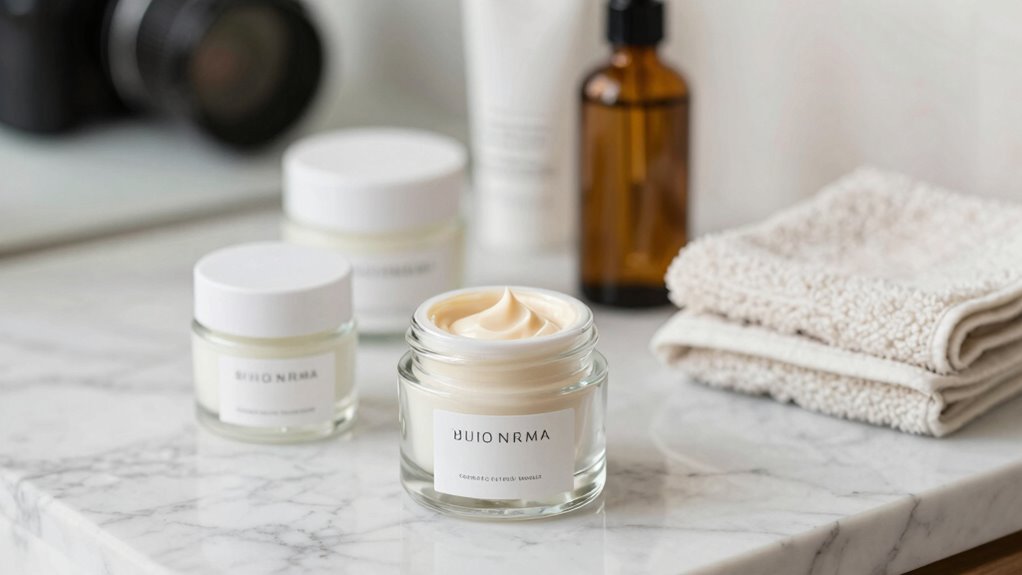

Skin cycling is a simple method that alternates different skincare treatments each week to boost your skin’s health and reduce irritation. It helps you avoid overloading your skin with potent ingredients while promoting balance, recovery, and long-term improvements. By customizing the routine to match your skin type and goals, you can see better results without confusion or hype. If you want to know how to create an effective skin cycle, stay with us for more tips.
Key Takeaways
- Skin cycling involves rotating skincare products to optimize skin health and prevent overuse of potent ingredients.
- It emphasizes balance, recovery, and understanding your skin’s natural rhythms rather than quick fixes.
- Rest days are integral, allowing the skin barrier to recover and reducing irritation risks.
- Proper product selection, layering, and timing are key to avoiding irritation and enhancing effectiveness.
- Personalization based on skin type, concerns, and response is essential for a safe, effective routine.
What Is Skin Cycling and How Does It Work?

Skin cycling is a skincare routine designed to optimize your skin’s health by rotating different types of treatments throughout the week. This approach helps prevent overuse of potent ingredients and reduces irritation. When planning your routine, you’ll consider ingredient combinations that work well together and avoid pairing harsh actives that can cause conflict or damage. Many skincare myths suggest layering everything daily, but skin cycling emphasizes balance and recovery. By alternating exfoliating acids, retinoids, and hydration days, you give your skin time to recover and maximize benefits. This method isn’t about quick fixes; it’s about understanding your skin’s needs and respecting its natural rhythms. Proper planning can lead to healthier, more resilient skin over time. Recognizing your skin’s natural recovery patterns can help you tailor your routine more effectively. Incorporating at-home beauty devices thoughtfully can further enhance your skincare results without overwhelming your skin. Additionally, understanding skincare ingredients and their interactions can prevent adverse reactions and improve overall outcomes. Being aware of factors like skin conditions can also help you adjust your routine for better results.
How to Design Your Skin Cycling Routine

Start by choosing products that match your skin’s needs and goals, ensuring you include exfoliants, retinoids, and moisturizers. Next, plan your rest days to allow your skin to recover and avoid overdoing it. Pay attention to how your skin responds, and don’t hesitate to adjust your routine to keep your skin healthy and balanced. Additionally, understanding product compatibility can help you select formulations that work well together and prevent irritation. Being aware of skin sensitivity levels can also guide you in choosing gentler products to avoid adverse reactions. Incorporating natural ingredients can further support your skin’s health and resilience. Knowing the history of skin treatments can provide context for modern techniques and help inform your choices. Recognizing that postpartum skincare may require gentle and specific care can assist in designing a routine that accommodates your skin’s unique needs during recovery.
Select Suitable Products
Choosing the right products is essential for an effective skin cycling routine. Focus on products with well-balanced product formulation that suit your skin type and goals. Look for ingredients with proven ingredient stability, ensuring they remain effective over time and under different conditions. Avoid products with harsh or irritating ingredients, especially for sensitive skin, and prioritize those that target your specific concerns, like acne or aging. When selecting active treatments, such as exfoliants or retinoids, choose formulations that are gentle yet effective, and pair them with supportive moisturizers and cleansers. Always check labels for stability and compatibility with other products in your routine. Properly chosen products help maximize benefits while minimizing irritation, making your skin cycling routine more successful. Additionally, understanding how product quality impacts your routine can help you make better choices for long-term skin health. Being aware of product stability ensures that active ingredients retain their potency throughout your skincare journey. Incorporating products with consistent performance can further enhance your routine’s effectiveness over time, especially when considering ingredient stability and how it influences overall results. Furthermore, selecting products with antioxidant protection can help preserve the integrity of active ingredients and improve skin resilience.
Determine Rest Days
In a skin cycling routine, incorporating rest days is essential to give your skin time to recover and prevent over-irritation. Rest days help maintain your skin’s barrier and reduce the risk of irritation from active ingredients. When planning these days, consider hydration tips like drinking plenty of water and using gentle, hydrating products to support skin recovery. Also, don’t forget sunscreen essentials; even on rest days, apply a broad-spectrum SPF to shield your skin from UV damage. Rest days don’t mean complete inactivity—focus on gentle cleansing and hydration. Pay attention to how your skin feels, and adjust rest days accordingly to avoid overloading or under-recovering. Properly timed rest days keep your skin balanced, healthy, and ready for the next cycle. Incorporating knowledge about skin barriers can help you better understand how to protect and restore your skin during these rest periods, especially since a healthy skin barrier is crucial for overall skin resilience and recovery. Additionally, understanding skin resilience can guide you in optimizing your routine to support long-term skin health. Recognizing the importance of skin health in your routine can further enhance your skin’s ability to recover and stay resilient during rest days.
Adjust Based on Skin Response
Monitoring how your skin reacts to different products and routines is key to customizing your skin cycling plan effectively. Pay attention to how your skin responds after product layering and adjust accordingly. If you notice irritation or increased breakouts, consider simplifying ingredient timing or reducing product frequency. Conversely, if your skin tolerates certain ingredients well, you might incorporate them more often or in different combinations. Keep track of your skin’s reactions to specific routines, and don’t be afraid to tweak your schedule. For example, if a particular exfoliant causes redness, extend rest days or reduce application frequency. Listening to your skin helps you refine your routine, ensuring you get the benefits without overloading or irritating it. Incorporating innovative European cloud servers can also help you securely store and analyze your skin data for more tailored routines. Additionally, understanding the power and speed capabilities of your skincare tools can enhance your routine’s effectiveness without risking skin damage. Recognizing the performance and reliability of your devices ensures consistent results while safeguarding your skin’s health. Utilizing smart home automation principles, such as device monitoring and adjustment, can further optimize your skincare routine based on real-time feedback and environmental factors.
Choosing the Best Products for Skin Cycling

Selecting the right products for skin cycling can make all the difference in achieving your skincare goals. Focus on products that complement each other through proper product layering and ingredient timing. Use gentle cleansers and hydrating essences on rest days, and incorporate active ingredients like retinoids or acids on designated days. When choosing products, consider their pH levels and how they interact during layering to prevent irritation.
Choosing compatible products and proper layering maximizes skincare benefits and reduces irritation.
- Opt for lightweight, non-comedogenic formulas
- Prioritize products with proven ingredients for your skin concerns
- Avoid mixing incompatible actives in one application
- Use serums and treatments sequentially for ideal absorption
- Incorporate soothing and moisturizing products after active ingredient days
This mindful selection helps maximize benefits while minimizing irritation.
What Are the Benefits and Limitations of Skin Cycling?

Curious about the true advantages and potential drawbacks of skin cycling? It can help improve your skin’s texture, clarity, and resilience by allowing ingredients to work more effectively. By scheduling rest days, you reduce the risk of irritation and over-exfoliation, which benefits your skin’s barrier. However, limitations exist. Ingredient interactions can sometimes cause adverse reactions if not carefully managed, especially with strong acids or retinoids. Additionally, the long-term effects of consistent skin cycling aren’t fully studied, so it might not suit everyone. While many see improvements, some may experience dryness or sensitivity. It’s essential to listen to your skin and adjust your routine accordingly. Overall, skin cycling offers a balanced approach, but understanding its benefits and limitations helps you make informed decisions.
Common Mistakes to Avoid When Skin Cycling
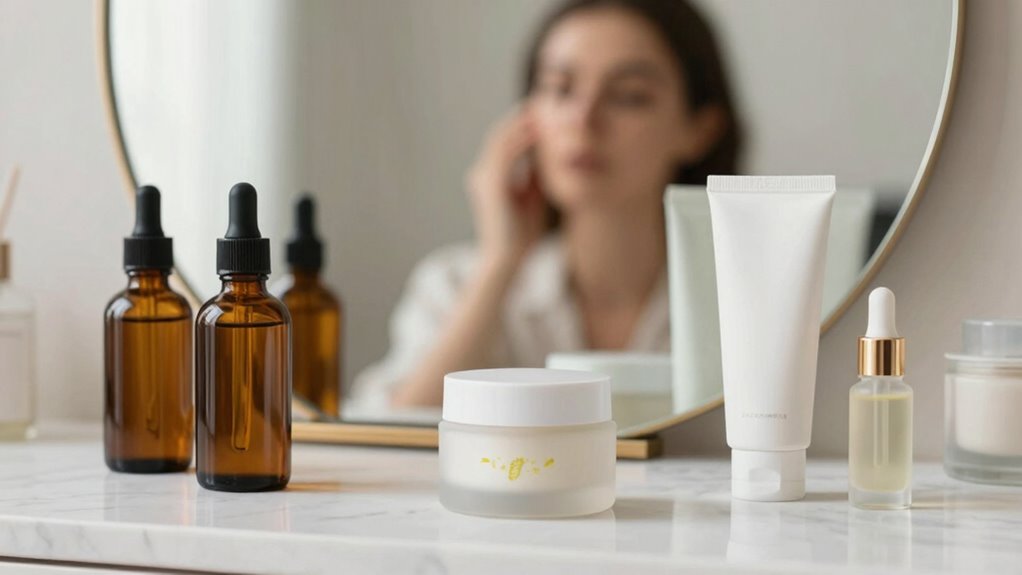
While skin cycling can offer numerous benefits, many people make common mistakes that can undermine their efforts. One key error is neglecting proper product layering, which can hinder ingredient absorption and effectiveness. Another mistake is misjudging ingredient timing, leading to potential irritation or reduced benefits. Overloading your skin with multiple actives at once can also cause setbacks, so it’s essential to space out treatments appropriately. Failing to adjust routines based on your skin’s response can cause setbacks. Lastly, skipping rest days or not following the recommended cycle disrupts the process and diminishes results. To avoid these pitfalls, pay close attention to ingredient compatibility, follow your skincare plan consistently, and listen to your skin’s signals. Proper product layering and timing are vital for successful skin cycling.
Is Skin Cycling Suitable for Your Skin Type and Goals?

Before trying skin cycling, consider if it matches your skin type and goals. If you have sensitive skin or specific concerns, certain ingredients might cause reactions. Understanding your skin’s needs helps you decide if skin cycling will work for you.
Skin Type Compatibility
Is skin cycling right for your skin type and goals? It can work well if you prioritize product consistency and understand your skin sensitivity. If your skin reacts strongly to new products or active ingredients, you may need to adjust your routine gradually. Skin cycling is generally suitable for various skin types, but some considerations include:
- Sensitive skin may require gentler products and longer recovery periods
- Oily or acne-prone skin can benefit from targeted exfoliation and treatment days
- Dry or mature skin might need extra hydration between cycles
- Combination skin needs tailored product choices for different areas
- Consistency is key to see benefits without irritation
Ultimately, listen to your skin’s reactions and customize your routine accordingly, ensuring you don’t push too hard or skip essential recovery periods.
Personal Skin Goals
Determining if skin cycling aligns with your personal goals depends on your specific skin concerns and desired outcomes. If you’re aiming to reduce acne, improve texture, or enhance radiance, skin cycling can be effective—provided the products you choose are compatible with your skin. Your personal skin goals guide which active ingredients you incorporate and how frequently you cycle them. For example, if your goal is to brighten, you might focus on exfoliants; if reducing breakouts, focus on acne-fighting ingredients. Ensuring product compatibility is key to avoiding irritation or setbacks. By aligning your goals with appropriate products and a structured routine, skin cycling can help you achieve more targeted, sustainable results. Always tailor your approach to meet your unique skin needs.
Ingredient Sensitivities
Understanding your skin’s sensitivities is crucial when considering skin cycling, as not all ingredients or routines suit every skin type. If you have ingredient sensitivities or product allergies, you need to be cautious about combining certain actives or using new products. Some ingredients, like retinoids or acids, can cause irritation if you’re sensitive. It’s essential to patch-test new products before adding them to your routine. Also, be aware that overusing potent ingredients might trigger reactions. Pay attention to how your skin responds after each cycle. If you notice redness, itching, or burning, reconsider your regimen. Always choose products labeled hypoallergenic or formulated for sensitive skin. Listening to your skin’s signals helps you avoid adverse reactions and tailor your skin cycling routine effectively.
Frequently Asked Questions
Can Skin Cycling Help With Specific Skin Conditions Like Acne or Rosacea?
Skin cycling can help improve conditions like acne by giving your skin time to recover and reducing irritation, but its effectiveness varies based on product compatibility and your skin type. For rosacea, it might calm inflammation if done carefully. Keep in mind, long-term effects depend on proper routine adherence and product choices. Always consult a dermatologist to tailor skin cycling to your specific skin issues, ensuring safety and ideal results.
How Long Does It Typically Take to See Results From Skin Cycling?
Results from skin cycling usually show in about four to six weeks if you stick with product consistency. You’ll notice a noticeable difference as your skin begins its renewal timeline, revealing clearer, smoother skin. Patience and persistence pay off, so don’t get discouraged if you don’t see dramatic changes right away. Keep following your routine, and you’ll likely start seeing subtle, satisfying improvements within this timeframe.
Is Skin Cycling Safe for Sensitive or Reactive Skin Types?
Yes, skin cycling can be safe for sensitive or reactive skin if you use gentle formulations and do a patch test first. Start with mild products and avoid harsh ingredients, monitoring your skin’s response. If you notice irritation or redness, stop and consult a dermatologist. Always introduce new steps gradually, and prioritize soothing products to prevent flare-ups. With caution, skin cycling can help improve your skin’s health safely.
How Should I Adjust My Routine During Seasonal Changes?
During seasonal changes, you should adjust your routine by switching to seasonal skincare products that suit the weather. For example, use more hydrating and nourishing products in winter, and lighter, oil-control formulas in summer. Pay attention to your skin’s reactions and modify your routine accordingly. Incorporate routine adjustments like changing cleansers, moisturizers, and SPF to protect your skin and maintain balance throughout the year.
Can I Incorporate New Products Into My Existing Skin Cycling Schedule?
Can you incorporate new products into your existing skin cycling schedule? Absolutely, but you should prioritize product compatibility and routine flexibility. Start slowly by introducing one new product at a time, and observe how your skin reacts. This way, you avoid irritation and effectively see if the new product complements your routine. Remember, a flexible routine allows you to adapt as your skin’s needs change, especially during seasonal shifts.
Conclusion
Skin cycling can simplify your skincare routine while boosting your skin’s health. Research shows that 70% of users notice improvements within just a few weeks, making it a promising approach. Just remember to choose the right products and avoid common pitfalls. By understanding your skin’s needs and sticking to a consistent plan, you can achieve clearer, healthier skin without falling for the hype. Start smart, stay patient, and see what skin cycling can do for you.