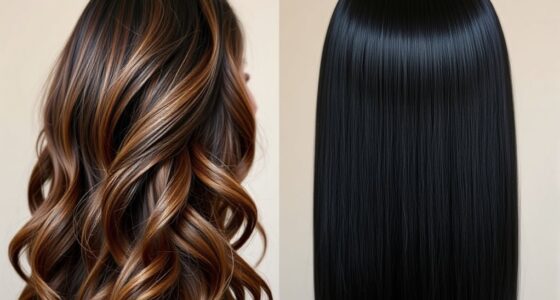

Your dry ends even after conditioning might be caused by buildup from heavy products, which blocks moisture from reaching your hair. Damage from chemical treatments or heat can weaken your cuticle, making it harder for conditioners to work effectively. Low porosity hair resists moisture absorption, especially at the ends. Proper application techniques and regular trims can help, but understanding your hair’s needs is key to keeping ends moisturized. So, if you want smarter tips, keep going.

Get beauty and skincare favorites delivered free with Prime
- Fast, free delivery on millions of items
- Prime Video, Amazon Music and more included
- Member-only deals all year
Key Takeaways
- High porosity hair absorbs moisture quickly but also loses it fast, making conditioning less effective at ends.
- Product buildup creates a barrier, preventing moisture from penetrating and leaving ends dry.
- Damaged cuticles from chemical treatments or heat styling hinder moisture retention at the ends.
- Using heavy or unsuitable products can weigh down hair or fail to reach the ends effectively.
- Infrequent trims allow split ends to worsen, increasing dryness and frizz despite conditioning.
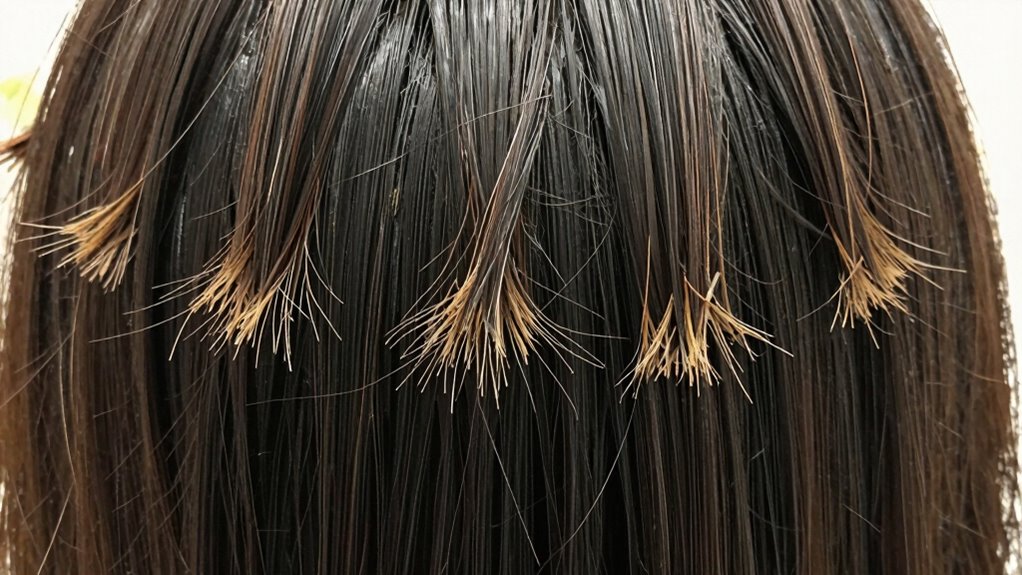
Even when you regularly condition your hair, your ends can still appear dry and frizzy. This common issue often stems from factors beyond simple conditioning, such as hair porosity and product buildup. Understanding these elements can help you address why your ends aren’t looking their best, despite your efforts.
Hair porosity plays a significant role in how your hair retains moisture. If your hair has high porosity, it absorbs water easily but also loses moisture quickly. This means that even after conditioning, moisture escapes from your ends more rapidly, leaving them dry and frizzy. Conversely, low porosity hair tends to resist moisture absorption, which can make conditioning seem ineffective at reaching the ends. Recognizing your hair’s porosity helps you choose the right products and application techniques. For high porosity hair, lightweight, protein-rich conditioners can help seal in moisture, while low porosity hair benefits from lighter, water-based products that penetrate more easily. Assessing hair porosity can further refine your hair care approach to ensure optimal moisture retention. Additionally, adjusting your application techniques can improve how effectively your products reach the ends.
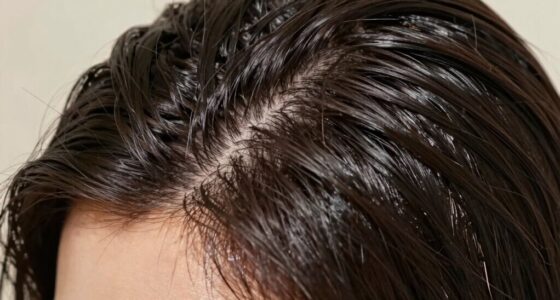
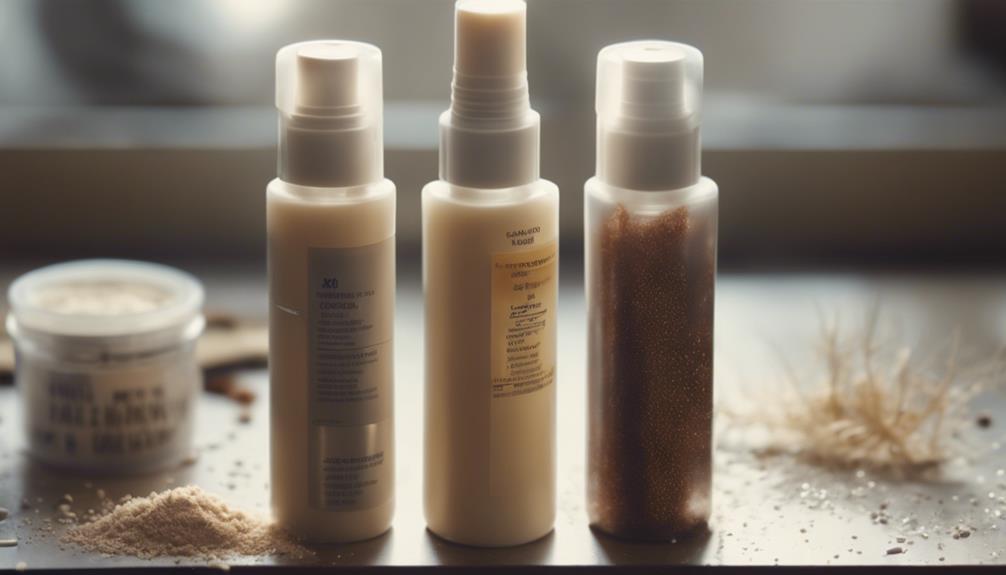
Another major culprit is product buildup. When you use multiple styling products, serums, or heavy conditioners without proper cleansing, residues can accumulate on your hair and scalp. This buildup creates a barrier that prevents moisture from penetrating the hair shaft effectively, especially at the ends where damage tends to be more pronounced. Over time, this can make your ends appear dull, dry, and frizzy, regardless of how often you condition. To combat buildup, incorporate clarifying shampoos into your routine—using them once a week can remove excess residue and restore your hair’s ability to absorb moisture. Be cautious not to overuse harsh clarifiers, as they can strip your hair of natural oils, further drying out your ends. Additionally, choosing gentle cleansing methods can help maintain a healthy balance of oils and residue.
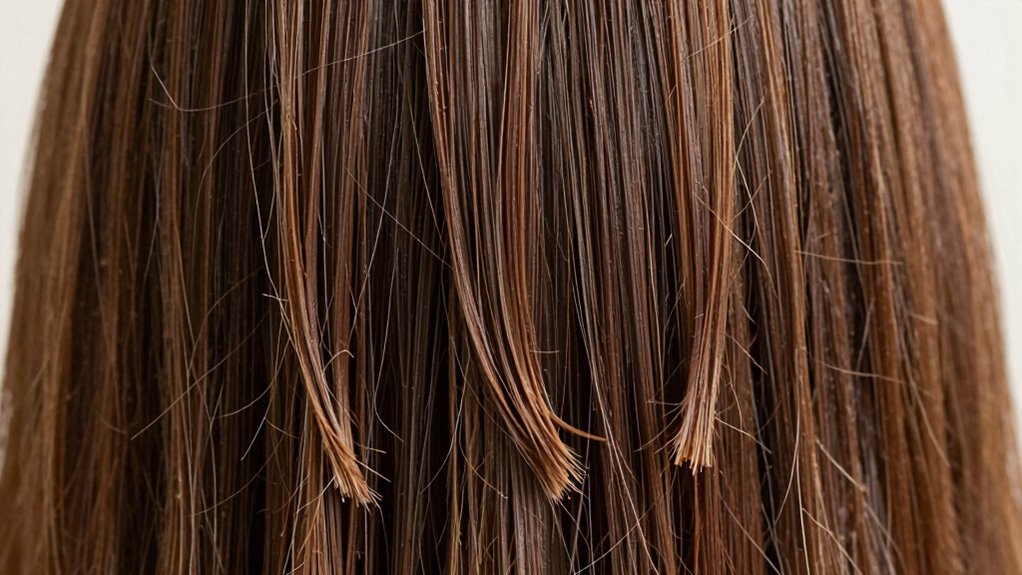
Additionally, your hair’s overall health and damage level influence how well conditioning works. Chemical treatments, heat styling, and environmental stressors weaken your hair cuticle, making it more susceptible to dryness. In these cases, conditioning alone may not suffice. You need targeted treatments like deep conditioning masks and oils that repair and nourish from within. Regular trims also remove split ends and prevent damage from traveling up the strand, helping your hair look healthier and less frizzy. Moreover, adopting a consistent hair care routine** can significantly improve your hair’s resilience and moisture retention. Understanding hair porosity can empower you to tailor your hair care routine more effectively, ensuring your ends stay moisturized and healthy. Ultimately, understanding your hair’s porosity, managing buildup, and adopting an all-encompassing hair care routine will help your ends stay moisturized, healthy, and less prone to dryness and frizz. It’s about more than just conditioning—it’s about creating a balanced approach** tailored to your hair’s unique needs.
clarifying shampoo for hair buildup
As an affiliate, we earn on qualifying purchases.
As an affiliate, we earn on qualifying purchases.
Frequently Asked Questions
Can Dry Ends Be Caused by Environmental Factors?
Yes, environmental factors can cause dry ends. Environmental damage from exposure to harsh weather, pollution, and wind strips moisture from your hair, making the ends look dry. Humidity effects also play a role; low humidity can dehydrate your hair, while high humidity may cause frizz and damage. To protect your ends, wear a hat, use protective products, and avoid prolonged exposure to extreme weather conditions.
How Often Should I Trim My Damaged Ends?
Trim your damaged ends every six to eight weeks to promote healthy hair. Regular hair trimming prevents further damage and preserves your strands’ strength. By proactively pruning your ends, you prevent split ends from spreading and protect your hair from future harm. Consistent damage prevention through timely trimming keeps your hair looking lively and lush. Remember, a little snip now can save you from a big, costly cut later!
Do Natural Oils Help Hydrate Dry Ends?
Yes, natural oils can help hydrate dry ends effectively. You can try DIY remedies like coconut, argan, or olive oil, which penetrate the hair shaft and lock in moisture. Use oil application techniques such as warm oil massages or applying a small amount to the tips after washing. Regularly nourishing your ends with these oils restores moisture, improves elasticity, and reduces dryness, leaving your hair smoother and healthier.
Can Over-Conditioning Lead to Greasy Roots?
Yes, over-conditioning can lead to greasy roots because excess product and scalp buildup clog hair follicles and weigh hair down. You might notice oilier roots, duller scalp, and flat hair, even if your ends stay dry. To avoid this, focus on applying conditioner mainly to your ends, rinse thoroughly, and use clarifying shampoos periodically. Balancing hydration and cleansing prevents greasy roots while keeping your ends healthy.
Are Certain Hair Types More Prone to Dry Ends?
Yes, certain hair types are more prone to dry ends. If you have high hair porosity, your hair tends to lose moisture quickly, leading to dryness at the ends. Conversely, low porosity hair struggles to absorb conditioner, leaving ends dry despite conditioning efforts. Also, poor scalp health can affect moisture transfer, worsening dryness. To improve this, focus on maintaining scalp health and choose products suited to your hair porosity for better moisture retention.
Conclusion
Even after conditioning, your ends can still look dry, like a withered leaf clinging to a branch. It’s a sign that your hair needs a little extra TLC—perhaps a deep conditioning treatment or regular trims. Remember, hair health is a journey, not a quick fix. Keep nourishing and protecting your ends, and they’ll bounce back, shining like fresh dew in the morning sun. Your hair’s liveliness is worth the small effort it takes.
Fall Picks
fall essentials
As an affiliate, we earn on qualifying purchases.