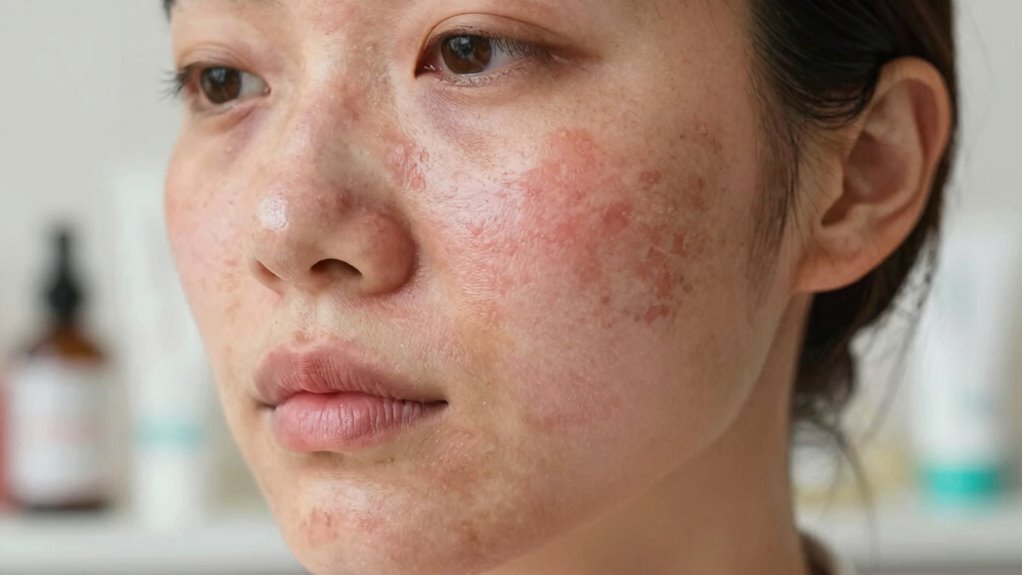

If you notice redness, irritation, increased sensitivity, persistent dryness, peeling, or your skin feels tight despite using moisturizers, you might be over-exfoliating. Using harsh scrubs or acids too often can damage your skin barrier, leading to redness, burning, and sensitivity. To recover, stop exfoliating, switch to gentle products, and focus on nourishing and repairing your skin. Keep going, and you’ll discover how to reset your routine and protect your skin long-term.

Get beauty and skincare favorites delivered free — and shop member deals
- Fast, free delivery on millions of items
- Access to Prime Big Deal Days deals on October 6–7
- Prime Video, Amazon Music and more included
Key Takeaways
- Look for signs like persistent redness, irritation, or tightness after exfoliation, indicating overdoing it.
- Avoid frequent use of harsh scrubs or multiple exfoliating products daily; limit exfoliation to 2-3 times weekly.
- Cease all exfoliation and switch to gentle, hydrating, barrier-repair products to facilitate skin recovery.
- Use nourishing ingredients like ceramides, hyaluronic acid, and niacinamide to repair and strengthen the skin barrier.
- Patience and proper routine are essential; healing can take days to weeks depending on severity.
How to Recognize the Signs You’re Over-Exfoliating Your Skin
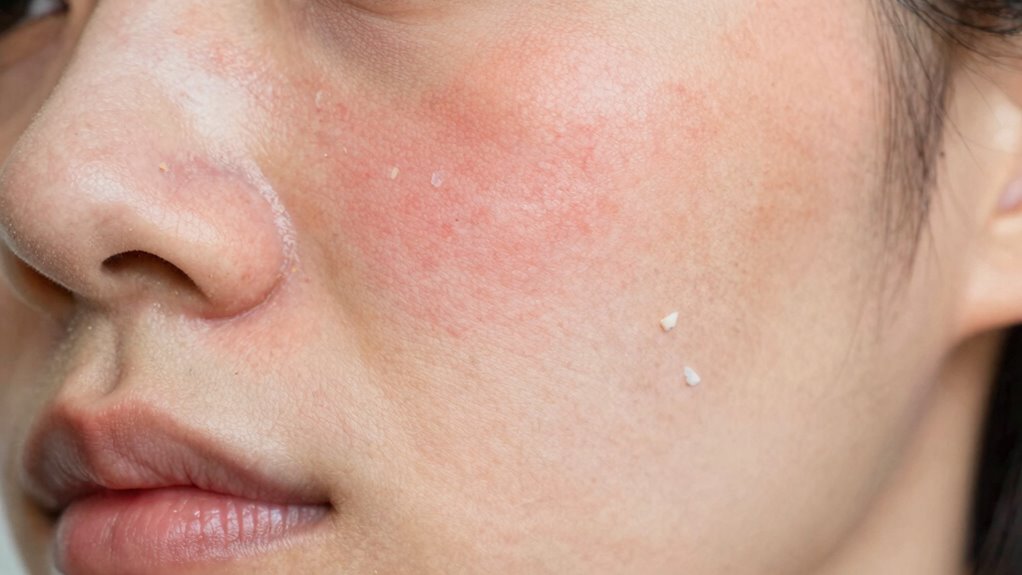
If you’ve been exfoliating frequently, it’s important to recognize the signs that you might be overdoing it. Over-exfoliation can cause redness, irritation, and increased sensitivity. If your skin feels sore or looks inflamed after using chemical peels or DIY treatments, that’s a red flag. You might notice your skin becoming flaky, dry, or tight, even with regular moisturizer. Pimples and breakouts may also appear, as your skin struggles to maintain balance. Pay attention to your skin’s response—if it reacts negatively to exfoliating products or treatments, reduce frequency immediately. Over-exfoliation weakens your skin’s barrier, making it more vulnerable. Recognizing these signs early helps prevent further damage and keeps your skin healthy and resilient. Additionally, over-exfoliating can compromise your skin’s barrier function, increasing susceptibility to environmental pollutants and irritants.
To protect your skin, prioritize gentle exfoliation and consider skin barrier health as a key part of your skincare routine.
How Over-Exfoliation Damages Your Skin Barrier
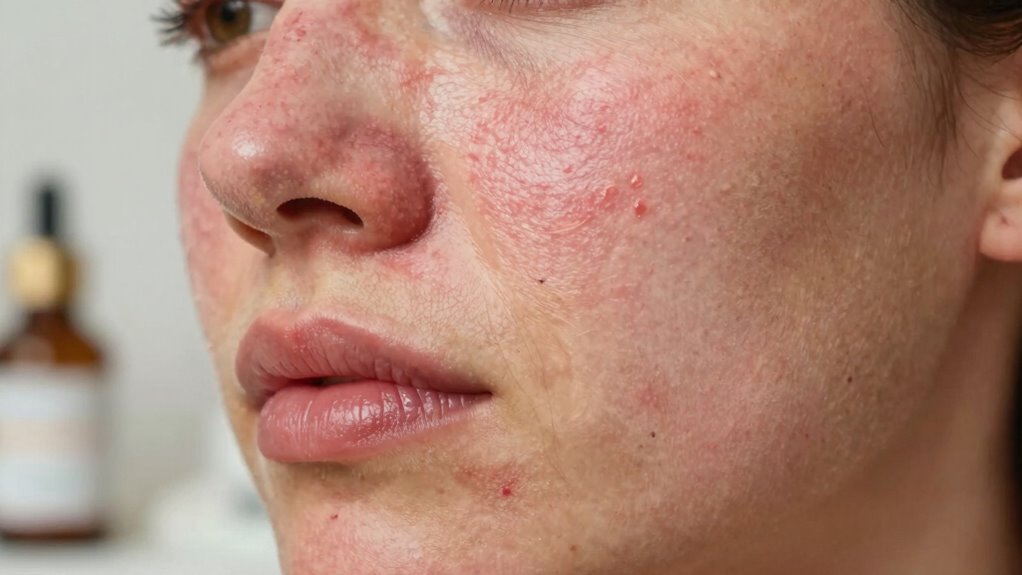
When you over-exfoliate, you strip away the outermost layer of your skin, known as the barrier, which is vital for protecting against environmental damage and retaining moisture. This damage can lead to increased skin sensitivity, making your skin more reactive to irritants. Over-exfoliation can cause chemical burns, even if you didn’t realize it at first, resulting in redness, pain, and peeling. The weakened barrier allows harmful particles and bacteria to penetrate more easily, prolonging irritation and slowing healing. Additionally, the disruption of the skin’s natural regeneration process can hinder your skin’s ability to recover effectively. This ongoing cycle of damage can compromise your skin’s overall system health, leading to long-term issues if not addressed. As a result, your skin becomes more vulnerable, and the cycle of damage worsens. Protecting your skin barrier is essential to avoid these issues and maintain healthy, resilient skin. European cloud innovation emphasizes the importance of sustainable solutions that support overall system health and security.
Common Causes of Over-Exfoliation: Products, Frequency, and Techniques
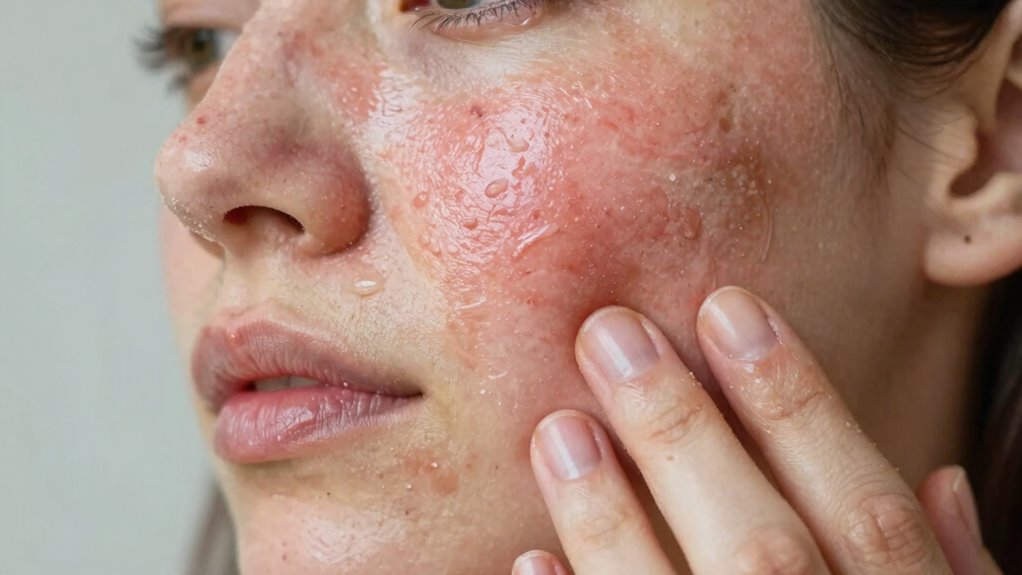
Many people unintentionally over-exfoliate because they rely on too many products, use aggressive techniques, or exfoliate too often. For example, combining chemical peels with enzymatic scrubs can weaken your skin barrier over time. Using multiple exfoliating products daily, especially those with acids or enzymes, increases the risk of overdoing it. Aggressive techniques, like scrubbing vigorously or using harsh tools, can damage your skin’s surface. Frequent exfoliation—more than two or three times a week—can strip away essential moisture and disrupt the skin’s balance. It’s easy to fall into the trap of over-exfoliating by relying on these methods without listening to your skin’s signals. Understanding your products and their effects helps prevent damage and keeps your skin healthy. Incorporating insulated jackets for winter can help protect your skin from harsh environmental factors that may worsen over-exfoliation effects.
When Your Skin Needs a Reset Instead of More Exfoliation
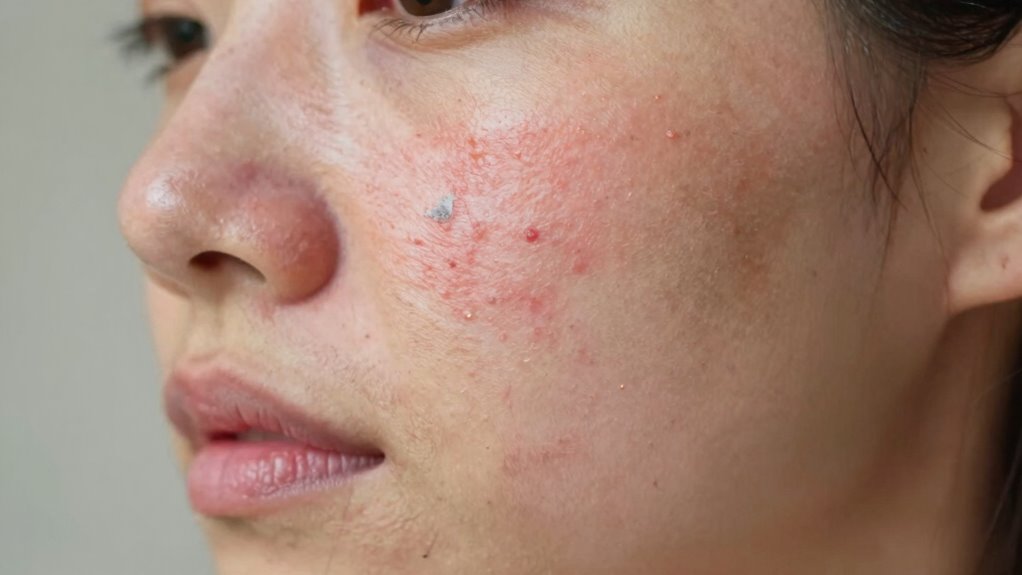
Over-exfoliating can sometimes do more harm than good, leaving your skin irritated, sensitive, or even damaged. It’s important to recognize when your skin needs a reset instead of more exfoliation. Many exfoliation myths suggest that frequent or aggressive exfoliation always benefits your skin, but overdoing it weakens your skin barrier, making it more vulnerable. When your skin feels tight, looks inflamed, or shows signs of redness and peeling, it’s a clear sign you need to pause and focus on healing. Instead of piling on more products, give your skin a break and prioritize nourishing and repairing your skin barrier. Restoring your skin’s health is the key to a clearer, calmer complexion without risking further damage from unnecessary exfoliation. Paying attention to your skin’s signs of over-exfoliation can help you better determine when to stop and focus on recovery. Recognizing the importance of a healthy skin barrier is essential for long-term skin health and resilience. Additionally, understanding the role of gentle skin care routines can support your skin’s recovery and prevent future issues.
A Step-by-Step Reset Plan for Healing Your Skin
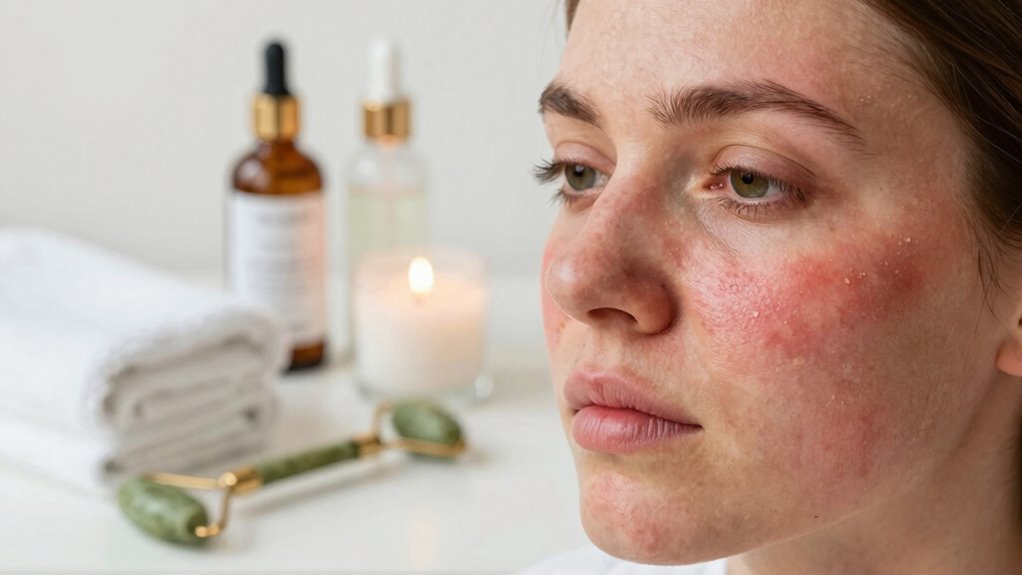
To effectively heal your skin after over-exfoliating, follow a targeted reset plan that focuses on restoring your skin’s barrier and reducing irritation. Begin by simplifying your routine: choose gentle, fragrance-free products with low ingredient concentrations to avoid further stress. Focus on hydration and barrier repair using products containing ceramides, hyaluronic acid, and niacinamide. When layering, apply thin, even layers, starting with liquids or serums before creams, ensuring each product is compatible. Avoid harsh actives until your skin shows signs of recovery. Incorporate gentle exfoliation techniques once your skin has healed to prevent future damage. If you notice persistent redness or irritation, consider introducing vetted products like Perfect Fit Living that are designed to support skin healing and barrier restoration. Monitor your skin’s response daily, and give it time to rebuild. Consistency is key; patience allows your skin’s barrier to strengthen gradually, reducing redness and irritation over time. This reset plan sets the foundation for healthier, calmer skin.
How to Choose Gentle Exfoliants and Build a Skin-Friendly Routine

To choose gentle exfoliants, look for ingredients like lactic acid, enzyme-based formulas, or polyhydroxy acids that soothe your skin. Find a balance in how often you exfoliate—too much can cause irritation, while too little might not give results. By crafting a routine that focuses on skin-friendly products and mindful frequency, you’ll keep your skin healthy and resilient. Incorporating calibration of your skincare routine can help ensure your skin responds optimally to exfoliation.
Identifying Gentle Ingredients
Choosing gentle exfoliants begins with understanding the ingredients that won’t irritate your skin. Look for products with gentle ingredients designed for sensitive skin, such as jojoba beads, fruit enzymes, or lactic acid. These mild formulations exfoliate without causing redness or discomfort. Avoid harsh scrubs with coarse particles or strong acids that can damage your skin barrier. Check labels for soothing ingredients like aloe vera, chamomile, or oat extract, which help calm irritation. Selecting products with gentle ingredients ensures a more skin-friendly routine and reduces the risk of over-exfoliating. Remember, the goal is to support your skin’s health, not to strip or irritate it. When choosing exfoliants, prioritize mild formulations crafted for sensitive skin to maintain a healthy, balanced complexion.
Balancing Exfoliation Frequency
Finding the right balance in exfoliation means paying close attention to your skin’s signals and establishing a routine that supports its natural barrier. Many exfoliation myths suggest you need daily scrubbing, but overdoing it can cause more harm than good. Focus on gentle exfoliants with balanced skincare pH to maintain your skin’s health. Using products with an appropriate pH helps preserve your skin’s acid mantle, preventing irritation and barrier damage. Start with exfoliating 2-3 times a week and adjust based on how your skin responds. If your skin feels tight, red, or flaky, cut back. Remember, consistency and patience are key. By choosing mild exfoliants and listening to your skin, you’ll find a frequency that promotes healthy, radiant skin without over-exfoliating. Incorporating professional services can also help tailor your routine to your skin’s unique needs and ensure optimal results. Paying attention to skin barrier health is essential for avoiding over-exfoliation and maintaining a luminous complexion.
Crafting Skin-Friendly Routine
Selecting gentle exfoliants is essential for a skin-friendly routine, especially if you want to avoid irritation or damage. Opt for chemical peels with mild acids like lactic or mandelic acid, which exfoliate without harsh scrubbing. Physical scrubs can be tempting, but choose those with fine, smooth particles or avoid them altogether if your skin is sensitive. Focus on products formulated for your skin type, avoiding overly abrasive ingredients. Incorporate exfoliation into your routine 1-2 times a week, and always follow with hydration and sun protection. Remember, gentle, consistent care keeps your skin healthy without overloading it. Building a balanced routine means listening to your skin’s signals and choosing products that support its natural barrier.
How Long Does It Take to Recover From Over-Exfoliation?
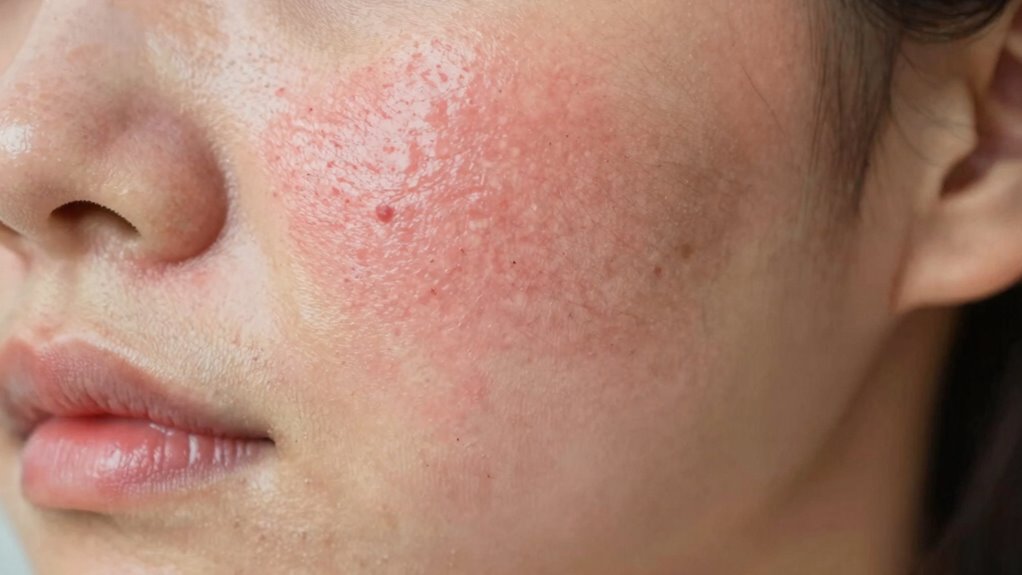
Recovery time from over-exfoliation varies depending on your skin’s condition and how aggressively you’ve exfoliated. Typically, it can take anywhere from a few days to several weeks for your skin to heal fully. Keep an eye out for signs like reduced redness and smoother texture to know your skin has recovered. Proper skincare maintenance can help support your skin’s healing process and prevent future over-exfoliation. Understanding skin barrier health can also play a crucial role in healing and maintaining a healthy complexion. Incorporating gentle, hydrating products can further aid in restoring your skin’s natural moisture balance during recovery. Additionally, maintaining a consistent skincare routine can help reinforce your skin’s resilience and prevent setbacks during the healing phase.
Healing Timeline Overview
When you over-exfoliate, your skin needs time to repair itself, and the healing process can vary depending on the severity of the damage. Many exfoliation myths suggest quick fixes, but true recovery hinges on restoring your skin barrier. Mild over-exfoliation might heal within a few days to a week, during which your skin may feel sensitive, flaky, or irritated. More severe damage can take several weeks or longer, especially if your skin barrier is compromised. Patience is key; avoid rushing the process or using harsh products. Focus on gentle healing, hydration, and protecting your skin. Understanding that recovery timelines differ helps set realistic expectations and prevents further damage, ensuring your skin can bounce back healthier and stronger. Additionally, supporting your skin with barrier-repair ingredients can accelerate recovery skin barrier. Incorporating gentle skincare practices can further promote healing and prevent future issues. Recognizing the importance of a healthy skin barrier is essential for long-term skin health and resilience.
Factors Influencing Recovery
Several factors can influence how long it takes for your skin to heal after over-exfoliating. Your skin renewal cycle plays a significant role; it typically takes about 28 days, but damage from over-exfoliation can extend this process. Ingredient sensitivity also impacts recovery—if your skin reacts poorly to certain products, healing may slow down. Additionally, the severity of over-exfoliation, your skin type, and your skincare routine matter. If your skin is naturally sensitive or has been exposed to harsh ingredients, it may take longer to restore its barrier. Proper hydration, avoiding further irritation, and giving your skin time to recover are essential. Understanding these factors helps you set realistic expectations and tailor your recovery plan effectively.
Signs of Restored Skin
As your skin begins to heal from over-exfoliation, certain signs indicate it’s on the mend. You might notice a more even tone and a reduction in redness, signaling your skin is restoring its barrier. Your skin should start feeling softer and less sensitive, with fewer flares of irritation. It’s also a good sign if your breakouts decrease and your skin’s natural glow returns. Remember, skincare myths can lead you to overuse certain products, so pay attention to how your skin responds. Ingredient safety becomes vital in this recovery phase—choose gentle, soothing formulations. Signs of restored skin mean your skin is regaining strength, patience is key, and understanding these cues helps you avoid further damage while rebuilding your skincare routine. Additionally, selecting appropriate skincare products that support skin healing, based on evidence-based practices, can accelerate your recovery process. Recognizing the importance of skin barrier repair can further guide your choices during this critical healing period.
Preventing Over-Exfoliation in Your Skincare Routine
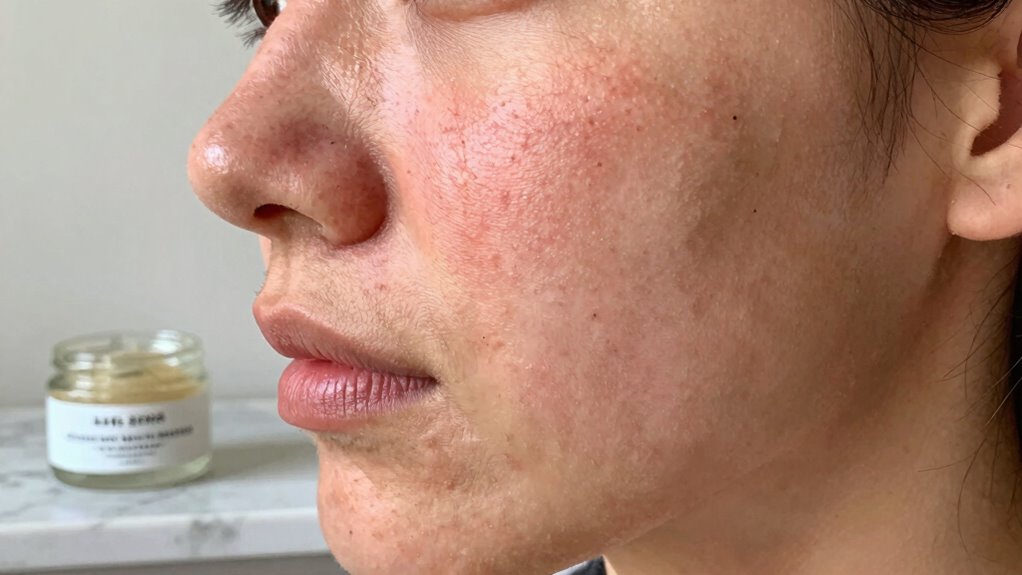
To prevent over-exfoliating, it’s essential to establish a balanced skincare routine that respects your skin’s natural barrier. Limit exfoliation to 2-3 times a week, choosing gentle options. If you opt for chemical peels, follow professional guidance and avoid frequent at-home treatments that can damage your skin. Incorporate natural remedies like oatmeal masks or honey to soothe and support your skin’s health without over-stressing it. Always listen to your skin’s signals—redness, irritation, or peeling indicate you’re overdoing it. Use a mild cleanser and moisturizer to reinforce your skin’s barrier. Remember, over-exfoliation can set back your skincare goals, so consistency and moderation are key. Prioritize protecting your skin’s health, and aim for a balanced routine that promotes renewal without harm.
When to See a Dermatologist for Persistent Skin Issues

If you’ve been diligent with your skincare routine but still notice persistent issues like stubborn acne, ongoing redness, or unexplained irritation, it might be time to consult a dermatologist. Persistent skin issues often require professional evaluation to identify underlying causes and determine effective treatments. A dermatologist consultation can help clarify whether your symptoms stem from over-exfoliation, allergies, or other skin conditions. You should see a specialist if you experience:
If skincare issues persist, consult a dermatologist to uncover underlying causes and find effective solutions.
- Sudden worsening or new breakouts
- Skin that remains inflamed despite consistent care
- Unusual discoloration or dark spots
- Persistent dryness, flaking, or pain that doesn’t improve
Addressing these concerns promptly can prevent further damage. Don’t hesitate to seek professional advice when over-the-counter solutions aren’t enough to resolve your persistent skin issues.
Frequently Asked Questions
Can Over-Exfoliation Cause Permanent Skin Damage?
Yes, over-exfoliating can cause permanent skin damage. When you exfoliate too much, you compromise your skin barrier, making it more vulnerable to environmental stressors and irritation. Over time, this can lead to long-term damage, including persistent redness, sensitivity, and a weakened skin structure. To avoid this, limit exfoliation and give your skin time to recover, ensuring your skin barrier stays healthy and resilient.
Are Natural or Homemade Exfoliants Safer for Sensitive Skin?
Think of natural or homemade exfoliants as gentle whispers rather than loud shouts—safer for sensitive skin. DIY remedies often use simple ingredients like honey or oats, which soothe and nurture without harsh chemicals. Store-bought options can be effective but sometimes contain additives that might irritate. You strike a balance by choosing gentle, natural ingredients and patch-testing first, allowing your skin’s delicate rhythm to stay in harmony.
How Do I Tell if My Exfoliant Is Too Harsh?
You can tell if your exfoliant is too harsh by watching for sensitivity signs like redness, burning, or irritation after use. If you notice ingredient reactions such as excessive dryness or peeling, it’s a sign your skin isn’t tolerating it well. Reduce usage frequency, switch to gentler ingredients, and always patch-test new products. Listening to your skin’s responses helps prevent over-exfoliating and maintains a healthy, balanced complexion.
Is It Possible to Over-Exfoliate With Chemical Peels?
Yes, you can over-exfoliate with chemical peels if you’re not careful. Pushing too hard or using them too often risks damaging your skin, especially if you have sensitive skin. Chemical peel risks include redness, irritation, and even scarring. To stay safe, always follow professional guidance and avoid overdoing it—your skin needs time to heal and reset. Over-exfoliation can backfire, so treat your skin with gentle care.
What Ingredients Help Repair Over-Exfoliated Skin?
To repair over-exfoliated skin, you should look for gentle ingredients and soothing remedies. Ingredients like aloe vera, chamomile, and oat extract calm irritation and reduce redness. Incorporate moisturizers with ceramides and hyaluronic acid to restore your skin’s barrier and hydration. Avoid harsh chemicals, and give your skin time to heal. Using these gentle, soothing remedies helps repair and rebuild your skin’s health after over-exfoliating.
Conclusion
If you notice persistent redness or irritation after over-exfoliating, it’s time to give your skin a break and focus on healing. For example, a friend once ignored her skin’s warning signs and ended up with a damaged barrier that took months to repair. Remember, gentle routines and listening to your skin are key. Prioritize recovery over quick fixes, and you’ll restore your skin’s health and glow in no time.
Fall Picks
fall essentials
As an affiliate, we earn on qualifying purchases.