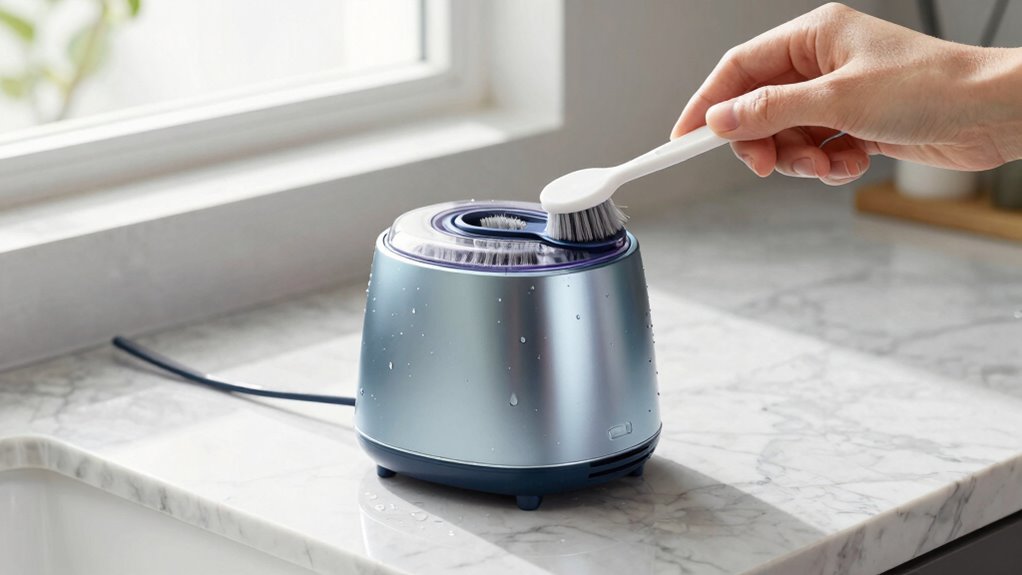

Automatic brush cleaners can save you a lot of time and effort, making your routine more efficient. However, if you use them incorrectly, they can damage your brushes—especially if you opt for harsh cycles on delicate natural bristles or over-clean too often. Using the right settings and understanding your brush material is key to preserving their quality. Want to learn how to avoid damage and get the most out of your cleaner? Keep going for helpful tips.

Get beauty and skincare favorites delivered free with Prime
- Fast, free delivery on millions of items
- Prime Video, Amazon Music and more included
- Member-only deals all year
Key Takeaways
- Incorrect settings or overly aggressive cycles can weaken or damage delicate natural bristles.
- Using high-intensity cycles on soft or sensitive brushes may cause fraying or deformation.
- Over-cleaning or cleaning too frequently can lead to bristle wear and early shedding.
- Not selecting eco-friendly or appropriate cleaning products can compromise brush longevity.
- Proper maintenance and understanding of brush material optimize cleaning without causing damage.
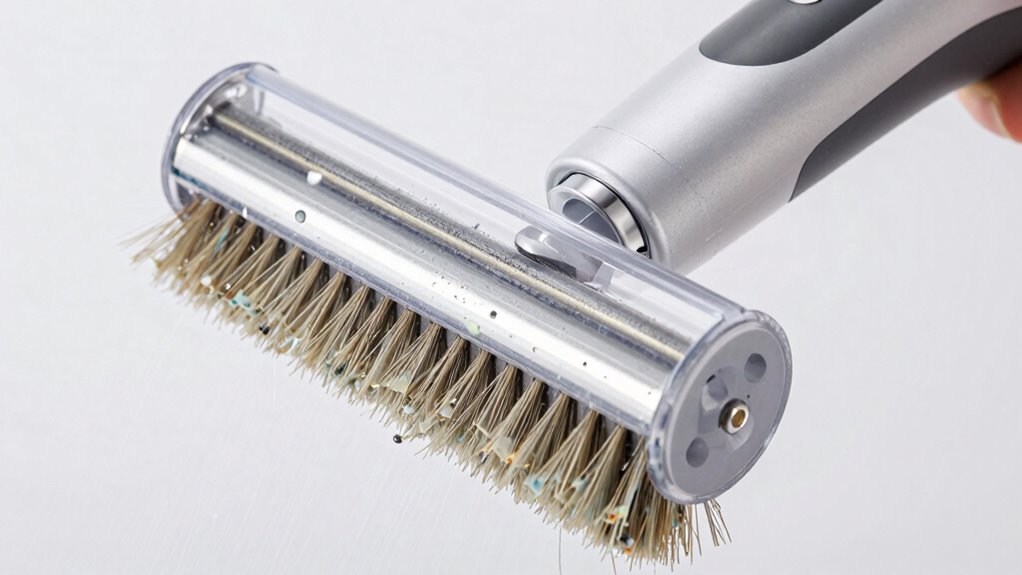
Automatic brush cleaners can save you considerable time and effort, making your cleaning routine more efficient. Instead of manually scrubbing your brushes after every use, these devices handle the task quickly, freeing up your schedule for other priorities. However, even though they seem like a perfect solution, using them improperly can cause damage to your brushes over time. Understanding how brush material and cleaning frequency impact your brushes’ longevity is vital to getting the most benefit from automatic cleaners.
The type of brush material plays a vital role in how well your brushes respond to automatic cleaning. For example, natural bristles like boar or sable are softer and more delicate, making them susceptible to wear or fraying if subjected to aggressive cleaning cycles or harsh detergents. Synthetic brushes, especially those made from nylon or polyester, tend to be more durable and can generally withstand more thorough cleaning processes. Knowing your brush material helps you select the appropriate cleaning settings on your device, reducing the risk of damage. Using a high-intensity cycle on a gentle brush material can lead to breakage or deformation, compromising the brush’s performance.
Cleaning frequency also matters greatly. Many people think that more frequent cleaning always equals better hygiene, but overdoing it can be harmful. If you run your brushes through an automatic cleaner after every single use, especially with aggressive cycles, you may weaken the bristles prematurely. This can cause them to shed or lose their shape earlier than expected. Conversely, infrequent cleaning may allow makeup, dirt, and oils to build up, affecting your skin health and the brush’s effectiveness. Striking a balance is key; typically, cleaning your brushes once a week or as per the manufacturer’s recommendations ensures they stay in good condition without risking damage. Adjust the cleaning cycle based on how often you use the brushes and the type of product applied. Proper brush maintenance also extends the lifespan of your tools and maintains their performance over time. Additionally, understanding the importance of biodiversity in the environment can encourage more sustainable choices when selecting cleaning products, such as eco-friendly detergents. Using the right cleaning techniques can also help preserve the integrity of your brushes and keep them in optimal shape longer.
As an affiliate, we earn on qualifying purchases.
Frequently Asked Questions
Are Automatic Brush Cleaners Suitable for All Types of Brushes?
Automatic brush cleaners aren’t suitable for all types of brushes. You need to take into account the brush material and cleaner compatibility before using one. For example, delicate brushes with natural bristles or specialty coatings may get damaged if the cleaner isn’t compatible. Always check the manufacturer’s instructions and make sure your brushes’ materials can withstand the cleaning process. Otherwise, you risk damaging your brushes and reducing their lifespan.
How Often Should I Clean My Brushes With an Automatic Cleaner?
You should clean your brushes with an automatic cleaner after every few uses—typically once a week—to maximize brush longevity and maintain performance. Imagine your brushes as delicate tools that need gentle, consistent care to stay in top shape. Over-cleaning can cause damage, while infrequent cleaning leads to buildup. Find a balance with regular cleaning frequency, and your brushes will serve you well, lasting longer and performing better each time.
Can Automatic Cleaners Remove All Types of Paint From Brushes?
Automatic cleaners can’t remove all types of paint from brushes, as their effectiveness depends on paint removal and cleaner compatibility. Oil-based paints may require specific solvents, while water-based paints often clean easily with compatible water-based cleaners. You should always check the cleaner’s instructions to verify it suits your paint type. Using incompatible cleaners can damage your brushes or leave residual paint, so choose the right cleaner for maximum paint removal.
Do Automatic Brush Cleaners Require Special Maintenance?
Yes, automatic brush cleaners do require special maintenance to guarantee brush longevity. You should regularly check and clean the machine, especially the brushes and filters, to prevent buildup that can damage your brushes over time. Adjust cleaning frequency based on usage—over-cleaning can harm bristles, while under-cleaning can cause paint residue buildup. Proper maintenance helps you get the most out of your cleaner and keeps your brushes in good shape longer.
Are There Safety Precautions When Using Automatic Brush Cleaners?
Yes, there are safety precautions you should follow when using automatic brush cleaners. Prioritize user safety by reading the manufacturer’s instructions carefully. Make sure the device is unplugged before cleaning or maintenance to avoid electrical hazards. Keep liquids away from electrical parts, and never operate the cleaner with damaged cords or plugs. By following these steps, you minimize risks related to electrical hazards and protect yourself while maintaining your brushes efficiently.
Conclusion
Remember, rushing with automatic cleaners can cause costly, crinkled, or cracked brushes. To keep your tools in tip-top shape, handle them carefully, follow instructions closely, and avoid overusing these tempting time-savers. With gentle gestures and mindful methods, you’ll maximize their benefits without marring their makeup-magnifying magic. Mastering this balance boosts your beauty routine, saving time while safeguarding your brushes — a small step for you, a significant safeguard for your supplies.
Halloween Picks
halloween
As an affiliate, we earn on qualifying purchases.