TL;DR

Get beauty and skincare favorites delivered free with Prime
- Fast, free delivery on millions of items
- Prime Video, Amazon Music and more included
- Member-only deals all year
A Marie Claire beauty report showcases 16 curtain-bang variations, from soft, blended fringes to curls, pixie styles and full bangs. Hairstylists Nicolas Flores and Halley Brisker say the angled shape can frame the face and adapt to different hair textures, but the report does not establish how widespread the trend is or whether it suits everyone.
Marie Claire’s curtain-bangs report presents 16 ways to wear the angled fringe, from soft, blended layers to curly ringlets, micro bangs and a full fringe. The guide draws on comments from celebrity hairstylists Nicolas Flores and Halley Brisker, who describe the cut as adaptable across hair lengths and textures; its wide range of styling options is the main reason the report says it remains appealing.
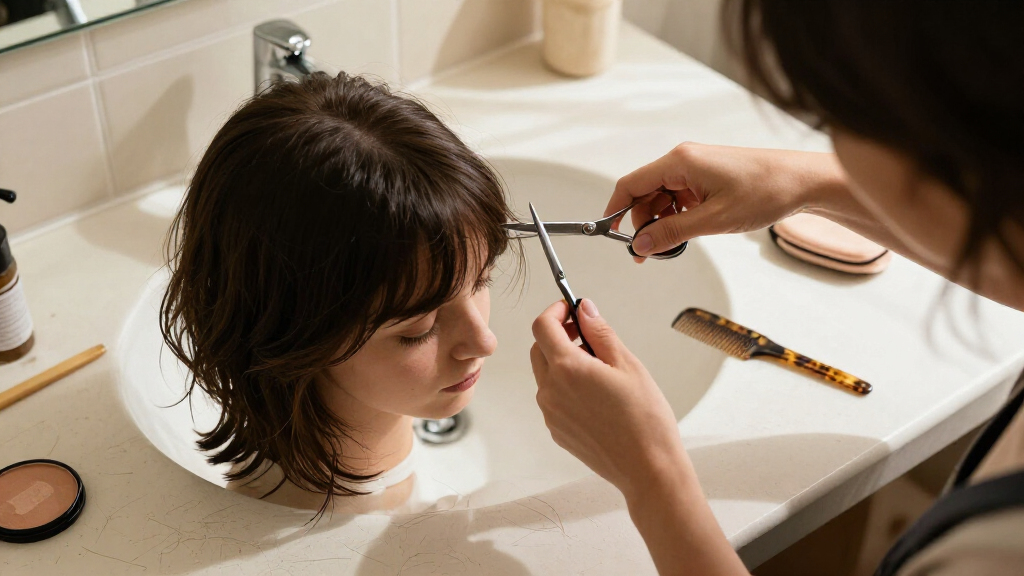
Curtain bangs differ from a straight-across fringe through their graduated shape: the hair is shorter around the center of the forehead and gets longer toward the sides. That framing effect is what gives the style its “curtain” appearance. Flores says the cut can change a look without requiring a dramatic haircut, and says it can bring attention to the eyes and cheekbones while adding movement.
The report’s 16 examples range from short, eye-skimming bangs to long, outward-flicked fringe inspired by Farrah Fawcett. Other options include side-swept styling, a full fringe with longer sides, pixie-cut bangs, micro curtain bangs and fringe paired with twists or braids. For curly hair, the guide suggests defining the front pieces as ringlets or keeping them wispy, with curl products that leave movement in the hair.
Flores says he is seeing more soft bangs blended into longer face-framing layers, while Brisker points to shorter versions worn closer to the eyes. Brisker also says he would like to see longer, retro-inspired curtain bangs return. These are the stylists’ observations and preferences as reported by Marie Claire, rather than measured evidence of a wider trend. The guide also offers styling ideas such as a round-brush blowout or a wet look created with gel.
One Fringe, Many Hair Textures
The range of examples gives readers a way to discuss a fringe with a stylist without treating “curtain bangs” as one fixed cut. A person considering a change can bring a reference for length, fullness, parting and texture, then ask how those features might work with their own hair. The report’s central point is flexibility: the style can be adapted rather than limited to a single celebrity look.
That flexibility does not mean every variation will work equally well for every person. Brisker says the bangs can soften and enhance almost anybody’s face when styled correctly, but that is a stylist’s assessment, not a guarantee. The source does not provide a formal survey, sales data or evidence that the style is currently growing in popularity. For readers, the practical takeaway is to treat the images as inspiration for a consultation, not as a promise of a particular result.
Products Worth Considering

Philips Sonicare 5950 Rechargeable Electric Toothbrush with 2 Brush Heads, Navy

Oral-B iO Series 3 Rechargeable Electric Toothbrush for Adults, Black, with 2 Brush Heads and Travel Case

Oral-B iO Series 5 Rechargeable Electric Toothbrush with Travel Case and 3 Brush Heads, Black
As an affiliate, we earn on qualifying purchases.
How the Curtain Shape Works
The report links the style’s look to its shorter center and longer sides, which distinguish it from bangs cut evenly across the forehead. Those longer side pieces can connect with face-framing layers, allowing the fringe to blend into the rest of the haircut. The overall effect depends on the cut and styling: it may appear soft and wispy, full and voluminous, or swept away from the face.
Marie Claire names Sabrina Carpenter, Dakota Johnson and Zendaya among celebrities associated with curtain bangs, using celebrity images as references for the different shapes. It also describes side-swept styling as a way to evoke a Y2K look and includes two-tone bangs, wet-look styling and blowouts among its examples. The report provides visual inspiration and stylist comments, but no publication date in the supplied material, detailed styling tests or independent data on how often the cut is requested.
“Curtain bangs can be so appealing because they create an immediate transformation without requiring a dramatic haircut.”
— Nicolas Flores, celebrity hairstylist, as quoted by Marie Claire
Trend Claims Need More Evidence
The supplied report does not state its publication date, identify a data source for trend claims or quantify demand for curtain bangs. Statements that the style is “everywhere,” that micro bangs are reigning in 2026, and that certain looks are coming back are presented as editorial or stylist observations, not as results from a survey or industry analysis.
It is also not clear how the 16 pictured styles were selected or how a particular cut would behave on an individual’s hair. The source gives general guidance, not personalized recommendations. Readers should discuss desired length and upkeep with a stylist, especially when considering a significant change to their fringe.
Bring References to a Stylist
The report does not announce a scheduled follow-up or identify a next industry milestone. Its practical next step for readers is to choose a reference image and discuss the center length, side pieces and blending with a hairstylist before cutting. That conversation can clarify how the style may sit with a person’s hair texture, cut and preferred styling routine.
Readers can also decide whether they want a look that requires a blowout or one that works with natural curls, twists or braids. The report’s examples suggest several approaches, but it does not specify how much daily maintenance each requires or how often a fringe might need trimming. Those details remain matters to confirm with the stylist doing the cut.
Key Questions
What are curtain bangs?
Curtain bangs are shorter in the center and longer at the sides, creating an angled fringe that frames the face rather than a straight line across the forehead.
Can curtain bangs work with curly hair?
The Marie Claire guide includes ringlet and wispy curly versions and suggests using curl-defining products for shape and movement. The exact cut depends on the person’s curl pattern and should be discussed with a stylist.
What styles does the report feature?
Its 16 examples include side-swept, blended, full, micro, pixie and retro-length bangs, as well as fringe styled with curls, twists, a wet finish or a blowout.
Does the report prove curtain bangs are trending?
No. The article includes stylist observations and celebrity examples, but the supplied material gives no survey, sales figures or other data measuring the trend’s popularity.
Source: marieclaire.com