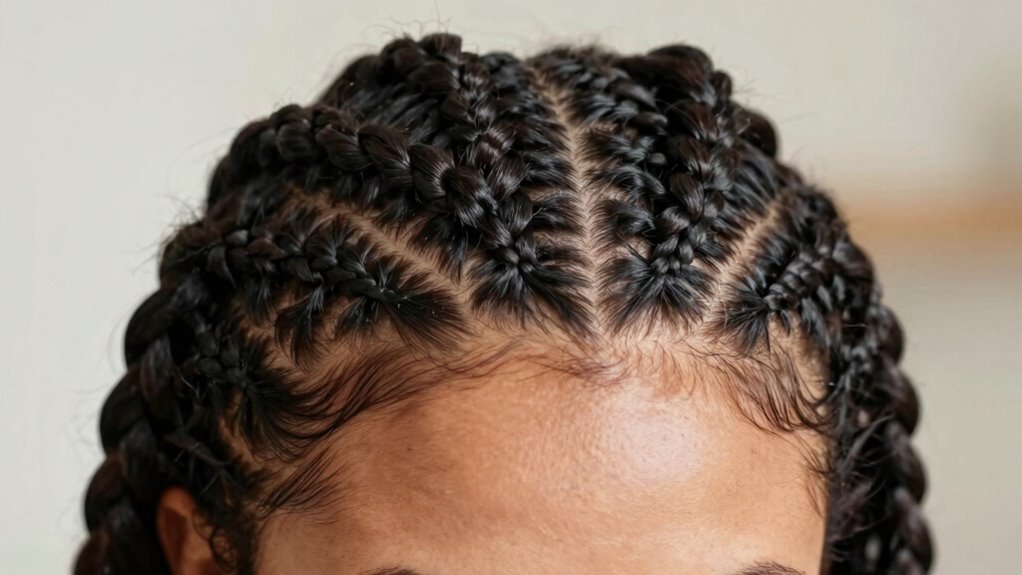
Choosing gentle protective styles like loose braids, twists, or buns helps prevent damage to your hairline. Avoid styles that are too tight or pull on your edges, and be careful during installation and removal. Regularly moisturize and handle your edges gently to keep them healthy. By avoiding common mistakes like over-tightening and excessive manipulation, you protect your hairline long-term. Keep going to discover effective tips for maintaining healthy edges while rocking protective styles.
Key Takeaways
- Choose loose, not tightly pulled styles like soft braids, twists, or buns to minimize tension on edges.
- Use gentle installation and removal techniques to prevent pulling and stress on fragile hairlines.
- Incorporate scalp care routines with moisturizing products and regular massages to support healthy edges.
- Limit the duration of protective styles and give your edges regular breaks to prevent long-term damage.
- Avoid styles that cause scalp irritation or excessive tension, opting for lightweight, nourishing protective options.

Diane 2.5” Curved Black Bobby Pins, Large Flat Hair Pins with Ball Tips for Long & Thick Hair, Updos, Flyaways, Protective Hairstyles & Doobie Wraps, Hair Accessories for Women, 40 Count
CURVED BLACK BOBBY PINS: These black hair pins feature a curved design that hugs the scalp for a…
As an affiliate, we earn on qualifying purchases.
As an affiliate, we earn on qualifying purchases.
How Protective Styles Can Damage Your Edges : What You Need to Know

While protective hairstyles are designed to shield your hair and promote growth, they can sometimes cause damage to your edges if not managed properly. Excessive hair tension from tight styles can pull on your fragile hairline, leading to thinning or breakage. This constant pulling stresses the hair follicles, weakening them over time. Additionally, tight styles can cause scalp irritation, resulting in redness, soreness, and even hair loss if left untreated. When your scalp becomes irritated, it may also become inflamed, further hindering hair growth. Using essential oils for scalp health such as rosemary or lavender can help soothe irritation and promote a healthy scalp environment. Incorporating healthy hair practices can also minimize damage to your edges. Properly managing tension and paying attention to your scalp’s health helps protect your edges from unnecessary damage. Being aware of scalp inflammation is crucial, as chronic irritation can lead to more significant hair loss issues over time. Recognizing signs of hair follicle stress early can prevent long-term damage to your hairline.

Shea Moisture Strengthening Scalp & Hair Oil Rosemary & Vegan Collagen To Protect The Scalp And Strengthen Hair With ScalpBoost Technology For A Cooling Sensation With ScalpBoost Technology 2 Fl Oz
DAILY DOSE OF SCALP STRENGTH: SheaMoisture Rosemary & Vegan Collagen Strengthening Scalp & Hair Oil locks in hydration…
As an affiliate, we earn on qualifying purchases.
As an affiliate, we earn on qualifying purchases.
Choosing Gentle Protective Styles That Protect Your Hairline

Choosing gentle protective styles is essential for safeguarding your hairline and promoting healthy hair growth. Opt for styles that aren’t too tight or pulling on your edges, such as loose braids, twists, or buns. When selecting protective styles, use gentle hair products that nourish your scalp and reduce tension. Incorporate scalp care routines like regular cleansing, moisturizing, and massaging to keep your scalp healthy and prevent buildup. Proper styling techniques are crucial for maintaining the integrity of your hairline and ensuring long-term hair health. Additionally, understanding how to safely install and remove styles can prevent unnecessary stress on your edges. Avoid styles that cause stress or friction on your hairline, and give your hair a break between protective styles. By choosing styles that prioritize your hair’s health and using gentle products, you support strong growth and minimize damage to your edges. Recognizing the importance of protective styling can help you make informed decisions for your hair care routine. Maintaining a healthy scalp through scalp care routines like cleansing and moisturizing is vital for overall hair health, especially when wearing protective styles. Incorporating high-quality hair products can further enhance scalp health and protect your edges. Your hairline will thank you for prioritizing comfort and care.

Braiding Hair Blonde Braid Hair Extensions for Box Braids Hot Water Setting High Temperature Synthetic Fiber (24#-1Pack)
Professional Braiding Hair, Flame-Retardant Fiber,Light Weight,Soft Touch.
As an affiliate, we earn on qualifying purchases.
As an affiliate, we earn on qualifying purchases.
How to Install and Remove Protective Styles Without Damaging Your Edges
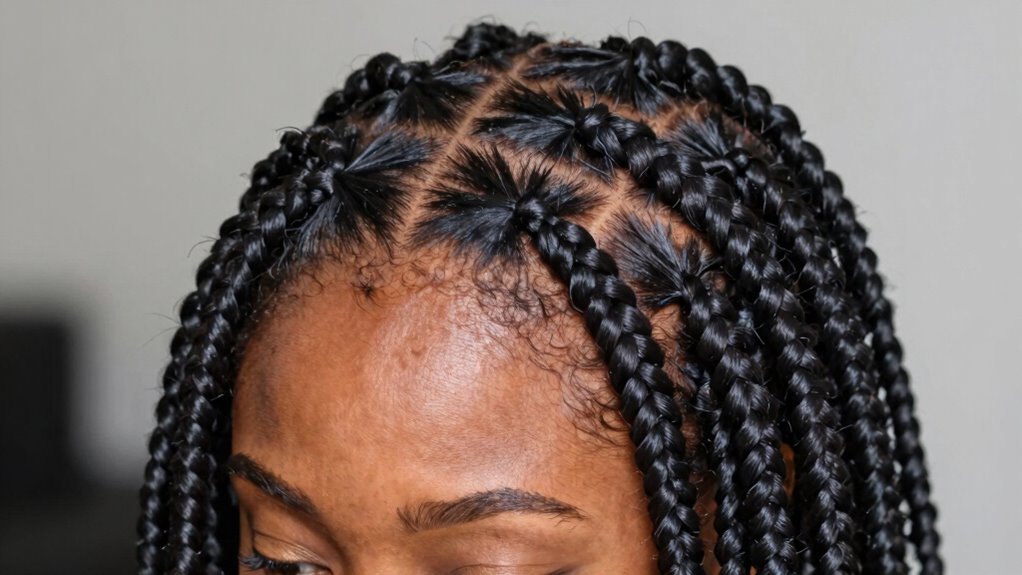
Installing and removing protective styles carefully is key to preventing damage to your edges. To do this, follow a gentle approach that respects your hair care routines and avoids unnecessary tension. When installing styles, avoid pulling too tightly and use soft, non-damaging styling products to reduce friction. During removal, take your time, gently unravel twists or braids, and avoid ripping or pulling on your edges. Properly managing these steps ensures your hair stays healthy and your edges remain intact. Additionally, understanding the importance of proper maintenance schedules can help you implement best practices for maintaining hair health. Incorporating simple, room-by-room solutions into your routine can further support a healthy hair environment and overall hair care consistency. Being mindful of hair health helps prevent long-term damage and promotes hair growth, making protective styling techniques an essential part of your hair care regimen.

ProSuites 3 Pack Head Massager Scalp Comb Resin Scalp Stress Relax Tool for Christmas, Birthday, Mother's Day, Father's Day
Head scalp massage comb: You will receive 2 purple long-handled massage combs and 1 pink arc-shaped five-tooth massage…
As an affiliate, we earn on qualifying purchases.
As an affiliate, we earn on qualifying purchases.
Tips for Keeping Your Edges Healthy During Protective Styling
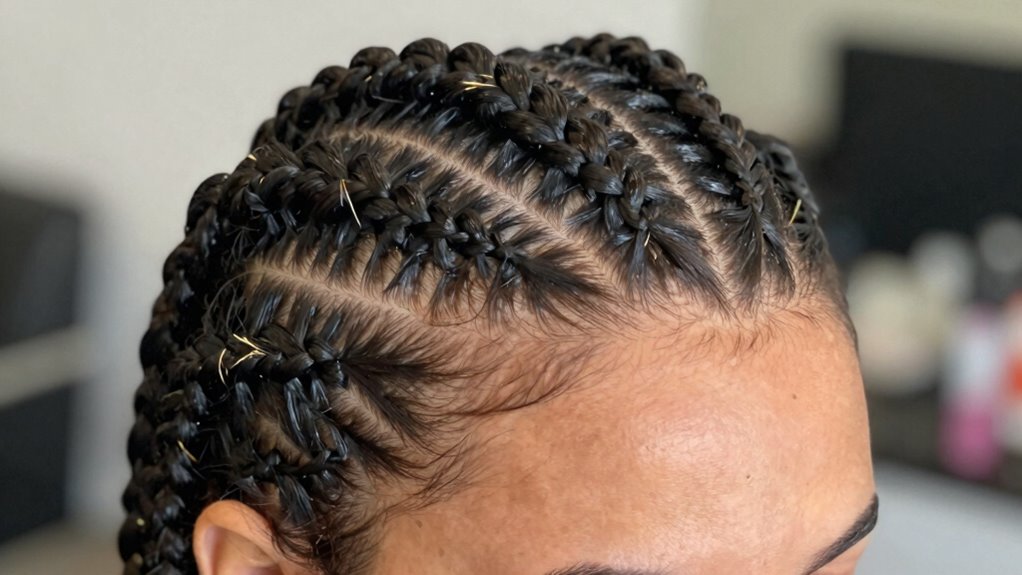
To keep your edges healthy during protective styling, it’s essential to minimize tension and avoid styles that pull or stress your hairline. Proper edge maintenance involves gentle handling and regular moisturizing to prevent breakage. When selecting products, opt for lightweight, nourishing options that won’t weigh down or stiffen your hair. Look for edge controls with natural ingredients and avoid those with harsh alcohols or heavy waxes, which can cause buildup and damage. Applying a light oil or edge serum daily helps keep your edges moisturized and flexible. Avoid overly tight styles, and loosen up your hairline if you notice any pulling or discomfort. Additionally, understanding the importance of Free Floating in natural hair care can help you manage your edges more effectively by promoting healthy growth without damaging your scalp. Using proper techniques for styling and detangling also minimizes stress on your edges and supports overall hair health. Incorporating gentle handling practices can further reduce breakage and encourage stronger growth. Being mindful of protective styling methods that reduce tension is crucial for maintaining healthy edges. Regularly assessing your hair’s posture and tension can help prevent unnecessary stress on your hairline, supporting overall health. Consistent care and careful product selection are key to maintaining healthy edges throughout your protective styling routine.
Common Mistakes That Can Harm Your Edges and How to Avoid Them
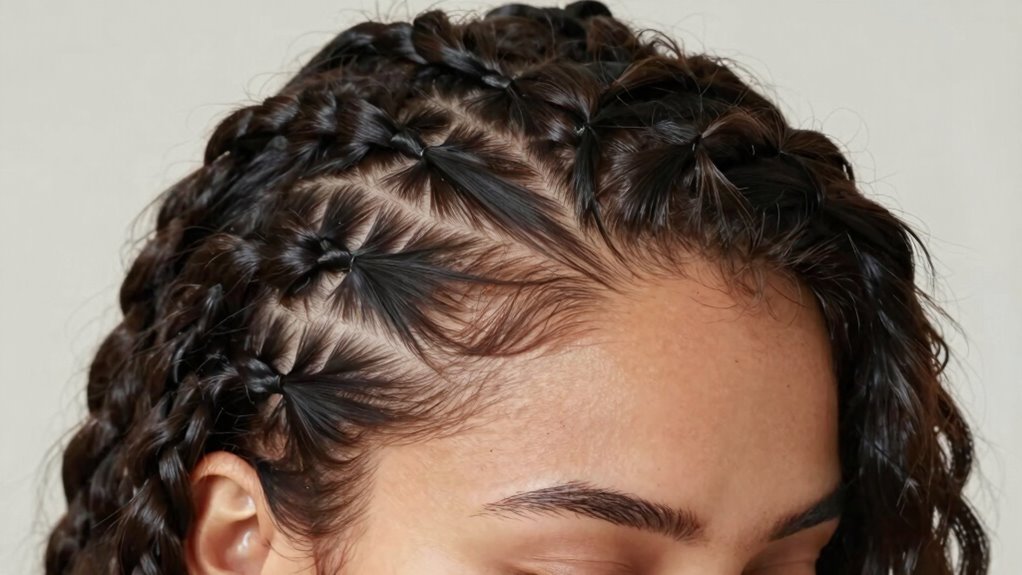
While maintaining healthy edges during protective styles is important, many people unknowingly make mistakes that can cause long-term damage. Over-tightening hairstyles, for example, can lead to tension and breakage, harming your edge maintenance. Using styles that don’t allow for styling flexibility may cause unnecessary stress on your hairline. Additionally, neglecting to give your edges a break can weaken them over time. Another mistake is frequent manipulation, which irritates the scalp and leads to thinning. To avoid these issues, focus on gentle styling techniques. Be mindful of tension, avoid over-compression, and prioritize giving your edges time to recover. Remember, healthy edges require care, not constant pulling or tight styles that could cause lasting damage. Proper hair protection techniques can help maintain your edges and overall hair health. Incorporating gentle styling methods that minimize strain can further protect your hairline from damage. Additionally, choosing protective styles that don’t cause excessive tension is essential for long-term hairline health.
Frequently Asked Questions
Are There Specific Hair Types That Are More Prone to Damage From Protective Styles?
Yes, some hair types are more prone to damage from protective styles, especially those with high porosity or tighter curl patterns. Hair with high porosity absorbs moisture quickly but also loses it easily, making it vulnerable to breakage. Tighter curls tend to have more fragile strands, so you should choose gentle styles and avoid tight tension. Understanding your hair porosity and curl pattern helps you select protective styles that prevent damage and protect your hairline.
How Often Should I Give My Edges a Break From Protective Styles?
You should give your edges a break from protective styling every 2-4 weeks to prevent damage. During this time, focus on edge maintenance by gently massaging your scalp and keeping your hair moisturized. Rotating protective styles helps reduce tension on your hairline and promotes healthy growth. Listening to your hair’s needs and avoiding tight styles will keep your edges strong and healthy over time.
Can Protective Styles Be Customized to Minimize Tension on the Hairline?
They say “prevention is better than cure,” and customizing protective styles can definitely help. You can choose options like looser braids or larger twists, which reduce tension on your hairline. Opt for customization options that prioritize gentle placement and avoid pulling tight. By doing so, you’re actively reducing tension, which helps protect your edges and keeps your hairline healthy over time.
What Products Are Best for Maintaining Healthy Edges During Protective Styling?
You should use a lightweight edge control to keep your edges smooth without adding too much tension. Opt for products with natural ingredients like castor oil or shea butter to nourish your scalp and prevent dryness. Regularly massage your scalp to promote circulation, and keep your edges moisturized with a gentle, hydrating spray. These steps help maintain healthy edges during protective styles and prevent damage over time.
Are There Signs That My Protective Style Is Damaging My Hairline?
Yes, your protective style might be damaging your hairline if you notice hairline irritation, redness, or soreness. You may also see increased shedding or a receding hairline, which indicates protective style impact. To prevent damage, avoid styles that pull tightly, give your hairline regular breaks, and use gentle products. Keep an eye on these signs, and adjust your protective styles accordingly to maintain healthy edges.
Conclusion
Remember, your edges are the foundation of your beauty—treat them with kindness and patience. Like a delicate garden, they flourish when nurtured, not forced. By choosing gentle styles and caring for your hairline, you’re investing in your hair’s future. Don’t let shortcuts turn your crown into a battlefield. Instead, embrace mindful protective styling, and watch your edges thrive—proof that true strength lies in gentle resilience. Your hair’s health is your crown; wear it with love.