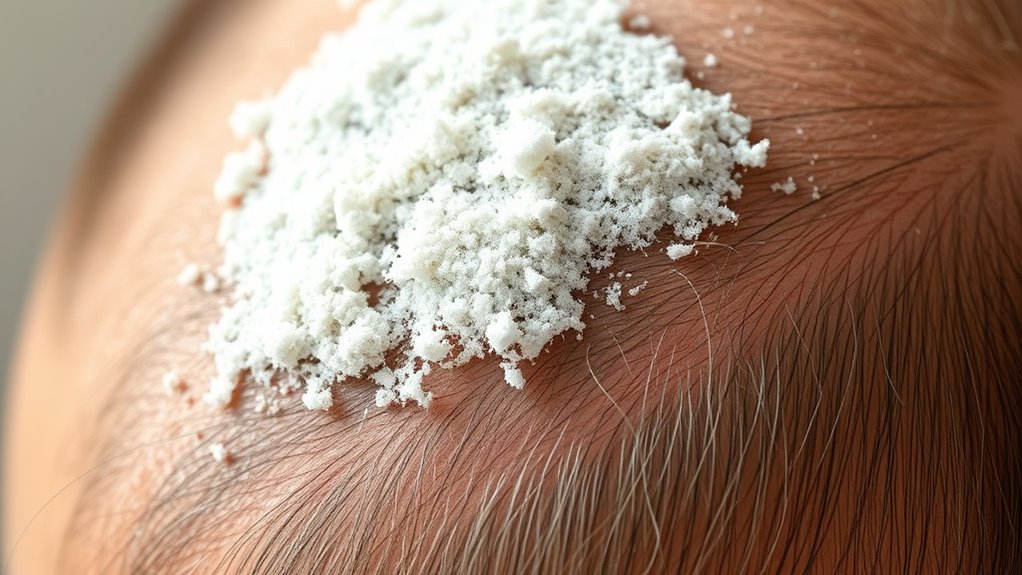
To tell dandruff from dry scalp, check the flakes’ appearance—greasy, larger flakes point to dandruff, usually accompanied by redness and itchiness; dry scalp flakes are smaller, dry, and fall off easily without residue. Dandruff is caused by excess oil and yeast, while dry scalp results from dehydration and environmental factors. Knowing these differences helps you choose the right treatment. Keep exploring to discover the best solutions for each condition.

Get beauty and skincare favorites delivered free — and shop member deals
- Fast, free delivery on millions of items
- Access to Prime Big Deal Days deals on October 6–7
- Prime Video, Amazon Music and more included
Key Takeaways
- Dandruff flakes are greasy, larger, and often yellowish, accompanied by scalp redness and itchiness, while dry scalp flakes are small, dry, and fall easily.
- Dandruff results from excess scalp oil and yeast overgrowth; dry scalp is caused by environmental factors and moisture loss.
- Use medicated shampoos with zinc pyrithione or ketoconazole for dandruff; hydrate with moisturizing shampoos and oils for dry scalp.
- Dandruff flakes are oily and greasy, whereas dry scalp flakes are dry, tiny, and tend to shed without residue.
- Proper identification guides targeted treatment, ensuring healthier scalp and hair, whether managing oiliness or dryness.
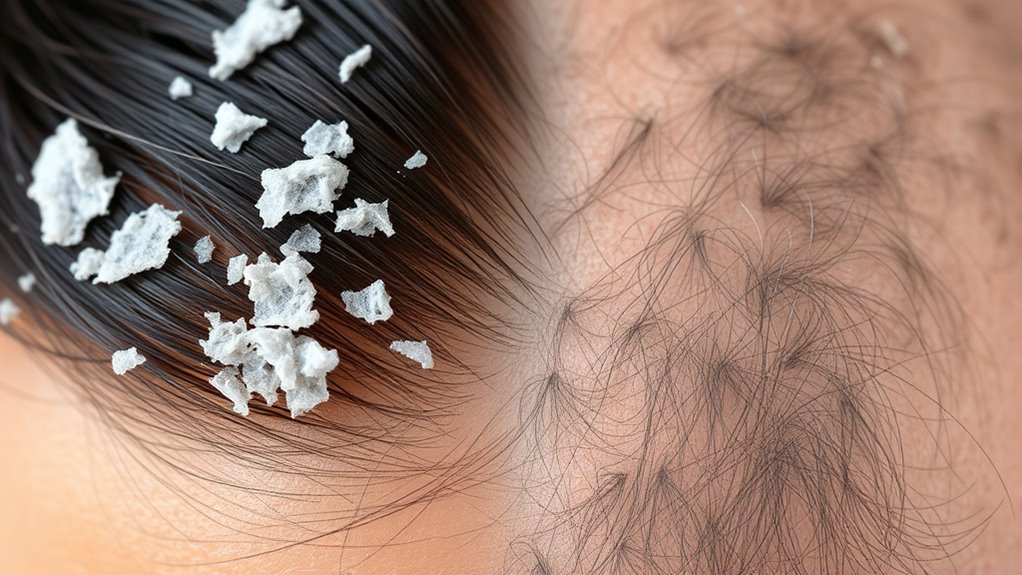
Many people often confuse dandruff with a dry scalp, but they are actually different conditions that require distinct treatments. The key difference lies in the nature of the scalp flaking. With dandruff, the flakes are usually oily, larger, and greasy, often accompanied by itchy scalp and sometimes redness. A dry scalp, on the other hand, tends to produce smaller, dry, and flaky skin that can feel tight and rough without the excess oil associated with dandruff.
Understanding dandruff causes can help you better target your treatment. Dandruff is primarily driven by factors like seborrheic dermatitis, which is an inflammatory condition that causes scalp oiliness, irritation, and flaking. It can also result from Malassezia yeast overgrowth, which feeds on scalp oils and triggers an inflammatory response. Other causes include sensitivity to hair care products, stress, hormonal changes, and certain skin conditions like psoriasis or eczema. The presence of excess scalp oil and the buildup of dead skin cells contribute to the formation of dandruff flakes that cling to hair and shoulders.
In contrast, dry scalp occurs when your scalp lacks sufficient moisture. This can happen due to environmental factors like cold or dry weather, frequent washing with harsh shampoos, or using hot water during hair cleansing. Certain skin conditions, such as eczema or psoriasis, can also lead to a dry, flaky scalp. When your scalp is dry, it produces smaller, less oily flakes that often feel itchy and tight. Unlike dandruff, dry scalp flakes are more likely to fall off easily without the greasy residue.
If you’re noticing scalp flaking that’s oily and persistent, it’s probably dandruff caused by an overproduction of scalp oils and yeast activity. You might see yellowish or greasy flakes and experience scalp redness or irritation. Treatments should include medicated shampoos with ingredients like zinc pyrithione, selenium sulfide, or ketoconazole, which target the underlying causes like yeast overgrowth and inflammation. Regular washing with an anti-dandruff shampoo can help control the flakes and soothe your scalp.
On the other hand, if your flakes are dry, tiny, and tend to fall off easily without oiliness, your dry scalp needs moisture and gentle care. Use hydrating shampoos and conditioners designed for dry scalp, and avoid harsh soaps or hot water. Applying natural oils, like coconut or olive oil, can also help restore moisture. Keeping your scalp hydrated and protected from environmental stressors will reduce dryness and flaking.
Recognizing whether you’re dealing with dandruff or a dry scalp is essential for proper treatment. While both conditions cause scalp flaking, their causes and remedies differ markedly. Paying close attention to the type of flakes, scalp condition, and other symptoms will guide you toward effective solutions and healthier hair and scalp. Additionally, understanding tuning principles can improve overall scalp health by optimizing product use and scalp care routines.
medicated dandruff shampoo with zinc pyrithione
As an affiliate, we earn on qualifying purchases.
As an affiliate, we earn on qualifying purchases.
Frequently Asked Questions
Can Dandruff and Dry Scalp Occur Simultaneously?
Yes, dandruff and dry scalp can occur simultaneously. You might notice co-occurring symptoms like flaking, itching, and dryness, which can make differential diagnosis tricky. To determine whether you have dandruff, dry scalp, or both, consider factors like scalp texture and response to treatments. Correct identification helps you choose effective remedies, such as medicated shampoos for dandruff or moisturizing products for dry scalp, ensuring better relief.
Are There Specific Hair Products That Worsen Dandruff or Dry Scalp?
Certain hair product ingredients can worsen dandruff or dry scalp, especially if you have scalp sensitivities. Avoid products with harsh chemicals like alcohol, fragrances, and sulfates, which can irritate your scalp. Instead, opt for gentle, hypoallergenic shampoos with soothing ingredients like tea tree oil or aloe vera. Always check labels and test new products on a small area first to prevent irritation and worsening symptoms.
How Long Does It Typically Take to See Improvement After Treatment?
While patience is key, your treatment duration varies, and symptom improvement can be seen within a week for some, while others might need several weeks. You typically notice a reduction in flakes, itchiness, or dryness as you continue your regimen. Consistency matters; sticking with prescribed treatments guarantees faster results. If symptoms persist beyond a few weeks, consider consulting a dermatologist for tailored advice.
Can Diet Influence Dandruff or Dry Scalp Conditions?
Yes, your diet impact can influence dandruff and dry scalp conditions. Nutritional deficiencies, like lack of zinc, omega-3 fatty acids, or B vitamins, can worsen these scalp issues. Eating a balanced diet rich in healthy fats, vitamins, and minerals boosts scalp health and may reduce symptoms. Avoiding excessive sugar and processed foods can also help prevent flare-ups. Focus on nutrient-dense foods to support your scalp’s overall health and minimize discomfort.
Are Natural Remedies Effective for Both Dandruff and Dry Scalp?
Yes, natural remedies can be effective for both dandruff and dry scalp. Herbal remedies like tea tree oil and aloe vera help combat dandruff by reducing fungus and irritation. Moisturizing treatments, such as coconut oil or argan oil, hydrate dry scalp, easing flakiness and discomfort. Regular use can improve scalp health, but consistency matters. Always patch-test new remedies to avoid allergic reactions and see how your scalp responds.
Conclusion
Now that you know the key differences between dandruff and dry scalp, the question remains: which one are you dealing with? Your next move could transform your scalp health forever—if you choose wisely. Will you recognize the subtle signs and respond in time? Or will confusion keep you trapped in a cycle of discomfort? The choice is yours, and the answer is closer than you think—waiting to be uncovered. Are you ready to finally solve the mystery?
Fall Picks
fall essentials
As an affiliate, we earn on qualifying purchases.