
To figure out if your hair needs protein or moisture, check its elasticity. If your hair stretches easily and bounces back, it likely needs strengthening with protein. If it’s stiff, brittle, or breaks when you stretch it, your hair probably needs hydration. Limp, mushy hair suggests excess moisture. Pay attention to how your hair responds after treatments; this will guide your next steps. Keep exploring to learn how to balance your hair care for healthy, vibrant hair.
Key Takeaways
- If your hair is limp, stretchy, and bounces back easily, it likely needs protein strengthening.
- Brittle, stiff, or snapping hair suggests dehydration; focus on moisturizing treatments.
- Hair that feels soft but appears dull or breaks easily may need a balance of both protein and moisture.
- Overly elastic hair that stretches without returning to normal may require protein to improve resilience.
- Hair that resists moisture absorption or feels greasy despite minimal product use may need moisture balancing.
Understanding whether your hair needs protein or moisture is key to maintaining healthy, balanced strands. To figure this out, you need to pay attention to your hair’s porosity and elasticity. Hair porosity refers to how well your hair absorbs and retains moisture, while hair elasticity indicates how flexible and resilient your strands are when stretched. These factors provide clues about what your hair genuinely needs.
If your hair has high porosity, it tends to absorb moisture quickly but also loses it just as fast. You might notice that your hair feels dry, brittle, or looks dull despite regular conditioning. High porosity hair often struggles to maintain moisture, which can lead to breakage. In this case, your hair might benefit more from moisture treatments, like deep conditioning masks that hydrate and seal the cuticle. Conversely, if your hair has low porosity, it resists absorbing products, and you might see buildup or a greasy scalp. Low porosity strands typically need lighter, more penetrating products that can open the cuticle slightly, but they generally don’t require as much moisture. Understanding hair porosity can help you choose the right products for your specific needs.
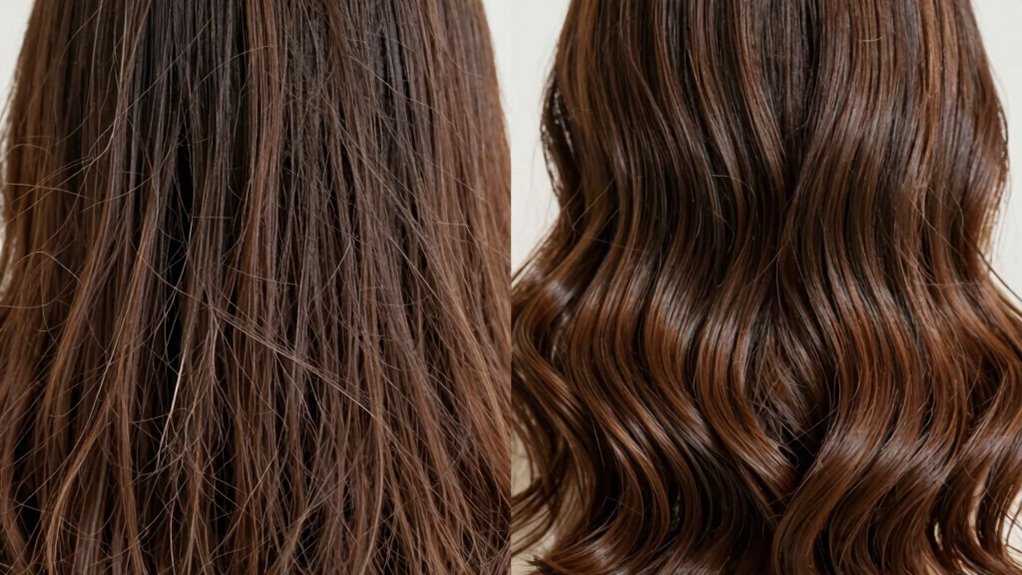
Now, hair elasticity plays a crucial role in your decision-making process. You can test your elasticity by gently stretching a strand of damp hair. If it stretches easily and springs back without breaking, your hair is in good shape and probably balanced between protein and moisture. If your hair stretches and then feels limp or doesn’t bounce back, it may be lacking protein, which provides strength and structure. On the other hand, if your hair feels stiff, brittle, or snaps when stretched, it’s likely dehydrated or over-processed, signaling a need for moisture. Additionally, understanding hair elasticity can help you identify the best treatments to restore balance and resilience. These signs are your cues. When your hair feels limp and stretches easily without snapping, it’s a sign you need to strengthen it with protein treatments. Conversely, if your hair feels stiff and resists stretching, it’s time to hydrate with moisturizing products. The key is to strike a balance—overloading on protein can make hair feel stiff and brittle, while excess moisture can cause it to become weak and mushy. Pay close attention to how your strands respond after different treatments, and adjust accordingly.
In the end, understanding your hair’s porosity and elasticity helps you tailor your hair care routine effectively. By listening to what your hair tells you, you can decide whether to boost its protein or hydration levels, ensuring your strands stay healthy, resilient, and beautiful.
As an affiliate, we earn on qualifying purchases.
Frequently Asked Questions
Can Hair Needs Change Over Time or After Treatments?
Yes, your hair needs can change over time or after treatments. You might notice decreased hair elasticity or difficulty absorbing products, indicating a need for protein. Conversely, if your hair feels heavy or greasy, moisture might be lacking. Regularly assess your hair’s condition, and adjust your routine accordingly. Staying attentive helps you maintain healthy hair, ensuring you provide the right balance of protein or moisture as your hair’s needs evolve.
How Often Should I Check My Hair’s Protein and Moisture Levels?
Checking your hair’s protein and moisture levels is like tuning a musical instrument—you should do it regularly. Aim for a hair analysis every 4-6 weeks to monitor your strands’ needs. This helps you adjust your product selection appropriately, whether you need more protein or moisture. Regular checks guarantee your hair stays balanced, preventing damage and maintaining health, so listen to your hair’s signals and tweak your routine accordingly.
Do Hair Porosity Levels Affect Protein and Moisture Requirements?
Yes, your hair porosity levels greatly affect your protein and moisture needs. High porosity hair absorbs products quickly but loses moisture fast, so it requires more moisture and gentle protein treatments to strengthen. Low porosity hair resists product absorption, needing lighter, more frequent moisture applications. Understanding your hair’s porosity helps you tailor treatments, ensuring proper product absorption and maintaining a healthy balance of protein and moisture for ideal hair health.
Are There Specific Signs of Damage Caused by Excess Protein?
You might notice your hair’s become stiff, brittle, or prone to breakage—classic signs of damage from excess protein overload. Ironically, too much protein causes a moisture imbalance, leaving your strands feeling dry and rough instead of nourished. This damage manifests as decreased softness and elasticity. If you see these signs, it’s time to balance your hair’s needs, reducing protein and increasing moisture to restore health.
Can Diet Influence My Hair’s Need for Protein or Moisture?
Yes, your diet impact your hair’s need for protein or moisture. A balanced, nutritious diet guarantees your hair gets essential nutrients, supporting its strength and hydration. If your diet lacks protein, your hair may become brittle and fragile, signaling a need for more dietary protein. Conversely, poor nutrition can also lead to dry, dull hair, highlighting the importance of maintaining nutritional balance for healthy, well-hydrated hair.
Conclusion
Knowing whether your hair needs protein or moisture is key to maintaining its health. Pay attention to how your hair reacts—if it feels weak or mushy, it’s time for protein; if it’s dry and brittle, moisture is your best bet. Don’t wait until your hair is crying out for help—listen to what it tells you. After all, a little care now can save you from bigger problems down the line. Stay proactive and your hair will thank you!