TL;DR

Get beauty and skincare favorites delivered free with Prime
- Fast, free delivery on millions of items
- Prime Video, Amazon Music and more included
- Member-only deals all year
Who What Wear published an editorial recommending five wardrobe swaps for 2027: micro-V tees for deep-V tees, minimalist flats for black evening heels, boatneck tops for crewnecks, flare jeans for barrel-leg jeans, and fur-trim coats for teddy coats. These are the writer’s personal style preferences, not confirmed predictions that the replaced items will be out of fashion.
Who What Wear has published a fashion report proposing five wardrobe swaps for 2027, including micro-V tees instead of deep-V tees and flare jeans instead of barrel-leg jeans. The recommendations reflect the author’s personal shopping plans and observations of recent street style; they do not establish that the older styles are going out of fashion.
The writer says that, after sorting through her wardrobe basics, she plans to pause purchases of pieces she already owns in quantity and direct her budget toward alternatives. She stresses that readers do not have to discard existing clothes: crewneck tees and black heels are staying in her closet, even as she shops for other silhouettes.
The five suggested pairings are deep-V tees for micro-V tees, black heels for minimalist flats, crewneck tees for boatneck tops, barrel-leg jeans for flare jeans, and teddy coats for fur-trim coats. The article describes the narrower neckline as a current street-style sighting, flats as a choice seen at fashion events, and flares as a way to bring a ’70s-inspired shape to casual outfits.
Who What Wear includes examples from retailers such as Gap, J.Crew, Zara, Madewell, Reformation, Mango and Abercrombie. Those product names are shopping suggestions, not evidence of broader sales trends or a formal industry forecast. The article’s central advice is to make selective additions rather than replace an entire wardrobe.
A Personal Shopping Shift
The report speaks to readers deciding whether to refresh everyday clothes, but its most practical message is about changing a wardrobe gradually. The writer frames the alternatives as ways to make familiar outfits feel different, not as requirements for dressing well in 2027.
That distinction matters because trend language can make a personal preference sound like a rule. The article offers one editor’s perspective, with examples of items available from retailers, rather than survey data, sales figures or statements from designers establishing that these styles are replacing others. Readers can use the suggestions as inspiration while keeping what they already wear.
Products Worth Considering

Garmin Forerunner 570 GPS Running Smartwatch, 42 mm, Raspberry, with P-Bank Bundle

Oral-B iO Series 3 Rechargeable Electric Toothbrush for Adults, Black, 3 Modes, 2 Brush Heads and Travel Case

Withings BPM Connect Blood Pressure Monitor with Wi-Fi and Bluetooth
As an affiliate, we earn on qualifying purchases.
How the Five Swaps Are Framed
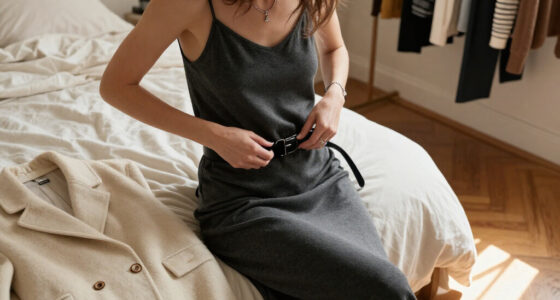
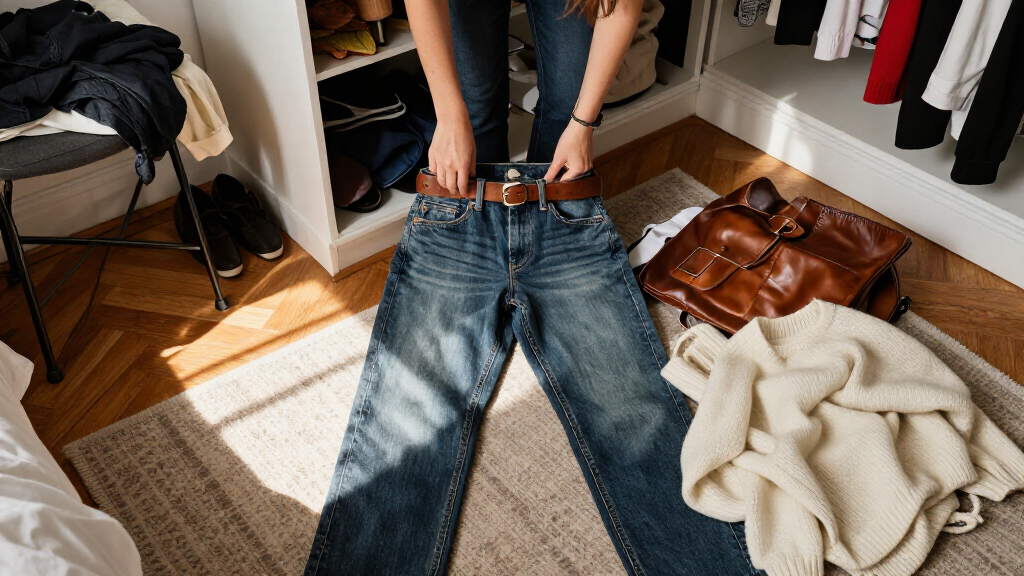
The report is built around a closet cleanout: its author says she devoted weekends to sorting different areas of her apartment before reviewing her basics. She explains that repeated exposure to certain pieces had made them feel less appealing to her, even though she does not consider them inherently wrong or unusable.
Each recommendation pairs an established basic with a silhouette the author currently finds fresher. In her account, barrel-leg jeans had been a favored denim shape over the previous couple of years, while flares now appeal for their different outline. Similarly, she describes teddy coats as widely owned and prefers the dressier look of a coat with a faux-fur trim. These are the writer’s characterizations; the report provides no measured data on how common the items are or how their popularity is changing.
““Don’t panic, you don’t need to get rid of everything.””
— Who What Wear writer
No Industry Forecast Provided
The source does not establish that any of the five listed staples will look dated in 2027. It offers no polling, retail sales data, runway analysis or independent expert assessment to support a broad prediction about what consumers will wear. The claim that certain pieces are appearing frequently or feel less fresh is presented as the writer’s observation.
It is also unclear whether the suggested alternatives will gain wider popularity, how long the reported preferences will last, or how availability and prices may change. The recommendations should be read as editorial guidance, not a definitive forecast or a reason to replace clothes that still suit a reader.
Readers Can Shop Selectively
The article offers retailer examples for each proposed alternative, but it does not announce a future report, a collection launch or a date when the styles are expected to take hold. No follow-up milestone is specified. Readers interested in the looks can compare the suggested silhouettes with pieces they already own and decide whether any are worth adding.
Whether these swaps become broader 2027 trends remains to be seen. For now, the report’s confirmed development is the publication of a set of personal style recommendations, not a verified change in what the fashion industry or shoppers will favor.
Key Questions
Which five wardrobe swaps does the report recommend?
It suggests micro-V tees for deep-V tees, minimalist flats for black evening heels, boatneck tops for crewneck tees, flare jeans for barrel-leg jeans, and fur-trim coats for teddy coats.
Does Who What Wear say these staples are definitely out of fashion?
No. The article describes the writer’s personal preferences and observations. It does not prove that the listed staples will be dated in 2027 or that shoppers broadly plan to stop wearing them.
Does the writer recommend throwing away existing clothes?
No. The writer says readers do not need to get rid of everything and says she will keep items such as crewneck tees and black heels. Her suggestion is to pause on buying more of some basics, not to discard them.
Are the retailer examples evidence of a wider trend?
No. The retailer names are shopping examples included with the editorial. The report gives no sales figures or other data showing that these items are gaining market share.
Source: whowhatwear.com