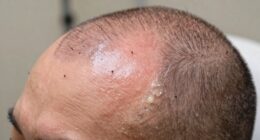
Understanding the difference between your scalp and hair is key to healthier growth. Your scalp is the skin on your head that supports hair follicles, while your hair is the keratin strands visible above it. Healthy scalp conditions promote stronger, shinier hair, so caring for your scalp is just as important as maintaining your strands. If you want to learn simple ways to improve both and keep issues at bay, keep exploring how these two connect.
Key Takeaways
- The scalp is the skin covering the skull, while hair is the keratin strands growing from follicles within the scalp.
- The scalp provides the foundation and nutrients necessary for healthy hair growth.
- Hair is external and visible, whereas the scalp is beneath, supporting follicle development.
- Healthy scalp conditions directly influence hair strength, vitality, and growth potential.
- Proper scalp care prevents issues like dandruff and inflammation, ensuring optimal hair health.
What’s the Difference Between Your Scalp and Hair?
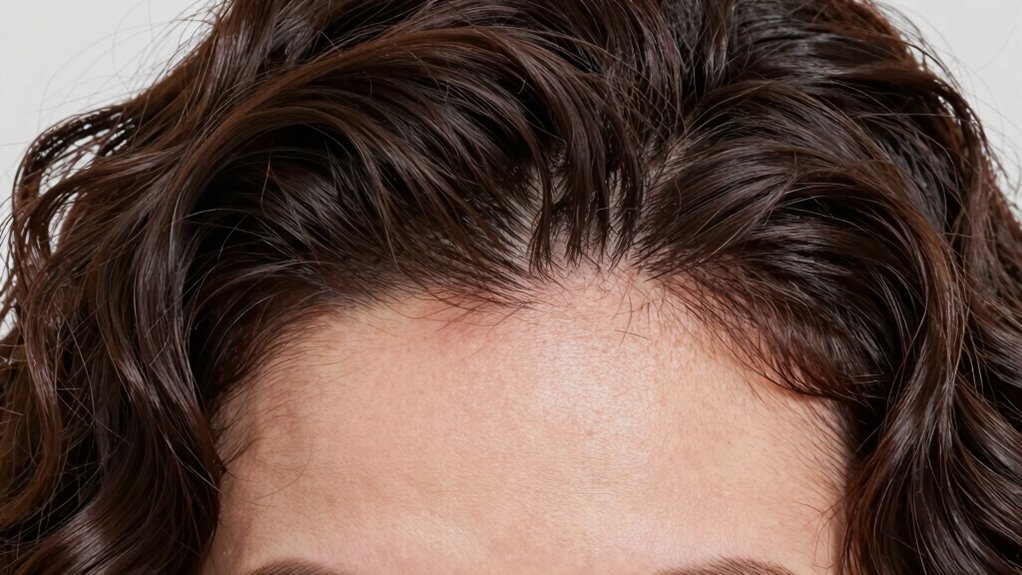
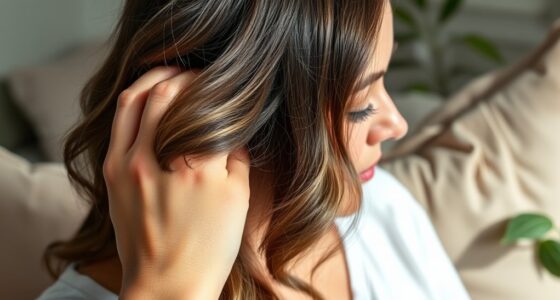
Your scalp and hair are two distinct parts of your head, each with its own role. Understanding scalp anatomy helps you see that your scalp is the skin covering your skull, rich with nerves, blood vessels, and sebaceous glands. It provides the foundation for hair growth. Scalp health is essential for maintaining strong and lustrous hair, emphasizing the importance of proper scalp care routines. Hair structure, on the other hand, refers to the strands that extend from the scalp, composed of keratin protein. While your hair is visible and often styled, the scalp is beneath, supporting hair follicles where growth begins. Recognizing this difference clarifies that healthy hair depends on Scalp health, but they are separate components. Your scalp acts as the environment for hair growth, while your hair is the product of that environment. Proper scalp maintenance can significantly influence overall hair vitality, highlighting the importance of targeted care routines. Understanding the importance of a healthy scalp helps in hair care routines, ensuring overall hair vitality.
Why Does Scalp Health Matter for Your Hair?
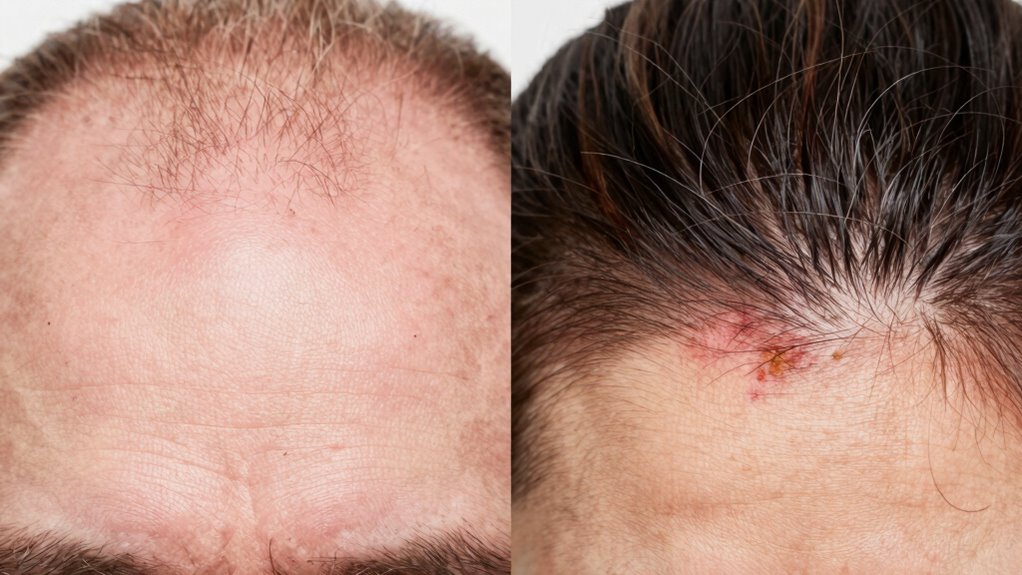
Your scalp’s condition directly affects your hair’s health and growth. When your scalp is healthy, it provides the right environment for strong, vibrant hair to thrive. Conversely, scalp issues can lead to hair thinning or loss, making scalp care essential. Proper scalp care practices can help maintain a balanced environment and promote overall hair health. Regular scalp assessments are important for early detection of potential problems and maintaining optimal hair health. Additionally, understanding the air quality around you can influence scalp and hair health, as pollutants can exacerbate scalp issues and hinder hair growth.
Scalp Conditions Impact Hair
A healthy scalp is essential for strong, vibrant hair because it provides the foundation for hair growth. When scalp conditions like dandruff, psoriasis, or seborrheic dermatitis develop, they can hinder this growth and cause hair to become brittle or fall out. Many hair myths suggest that hair issues are solely related to hair strands, but the truth is, scalp health plays a crucial role. Poor scalp conditions can block hair follicles or cause inflammation, weakening hair from the root. If you ignore scalp problems, you risk long-term damage that affects overall hair quality. Taking care of your scalp isn’t just about aesthetics; it’s about maintaining the health and vitality of every strand. Proper scalp care directly influences the strength and resilience of your hair. Understanding how scalp conditions impact hair can help you take proactive steps to ensure your hair remains healthy and strong. Additionally, maintaining a balanced scalp environment supports natural hair regeneration, which is vital for ongoing hair vitality. Recognizing the importance of a healthy scalp environment can help prevent future issues and promote optimal hair health. Regular scalp assessments and appropriate treatment options can also support preventive care and long-term scalp wellness.
Healthy Scalp Promotes Growth
Because a healthy scalp creates the ideal environment for hair growth, maintaining scalp health is essential for strong, lush hair. Proper scalp hydration keeps your scalp moisturized, preventing dryness and flakiness that can hinder growth. Regular scalp detox helps remove excess oil, product buildup, and dirt that can clog hair follicles. When your scalp is clean and well-hydrated, nutrients can reach the roots more efficiently, encouraging healthy growth. Proper scalp care is also crucial in preventing common issues like dandruff and inflammation, which can impede hair development. Neglecting scalp health can lead to issues like dandruff, inflammation, or hair thinning, all of which slow down or damage growth. By prioritizing scalp hydration and incorporating scalp detox routines, you create suitable conditions for your hair to flourish. Additionally, understanding scalp health can help you identify underlying issues that may impede hair growth and address them proactively. Recognizing scalp conditions early can prevent more serious problems from developing. Regular scalp maintenance also supports overall hair vitality, ensuring your hair remains resilient and vibrant over time.
How Can You Tell If Your Scalp Needs Extra Care?

If your scalp feels oily or greasy quickly, it might need extra cleaning or balancing. You should also watch for persistent itchiness or flaking, which could signal irritation or dryness. Paying attention to these signs helps you determine when your scalp requires special care. Using essential oils like rosemary oil can stimulate circulation and improve scalp health, offering a natural way to support your scalp’s needs.
Scalp Oil Buildup
You might notice your scalp feeling greasy or looking shiny despite regular washing, which can be a sign of oil buildup. When scalp oil accumulates, it can clog pores and hinder healthy hair growth. Recognizing this early can save you from discomfort and damage. Here are three signs your scalp needs extra care:
- You see persistent oiliness even after washing.
- Your scalp feels heavy or congested.
- You notice increased breakouts or irritation around hair follicles.
Addressing scalp oil buildup requires proper buildup removal techniques. Using the right products can help manage excess oil without stripping your scalp’s natural balance. Regular scalp care ensures your scalp stays healthy and your hair remains vibrant and fresh.
Itchiness or Flaking
Even with regular washing, persistent itchiness or flaking can indicate your scalp needs extra attention. Itchy, flaky scalp sensations often signal scalp sensitivity or specific flaking causes like dandruff or dermatitis. Recognizing these signs helps determine if your scalp requires special care. Look for consistent irritation, redness, or scales that don’t improve with basic hygiene. Paying attention to these signs of scalp distress can help you seek appropriate treatment and prevent further issues. Being aware of scalp health indicators can guide you toward effective solutions and healthier hair. Additionally, understanding how piercing care and hygiene impacts overall scalp health emphasizes the importance of gentle, proper maintenance. Monitoring these scalp health signals can make a significant difference in maintaining a balanced scalp environment. Moreover, adopting practices that promote energetic alignment can support overall well-being and improve scalp health.
Common Scalp Problems and How They Affect Hair Growth
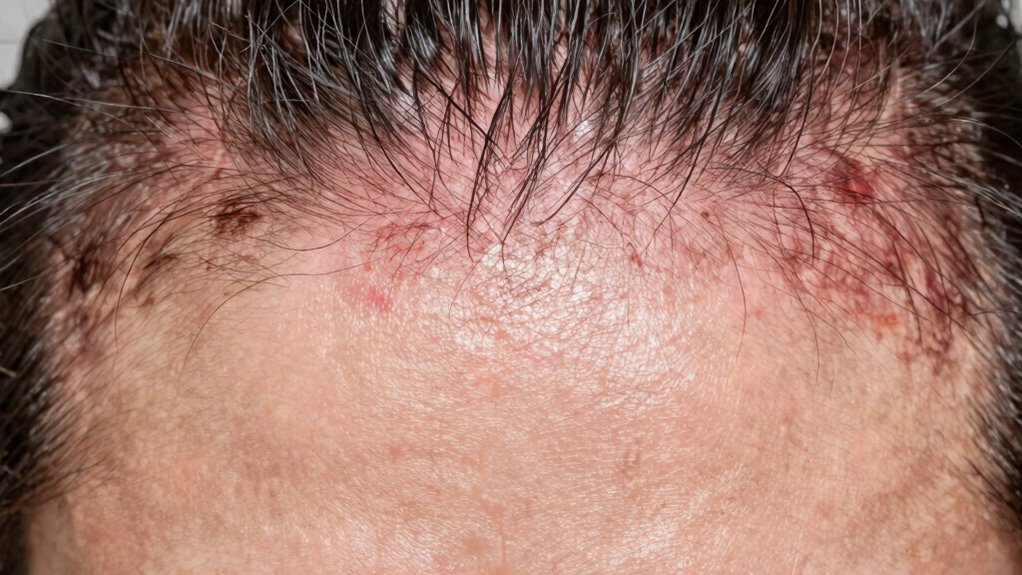
Common scalp problems can substantially hinder hair growth by disrupting the scalp’s natural environment. When issues like scalp infections occur, they can cause inflammation and damage hair follicles, leading to hair loss. Dandruff, if left untreated, worsens scalp health and blocks hair growth. You might feel frustrated if dandruff remedies aren’t working, making the problem seem endless.
Here are 3 common issues that impact your hair:
- Scalp infections—these can weaken roots and cause shedding.
- Persistent dandruff—it irritates the scalp and hampers healthy growth.
- Seborrheic dermatitis—this causes oily, inflamed scalp that stunts hair development.
Addressing these problems promptly helps restore your scalp’s health and promotes stronger hair growth.
How to Care for Your Scalp vs. Your Hair Strands: What’s the Difference?
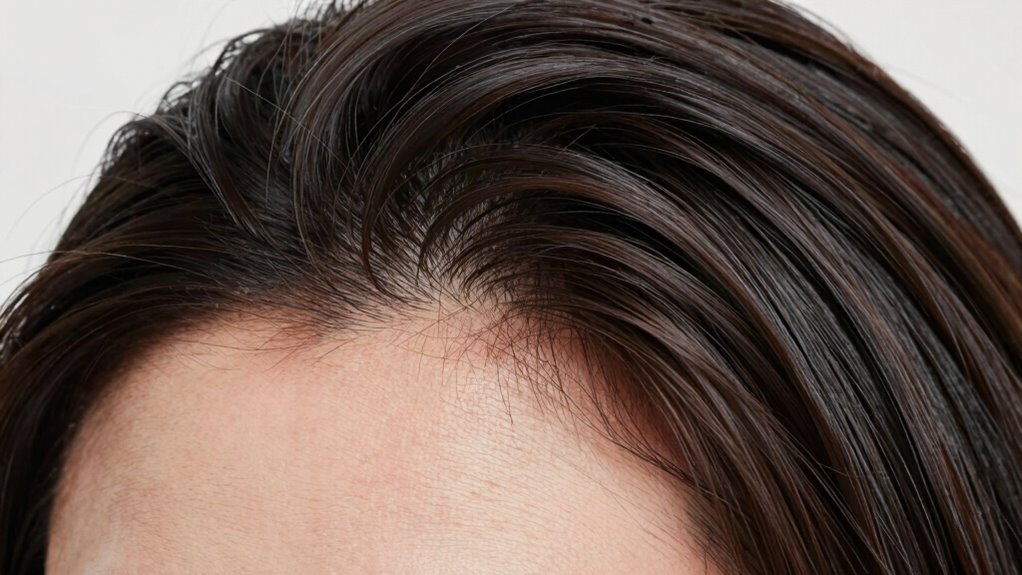
Taking care of your scalp is key to healthy hair growth, so focus on regular cleansing and gentle treatments. Meanwhile, maintaining your hair strands involves conditioning and minimizing damage from styling. Understanding the differences helps you give each the proper attention they need.
Scalp Hygiene Essentials
Caring for your scalp is just as important as looking after your hair strands, but it requires a different approach. To keep your scalp healthy, focus on gentle cleansing and regular maintenance. First, incorporate scalp exfoliation to remove dead skin cells and prevent buildup, which can lead to irritation. Second, ensure hair dye safety by using products designed for scalp health, reducing chemical damage and sensitivity. Third, avoid over-washing, as this can strip natural oils and cause dryness. Maintaining a clean, balanced scalp encourages healthy hair growth and prevents issues like dandruff or itchiness. By paying attention to these essentials, you create a strong foundation that supports your hair’s overall health and vitality.
Hair Strand Maintenance
While your scalp requires gentle cleansing and exfoliation, your hair strands need different care to stay strong and shiny. Regular scalp exfoliation helps remove buildup and dead skin cells, promoting healthier hair growth from the root. Be careful not to overdo it, as harsh scrubbing can cause irritation. For your hair strands, focus on maintaining proper hair hydration. Use conditioners and hair masks to lock in moisture, preventing dryness and breakage. Avoid washing hair with hot water, which can strip natural oils, and consider using leave-in conditioners for added moisture. Protect your strands from heat styling and environmental damage. Properly caring for both your scalp and hair strands ensures they stay healthy, vibrant, and resilient.
The Best Products to Keep Your Scalp Healthy
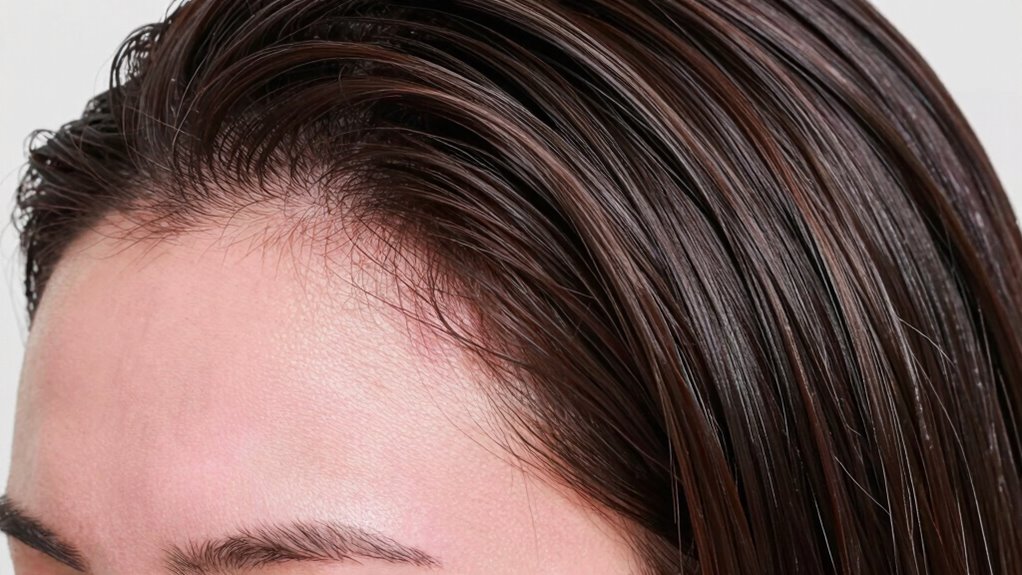
To keep your scalp healthy, choosing the right products is essential. Start with a gentle scalp detox to remove buildup from hair coloring and environmental pollutants, giving your scalp a fresh start. Use a clarifying shampoo once a week to prevent clogged follicles and promote better airflow. Incorporate soothing scalp treatments with natural ingredients like tea tree oil or aloe vera to reduce irritation.
Here are the top products to regard:
- A scalp detox mask that deep cleanses and rejuvenates.
- Color-safe shampoos that protect your scalp during hair coloring.
- Lightweight serums that hydrate without weighing down your scalp, preventing dryness and flakiness.
Investing in these products helps maintain a healthy scalp, foundation for beautiful hair.
Tips to Prevent Scalp Issues and Boost Hair Growth

Preventing scalp issues and promoting hair growth start with establishing a consistent hair care routine. Regular scalp massage stimulates blood flow, encouraging healthier hair follicles and reducing tension that can lead to issues. Use gentle pressure and circular motions to invigorate your scalp daily or a few times a week. Keep your scalp clean and avoid over-washing, which can strip natural oils. If thinning or hair loss is a concern, consider using hair camouflage techniques temporarily to boost confidence while addressing underlying issues. Protect your scalp from harsh environmental factors like sun and pollution, and stay hydrated. Remember, a healthy scalp creates the ideal environment for hair growth, so prioritize care and gentle maintenance to keep your hair thick and vibrant.
How To Know When Your Hair Needs Special Attention?

Your hair signals when it needs extra care through noticeable changes in texture, appearance, or health. Pay attention to signs that suggest your scalp hygiene might be slipping or your hair isn’t getting enough nourishment.
- Feelings of excessive oiliness or dryness—these indicate your scalp needs balanced attention.
- Breakage or thinning—your hair may be lacking proper nourishment or scalp care.
- Dull, lifeless strands—this shows your hair isn’t receiving enough nutrients or proper cleansing.
If you notice these signs, it’s time to adjust your routine. Prioritize scalp hygiene and nourishing treatments to restore health and vibrancy. Recognizing these signals helps you prevent further damage and maintain beautiful, resilient hair.
Easy Changes to Improve Both Your Scalp and Hair Health
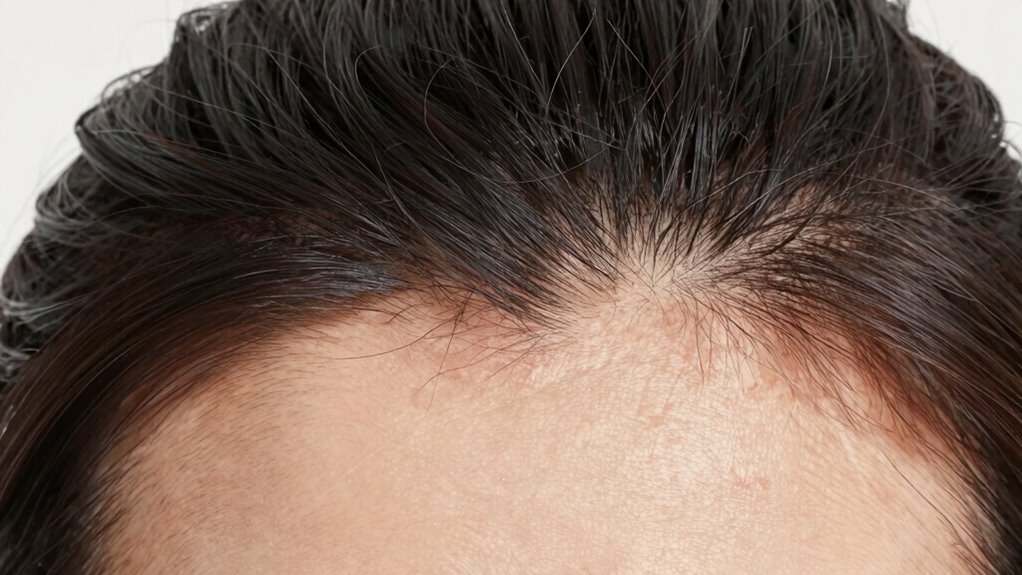
Simple adjustments to your hair care routine can make a noticeable difference in both scalp and hair health. Understanding the difference between scalp vs. hair is key—your scalp’s condition impacts hair growth and texture. If you have oily scalp vs. dry hair textures, choose lightweight, balancing shampoos to control excess oil without stripping moisture. Conversely, if your scalp is dry vs. brittle hair, opt for hydrating treatments and nourishing conditioners. Avoid overwashing, which can disrupt natural oils, and incorporate regular scalp massages to boost circulation. Protect your hair from heat and harsh chemicals, and use products suited to your specific scalp vs. hair needs. Small, consistent changes can lead to healthier scalp and improved hair textures over time.
When Should You See a Professional About Your Scalp or Hair?
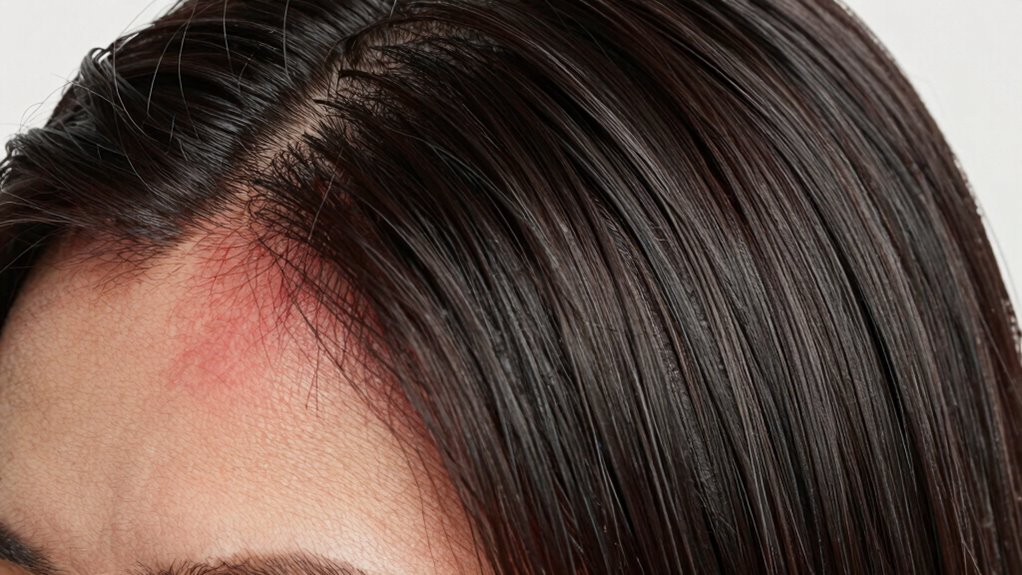
Knowing when to consult a professional is essential if you notice persistent or worsening scalp or hair issues despite your regular care routine. If you experience severe scalp irritation, unexplained hair loss, or persistent dandruff, it’s time to seek expert help. Also, if you’ve tried scalp exfoliation or hair coloring without results or notice changes in your scalp’s appearance, a specialist can diagnose underlying problems. Don’t ignore these signs—they could signal a condition that needs medical attention.
- Your scalp remains inflamed or painful after exfoliation attempts.
- Hair coloring causes ongoing irritation or allergic reactions.
- Sudden or excessive hair loss persists despite home remedies.
Seeing a professional can protect your hair’s health and restore your confidence.
Frequently Asked Questions
Can Scalp Issues Cause Temporary or Permanent Hair Loss?
Yes, scalp issues like scalp infections and scalp psoriasis can cause both temporary and permanent hair loss. When these conditions irritate your scalp, they can weaken hair follicles, leading to shedding or thinning. If left untreated, especially in chronic cases like psoriasis, damage may become permanent. To prevent this, you should seek prompt medical attention, maintain good scalp hygiene, and follow recommended treatments to protect your hair health.
Are There Natural Remedies for Common Scalp Problems?
Did you know over 60% of people find relief from scalp problems with natural remedies? You can explore herbal treatments like tea tree oil or aloe vera to soothe irritation. Dietary supplements rich in biotin and zinc support scalp health from within. Regularly using these natural remedies can help manage common scalp issues, reduce inflammation, and promote healthier hair growth without harsh chemicals.
How Often Should I Wash My Scalp Versus My Hair?
You should wash your scalp and hair based on your hair type and scalp needs. For scalp cleansing, aim for 2-3 times a week if you have oily or dandruff-prone skin, and less if your scalp is dry. Your hair washing frequency might be daily or every few days, depending on your lifestyle. Adjust accordingly to keep your scalp healthy without over-drying or stripping natural oils.
What Ingredients Should I Avoid in Scalp Care Products?
Don’t fall for harsh chemicals or synthetic fragrances in scalp care products; they’re like a snake oil salesman. You should avoid ingredients like sulfates, parabens, and alcohols that can irritate your scalp or strip natural oils. Instead, opt for gentle, natural ingredients that nourish and protect your scalp. Always read labels carefully—your scalp deserves care that’s clean, safe, and free from harmful additives.
Does Scalp Health Impact Hair Color or Texture Changes?
Yes, your scalp health impacts hair color and texture changes. If you experience scalp sensitivity or issues like scalp pigmentation, it can affect how your hair looks and feels. A healthy scalp encourages better hair growth, vibrant color, and smooth texture. Conversely, scalp problems may lead to dull, brittle hair or color fading. Prioritize gentle, nourishing care to maintain superior scalp health and support your hair’s natural beauty.
Conclusion
Remember, your scalp is the foundation for healthy hair, so don’t overlook it. By paying attention to its needs and making simple adjustments, you can keep your hair looking its best. When you nurture your scalp, you’re setting the stage for strong, shiny strands — a win-win situation. Stay proactive and don’t let small issues snowball into bigger problems; after all, an ounce of prevention is worth a pound of cure.