Brittle nails crack, split, and chip easily, often appearing dry, rough, and peeling, usually caused by dehydration, harsh chemicals, or health issues. Soft nails, on the other hand, bend and fold under pressure because they lack firmness, often due to overexposure to water or nutritional deficiencies. Understanding these differences can help you choose the right care tips. Keep exploring to discover how to effectively address each condition and improve your nail health.

Get beauty and skincare favorites delivered free — and shop member deals
- Fast, free delivery on millions of items
- Access to Prime Big Deal Days deals on October 6–7
- Prime Video, Amazon Music and more included
Key Takeaways
- Brittle nails crack, chip, and break easily, appearing dry and peeling; soft nails bend and fold under pressure.
- Brittle nails are often linked to dehydration, harsh chemicals, or health conditions; soft nails result from overexposure to water and nutritional deficiencies.
- Brittle nails tend to be fragile and brittle, while soft nails lack firmness and resilience.
- Preventive care for brittle nails includes hydration and avoiding harsh chemicals; soft nails benefit from moisturizing and nutritional support.
- Both types indicate underlying issues; identifying their characteristics helps determine appropriate treatment and care.
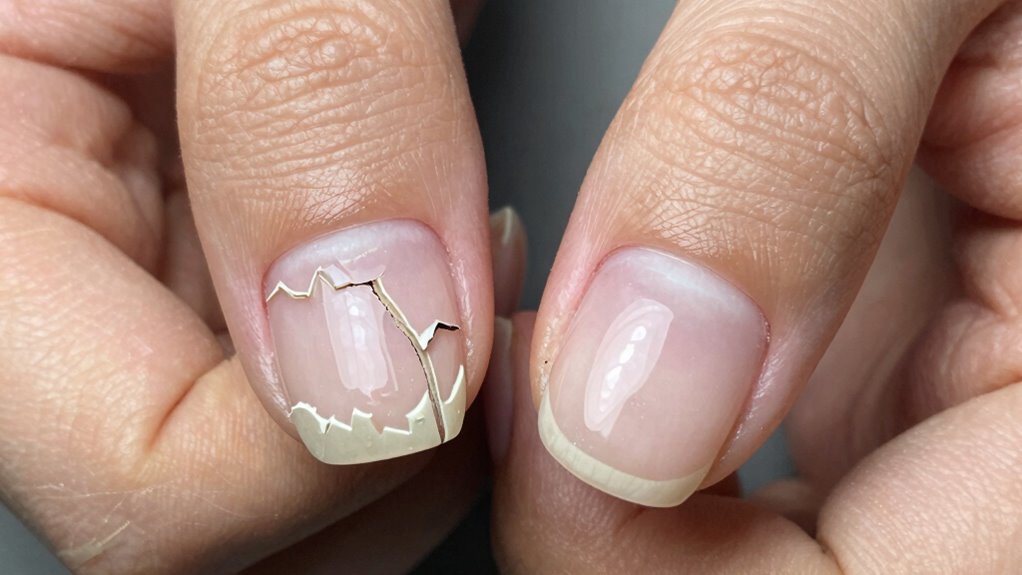
Ever wondered what sets brittle nails apart from soft nails? Understanding nail health is essential to recognizing the differences and addressing any underlying issues. Nails are made of keratin, a protein that protects and supports your fingertips, but their condition can tell you a lot about your overall health. When your nails become fragile or easily break, they’re considered brittle. Conversely, soft nails tend to be weak, flexible, and sometimes bend easily without breaking. Spotting these differences helps you determine whether you’re facing a common problem or something that needs more attention.
Brittle nails break easily, while soft nails bend and lack strength—recognize the difference to improve your nail health.
Brittle nails typically crack, split, or chip easily. They often appear dry, rough, and may peel at the edges. This condition is frequently linked to nail health, which can be compromised by dehydration, frequent exposure to water, harsh chemicals, or nutritional deficiencies. Common causes include lack of moisture, excessive use of nail polish remover, or exposure to strong detergents. Health conditions such as hypothyroidism, psoriasis, or fungal infections can also contribute to brittleness. If your nails are brittle, you might notice that they break or peel more than usual, making daily activities like typing or opening packages frustrating. Proper nail care can help prevent or reduce brittleness when combined with addressing underlying health issues. Recognizing the signs early can also help prevent further damage or discomfort.
In contrast, soft nails are characterized by their excessive flexibility and tendency to bend or fold easily. They lack the firmness needed to resist everyday stresses, which can lead to difficulty performing tasks that require nail strength. Soft nails are often caused by overexposure to water or moisture, which weakens the keratin structure. Additionally, nutritional deficiencies—particularly a lack of biotin, iron, or zinc—can make nails more pliable and prone to bending. Certain medical conditions, like anemia or eczema, may also be associated with soft nails. If your nails are soft, you might notice that they don’t break easily but instead fold or bend under pressure, which can be bothersome and make nails look unhealthy. Maintaining a balanced diet and proper hydration is crucial for improving nail strength and overall health. It’s also important to be aware of nutritional deficiencies that can affect nail quality and seek appropriate treatment or dietary adjustments. Additionally, using moisturizing treatments can help restore flexibility and prevent further weakening of the nails.
nail strengthener for brittle nails
As an affiliate, we earn on qualifying purchases.
As an affiliate, we earn on qualifying purchases.
Frequently Asked Questions
Can Diet Improve Brittle or Soft Nails?
Yes, your diet can impact your nails’ health, improving both brittle and soft nails. Eating a balanced diet rich in biotin, zinc, and vitamins A and E strengthens nails, enhancing their flexibility and reducing breakage. Proper nutrition supplies essential nutrients that support nail growth and resilience. By focusing on a diet that promotes nail health, you can see noticeable improvements in nail strength, flexibility, and overall appearance over time.
Are There Specific Vitamins for Nail Health?
Yes, specific vitamins can boost your nail health. Vitamin supplementation with biotin, vitamin E, and vitamin D helps strengthen nails and prevents brittleness, especially if you have nutrient deficiencies. These vitamins support keratin production and improve overall nail resilience. If your nails are soft or brittle, consider checking your diet and supplementing accordingly, but consult a healthcare provider first to address any underlying nutrient deficiencies effectively.
How Do Nail Conditions Indicate Overall Health?
Nail conditions can reveal your overall health, pointing to potential problems like nail infections or genetic predispositions. If your nails are unusually discolored, thickened, or misshapen, it might signal underlying health issues, such as fungal infections or nutritional deficiencies. Pay attention to persistent changes, as they could indicate more significant concerns, prompting you to seek medical advice. Healthy nails often mirror a healthy, balanced body.
Do Nail Treatments Differ for Brittle Versus Soft Nails?
Yes, nail treatments differ for brittle versus soft nails. For brittle nails, you should focus on nail strengthening treatments, like keratin-based topcoats or nourishing oils, to improve durability. Soft nails benefit from hydration and gentle strengthening to restore firmness. Treatment options include cuticle oils, moisturizing creams, and avoiding harsh chemicals. Tailoring your approach helps improve nail health based on whether your nails are fragile and brittle or overly soft.
Can Nail Polish Cause Changes in Nail Texture?
Yes, nail polish can cause changes in your nail texture, especially if you don’t remove it properly. Nail polish removal with harsh chemicals like acetone can strip moisture and weaken nails, leading to rough or brittle textures. Over time, chemical damage from frequent polish and removers can compromise your nails’ health, making them appear softer or more fragile. To prevent this, opt for gentle removers and give your nails regular breaks.
Conclusion
Understanding the difference between brittle and soft nails helps you care for them better. Think of your nails as tiny windows into your health—when they’re brittle, they’re like fragile glass, easily breaking and cracking. Soft nails, on the other hand, are more like limp ribbons, lacking strength. By recognizing these signs, you can nurture your nails back to health, turning them from fragile or floppy to strong and resilient—your nails’ own personal comeback story.
Halloween Picks
halloween
As an affiliate, we earn on qualifying purchases.