To prevent flooding the cuticles when painting your nails, use a controlled, light hand and a fine brush for precise application. Wipe excess polish off the brush frequently and start at the center of the nail, gently pushing the polish toward the edges without overloading the brush. Pay close attention to your technique and control the flow of the polish. For more tips on achieving a flawless finish, keep exploring these expert techniques.

Get beauty and skincare favorites delivered free with Prime
- Fast, free delivery on millions of items
- Prime Video, Amazon Music and more included
- Member-only deals all year
Key Takeaways
- Use a small, flat brush and control the amount of polish applied to prevent excess near cuticles.
- Start painting from the center and work outward to avoid flooding the cuticle area.
- Wipe excess polish off the brush frequently to maintain precision.
- Use a pointed tool to clean up any polish that approaches the cuticles before drying.
- Maintain steady, gentle strokes and avoid pressing hard near the cuticles for controlled application.
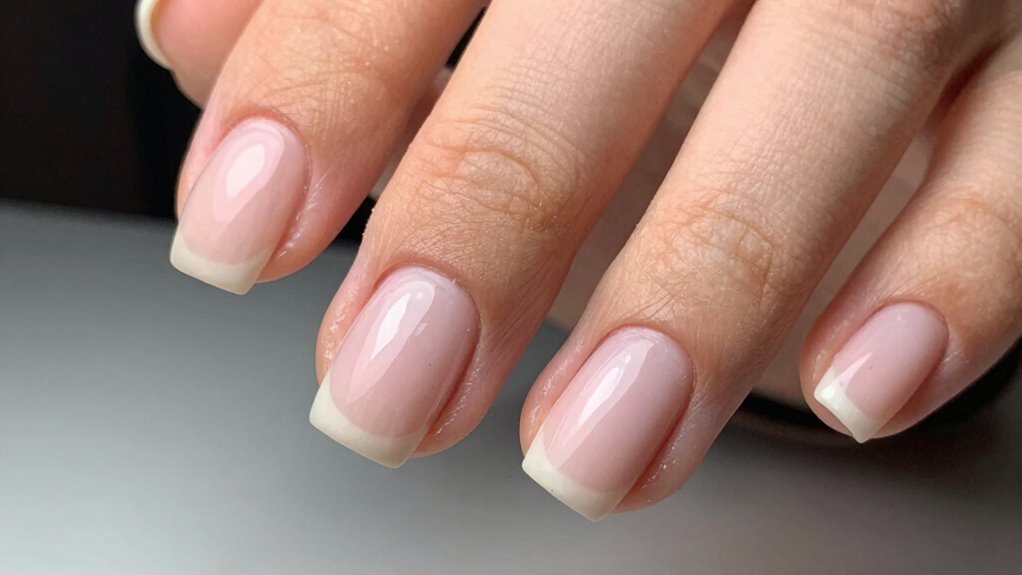
Painting your nails can be tricky, especially when you want a clean, professional look without flooding the cuticles. The key to achieving that flawless finish lies in proper nail prep and careful tool selection. Before you even pick up your polish, make sure your nails are thoroughly cleaned and buffed. Removing oils, dirt, and old polish creates a smooth surface that helps the new coat adhere better. Use a gentle nail file or buffer to shape your nails and eliminate ridges, ensuring the polish goes on evenly. Applying a base coat afterward not only protects your nails but also provides a tacky surface that minimizes the chance of flooding your cuticles.
When it comes to tool selection, choose your brushes wisely. A good nail polish brush should be narrow with a flat, rounded tip. This allows you to control the polish flow and makes it easier to apply close to the cuticle line without flooding. If your brush is too wide or stiff, you might find it difficult to maneuver, increasing the risk of excess polish spilling over onto the skin. You might also consider using a fine detail brush or a small, flat brush for precise application. These tools give you better control, especially around the cuticles, so you can create a clean line without flooding.
As you start painting, use gentle, steady strokes. Dip the brush into the polish, wipe off excess on the bottle’s inner rim to prevent drips, then begin at the center of your nail near the cuticle. Gently push the brush toward the cuticle line, but don’t press too hard. Instead, let the brush do the work. For the sides, use light strokes to fill in the corners, avoiding excessive polish on the brush. If you notice excess polish pooling near the cuticles, use a clean, pointed tool, like a toothpick or a small brush, to gently clean up before the polish dries. Controlling the flow of polish is essential for preventing floods, and understanding nail surface preparation can greatly improve your results. Paying attention to nail shape can also help you apply polish more precisely and avoid flooding. Additionally, practicing technique consistency can help you achieve more uniform results over time. Remember that patience and steady hands are key to mastering this skill, as rushing often leads to mistakes.
As an affiliate, we earn on qualifying purchases.
Frequently Asked Questions
Can Using Tape Prevent Cuticle Flooding?
Yes, using tape can help prevent cuticle flooding by providing cuticle protection. Tape effectively creates a barrier around your nails, catching excess polish and keeping it away from your cuticles. When applying tape, make sure it’s pressed down firmly to seal edges properly. This simple step makes cleanup easier and results in cleaner, more professional-looking nails. Just remove the tape carefully after painting, and enjoy a flawless finish.
What’s the Best Nail Polish Consistency for Clean Application?
Imagine you’re painting your nails and want smooth, precise lines. Use nail polish with a medium thickness—not too runny or thick—so it flows easily. Thicker polish can lead to uneven coverage, while too thin can cause streaks. Focus on brush control; gently wipe excess polish from the brush before applying. This combination helps you achieve a clean, professional look without flooding your cuticles or creating messes.
How Does Nail Shape Affect Flooding Risk?
Your nail shape influences flooding risk because wider, square nails provide more surface area, making it easier for polish to flood the cuticles. Conversely, tapered or almond shapes have less space around the cuticle, reducing the chance of flooding. To prevent this, you should use a steady hand, apply polish in thin layers, and carefully work along the edges. Adjust your technique based on your nail shape to keep the polish neat.
Should I Hydrate My Cuticles Before Painting?
Yes, you should hydrate your cuticles before painting. Proper cuticle health and hydration benefits keep your skin soft and pliable, making nail polish application easier and cleaner. When your cuticles are well-hydrated, they’re less likely to crack or peel, reducing the risk of flooding during painting. Use cuticle oil or moisturizer to prep your nails—this simple step guarantees smoother application and healthier-looking nails overall.
Can Topcoats Hide Minor Flooding?
Yes, topcoats can hide minor flooding, but they aren’t a perfect fix. To effectively conceal flooding, you should guarantee proper cuticle protection and maintain the right nail polish thickness. Applying a thin, even layer of topcoat helps smooth out uneven areas, but avoid brushing over flooded spots excessively, as it can make the issue worse. Proper cuticle protection from the start is the best way to prevent flooding altogether.
Conclusion
By taking your time and practicing gentle strokes, you’re nurturing your nails with care and patience. Avoiding cuticle flooding isn’t just about neatness; it’s about honoring your nails’ natural beauty and giving them the love they deserve. When you handle each brushstroke with tenderness, you create a polished look that speaks to your attention and grace. Remember, the smallest acts of care can transform your nail routine into a moment of self-love and elegance.
Halloween Picks
halloween
As an affiliate, we earn on qualifying purchases.