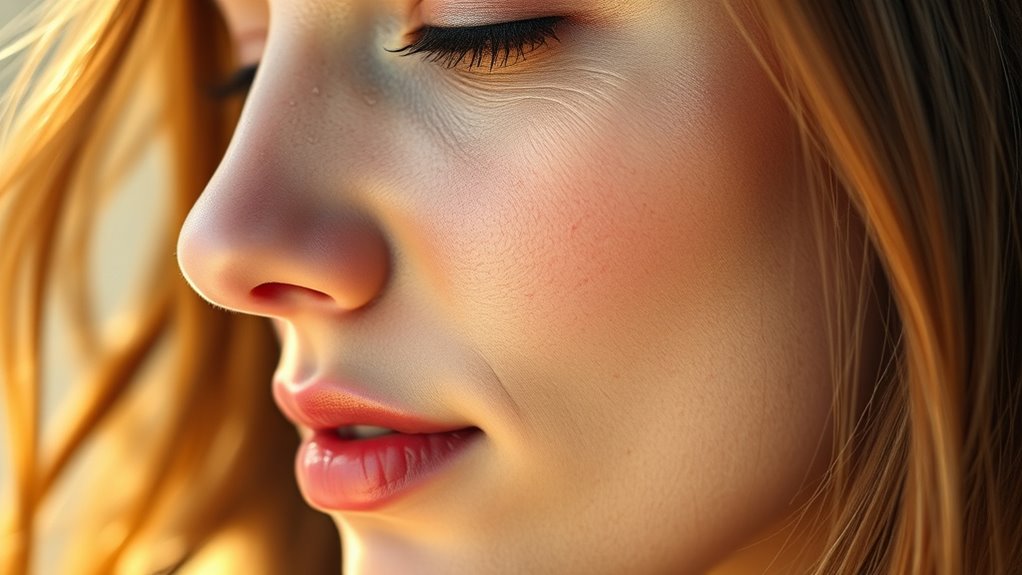

Hormones play a key role in keeping your skin and hair healthy by regulating important biological functions. When hormones like estrogen, testosterone, and thyroid hormones stay balanced, your skin looks radiant, and your hair stays strong and thick. However, imbalances caused by stress, aging, or health issues can lead to dull skin, hair thinning, or other changes. To discover how addressing these hormonal factors can improve your appearance and well-being, keep exploring the connection between hormones and your look.
Key Takeaways
- Hormones like estrogen and thyroid regulate skin vitality and hair growth, maintaining their strength and appearance.
- Imbalances in hormones such as androgens and testosterone can cause hair thinning, hair loss, and skin issues like oiliness or acne.
- Proper hormonal levels promote radiant skin, reduce signs of aging, and support healthy, thick hair.
- Stress, diet, and medical conditions can disrupt hormone production, leading to skin dullness and hair problems.
- Addressing hormonal imbalances through medical or lifestyle interventions enhances overall skin and hair health.
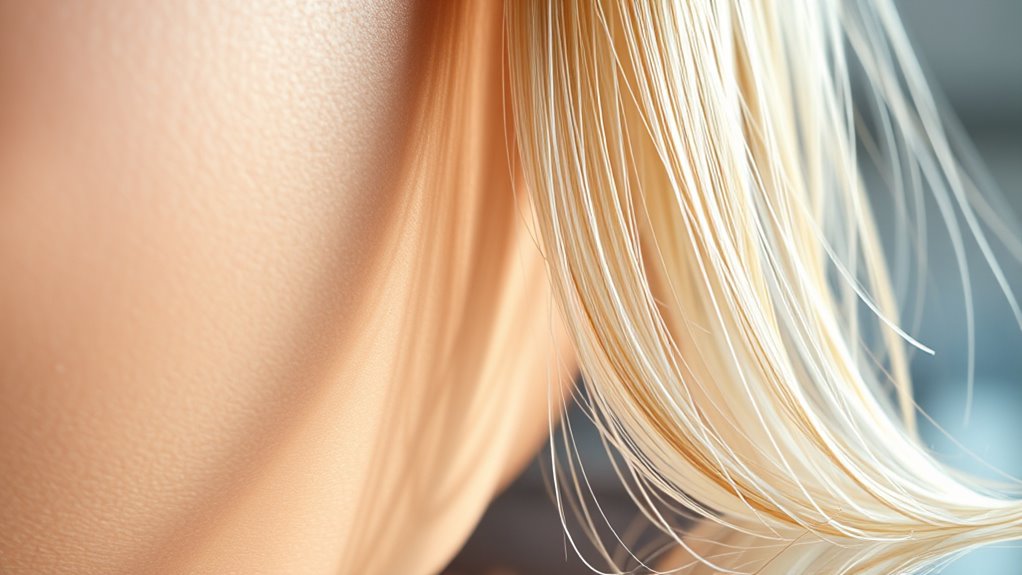
Have you ever wondered how hormones influence the health of your hair and skin? The truth is, your body’s hormonal balance plays a crucial role in maintaining their vitality. When hormones are in sync, your skin looks radiant, and your hair feels thick and strong. But when hormone imbalances occur, it can lead to noticeable changes, like dull skin, increased aging, thinning hair, or even hair loss. Understanding this connection can help you take better care of yourself and seek targeted treatments.
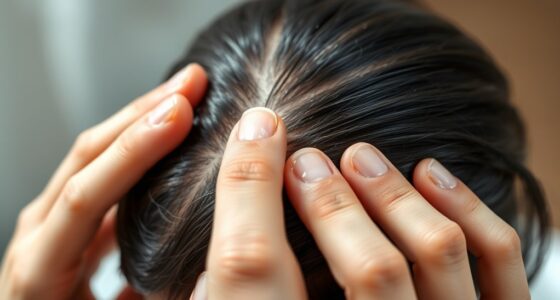
Hormone imbalances happen for various reasons—stress, diet, medical conditions, or age-related changes. These fluctuations can disrupt the production of key hormones like estrogen, testosterone, thyroid hormones, and androgens, which directly influence your hair and skin health. For example, decreased estrogen levels during menopause often result in thinner, drier skin and hair thinning. Conversely, elevated androgens can lead to oily skin and acne, as well as hair thinning on the scalp. Recognizing these signs can guide you toward appropriate solutions, whether through lifestyle adjustments or medical intervention.
One way to address hormone-related skin and hair issues is through cosmetic treatments, but understanding the root cause is vital first. Treatments like topical creams, laser therapies, or chemical peels can improve the appearance of your skin, making it look more youthful and vibrant. For hair concerns, options such as PRP therapy or specialized shampoos can stimulate growth. However, these cosmetic treatments often work best when combined with strategies that restore hormonal balance. For instance, your healthcare provider might recommend hormone therapy, supplements, or lifestyle changes to correct underlying imbalances. This integrated approach targets both the aesthetic concerns and the root hormonal causes, leading to more sustainable results.
It’s important to remember that not all skin and hair issues are purely cosmetic. Sometimes, they signal deeper health problems. If you’re experiencing persistent changes, consulting a healthcare professional can help identify whether hormonal imbalances are at play. They can perform tests and recommend personalized treatments—whether hormonal therapy, dietary adjustments, or other medical options—that go beyond surface-level fixes. By addressing hormone imbalances directly, you not only improve your hair and skin’s appearance but also boost your overall well-being.
Additionally, understanding the role of wicks and waxes in candle making can inspire creative projects that soothe and relax, contributing to your overall well-being. In the end, understanding how hormones influence your hair and skin empowers you to make informed choices. Whether through natural remedies, lifestyle changes, or cosmetic treatments, taking steps to balance your hormones can lead to healthier, more radiant skin and hair. Remember, your body’s hormonal harmony is key to feeling confident and looking your best every day.
Frequently Asked Questions
Can Hormonal Imbalances Cause Sudden Hair Loss?
Yes, hormonal imbalances can cause sudden hair loss. Thyroid disorders, such as hypothyroidism or hyperthyroidism, often lead to hair thinning or shedding. Hormonal fluctuations, like those during pregnancy, menopause, or stress, can also trigger rapid hair loss. When your hormones are out of balance, your hair follicles may weaken or stop growing hair temporarily, resulting in noticeable hair loss that usually improves once hormonal levels stabilize.
Do Hormones Affect Skin Aging Signs?
Yes, hormones impact skin aging signs. Hormonal fluctuations, especially during menopause or stress, can reduce collagen production, leading to decreased skin elasticity. This results in wrinkles and sagging over time. You might notice your skin becoming drier and less resilient as hormone levels decline. Maintaining hormonal balance through skincare, healthy lifestyle choices, and consulting a specialist can help slow these aging signs and preserve your skin’s youthful appearance.
How Do Hormones Influence Acne Development?
Hormonal fluctuations trigger increased sebaceous gland activity, leading to excess oil production that clogs pores. This creates an ideal environment for bacteria growth, causing inflammation and acne breakouts. You may notice acne worsening before your period or during hormonal shifts like puberty or stress. Managing these hormonal changes through skincare or medical advice can help control oil levels and reduce acne development effectively.
Are Hormone Treatments Effective for Skin Rejuvenation?
You can see results from hormone therapy in skin rejuvenation, but it’s not a silver bullet. These treatments may improve skin elasticity and reduce signs of aging, yet they’re not guaranteed to work for everyone. Think of it as putting all your eggs in one basket; it’s worth exploring, but also consider other skincare approaches. Always consult a specialist to weigh the benefits and risks before diving in.
Can Hormonal Changes Improve Hair Growth Naturally?
Yes, hormonal changes can improve hair growth naturally by supporting hormonal regulation that promotes healthy hair follicle growth. When your hormones are balanced, it encourages your hair follicles to remain active, reducing hair thinning and shedding. Maintaining a healthy lifestyle, managing stress, and ensuring proper nutrition can help support this process. Consult a healthcare professional to address any underlying hormonal imbalances for ideal hair growth.
Conclusion
Understanding how hormones influence your hair and skin is like discovering the master key to your body’s beauty vault. When hormones are balanced, your skin glows and your hair shines like a well-tuned orchestra. But when they’re off, it’s as if the symphony falls silent. By paying attention to hormonal health, you can help keep your skin radiant and your hair vibrant. Think of hormones as the conductors guiding your body’s natural beauty—keep them in harmony for the best results.