
Your scalp is more than just a foundation for hair—it’s a living skin that needs proper care. When you neglect scalp hygiene, oil, dirt, and dead skin can build up, clogging hair follicles and causing dandruff or dullness. Using harsh products or washing improperly can strip natural oils or trap excess oils, leading to problems. If you want to understand how to keep your scalp healthy and avoid hair issues, there’s more you should know.

Get beauty and skincare favorites delivered free with Prime
- Fast, free delivery on millions of items
- Prime Video, Amazon Music and more included
- Member-only deals all year
Key Takeaways
- Poor scalp hygiene causes buildup of oil, dirt, and dead skin, clogging hair follicles and leading to hair issues.
- Imbalanced washing routines can strip natural oils or allow excess oil, both harming scalp health.
- External factors like harsh products or environmental stressors disrupt microbial balance, causing irritation and hair problems.
- Nutritional deficiencies and stress negatively impact scalp health, resulting in dull, thinning hair.
- Incorporating natural remedies and choosing gentle products support scalp health, preventing common hair issues.
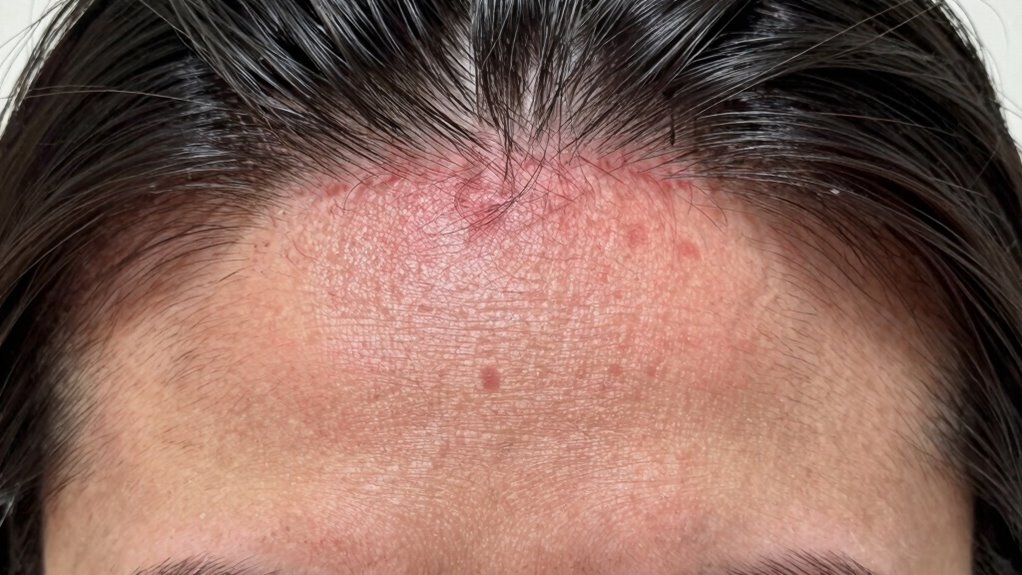
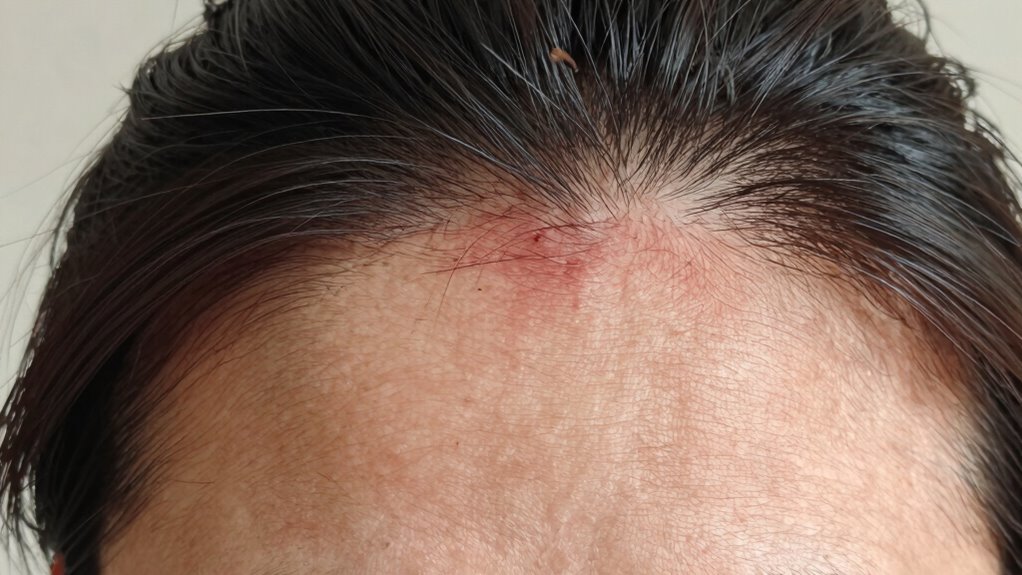
Have you ever wondered why your scalp feels itchy, flaky, or why your hair seems to be thinning? The answer might lie in your scalp’s health. Your scalp isn’t just a blank canvas for hair; it’s a living skin that needs proper care. Ignoring scalp hygiene can lead to buildup of oil, dirt, and dead skin cells, which can clog hair follicles and cause issues like dandruff or inflammation. When your scalp isn’t clean, it creates an environment where problems flourish, making hair appear dull and thinning over time. Maintaining good scalp hygiene involves regular washing with gentle, suitable shampoos and avoiding products that strip away natural oils excessively. It’s essential to find a balance—over-washing can dry out your scalp, triggering more flakiness, while under-washing allows excess oil and dirt to accumulate. Pay attention to your scalp’s response and adjust your routine accordingly. Additionally, scalp health is influenced by diet, stress levels, and overall wellness, which can also impact hair quality. Proper nutrition and managing stress can significantly support your scalp’s condition and promote healthier hair growth. Incorporating natural remedies and scalp treatments can further enhance scalp health and prevent common issues. Using scalp-friendly products that maintain the natural microbial balance can also help prevent irritation and support overall scalp health.
gentle scalp shampoo for dandruff
As an affiliate, we earn on qualifying purchases.
As an affiliate, we earn on qualifying purchases.
Frequently Asked Questions
Can Scalp Issues Cause Hair Loss Without Visible Symptoms?
Yes, scalp issues can cause hair loss without visible symptoms. If you have scalp sensitivity or underlying conditions like inflammation, it can lead to hair thinning even if you don’t notice redness or irritation. These issues disrupt the hair follicles’ health, weakening hair strands and causing loss over time. Regular scalp care and addressing sensitivity can help prevent further hair thinning and promote healthier growth.
How Does Diet Influence Scalp Health?
Your diet directly impacts your scalp health. Nutritional deficiencies, like lacking iron or zinc, can weaken hair follicles and cause scalp issues. Incorporating dietary antioxidants, such as vitamins C and E, helps reduce inflammation and protect scalp cells from damage. Eating a balanced diet rich in these nutrients can improve scalp health, promote stronger hair, and prevent problems like dryness or dandruff, ultimately supporting healthier hair growth.
Are Scalp Infections Contagious?
Absolutely, scalp infections are contagious—think of them as the ultimate social butterflies, enthusiastic to spread Contagious fungi and Bacterial transmission. If you share hats, combs, or pillowcases, you’re inviting trouble. They hop from person to person like gossip, making it essential to keep good hygiene. So, wash your gear and avoid close contact until the infection clears; otherwise, you’re just playing infection roulette.
What Are the Early Signs of Scalp Problems?
Early signs of scalp problems include itching, redness, and flaking, which often indicate issues with scalp exfoliation and compromised hair follicle health. You might notice a buildup of dandruff or irritation after washing your hair. If these symptoms persist, it’s a sign you need to pay closer attention to scalp care. Addressing these early signs helps prevent more serious problems and promotes healthier hair growth.
Can Stress Trigger Scalp-Related Hair Problems?
Yes, stress can trigger scalp-related hair problems. When you’re stressed, your body releases stress hormones like cortisol, which can disrupt your scalp’s health. Elevated cortisol levels may lead to increased oil production, inflammation, and hair shedding. These effects weaken hair follicles and impair hair growth. Managing stress through relaxation techniques, proper sleep, and a healthy diet helps reduce cortisol effects, supporting a healthier scalp and stronger hair.
Conclusion
So, next time your hair feels limp or falls more than usual, remember that your scalp might be the hidden culprit. Think of your scalp like the foundation of a house—if it’s shaky or unhealthy, everything above suffers. By caring for your scalp, you’re giving your hair the best chance to thrive. Just like tending to a garden ensures vibrant blooms, nurturing your scalp can help you achieve healthier, stronger hair.
Fall Picks
fall essentials
As an affiliate, we earn on qualifying purchases.