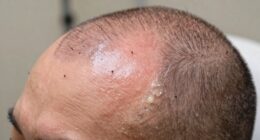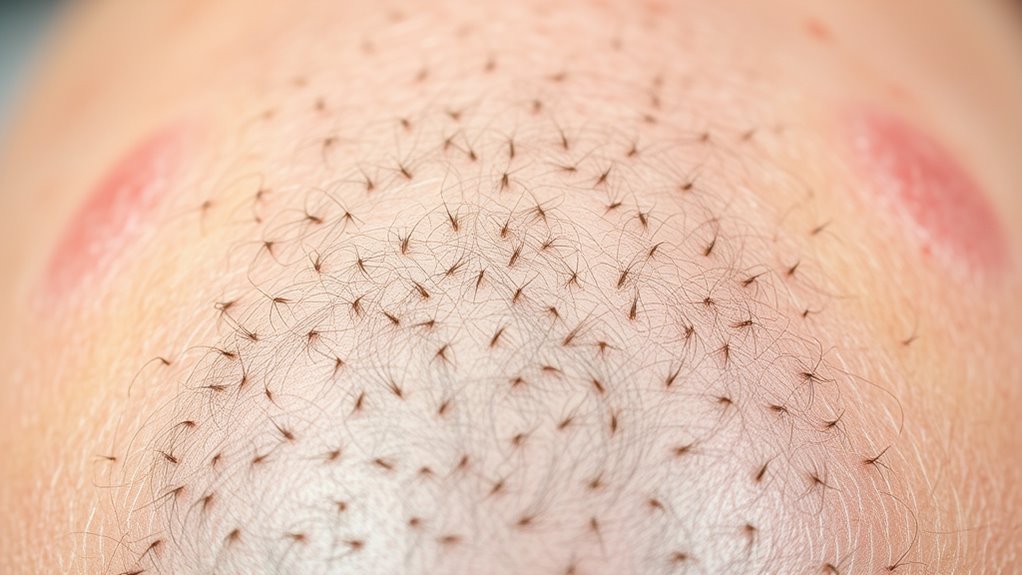

A hair transplant involves extracting healthy hair follicles from donor areas and implanting them into bald spots, using advanced techniques like FUE for minimal scarring and natural results. The process typically takes several hours, with the recovery period lasting a few days to weeks, during which you should follow your doctor’s care instructions. Slight swelling and scabbing are normal, and full results develop over months. Stick around to discover more about how technology makes this procedure safer and more effective.
Key Takeaways
- The hair transplant process involves evaluating the scalp, extracting healthy follicles, and implanting them into balding areas using advanced techniques like FUE.
- Modern methods minimize trauma, enhance natural results, and reduce recovery time through technological advancements.
- Post-operative care includes managing swelling, following washing instructions, protecting from sun exposure, and gradually resuming daily activities.
- Recovery typically involves mild soreness and scabbing, with full results developing over several months.
- Choosing a clinic with the latest technology and skilled professionals is crucial for successful, natural-looking outcomes.
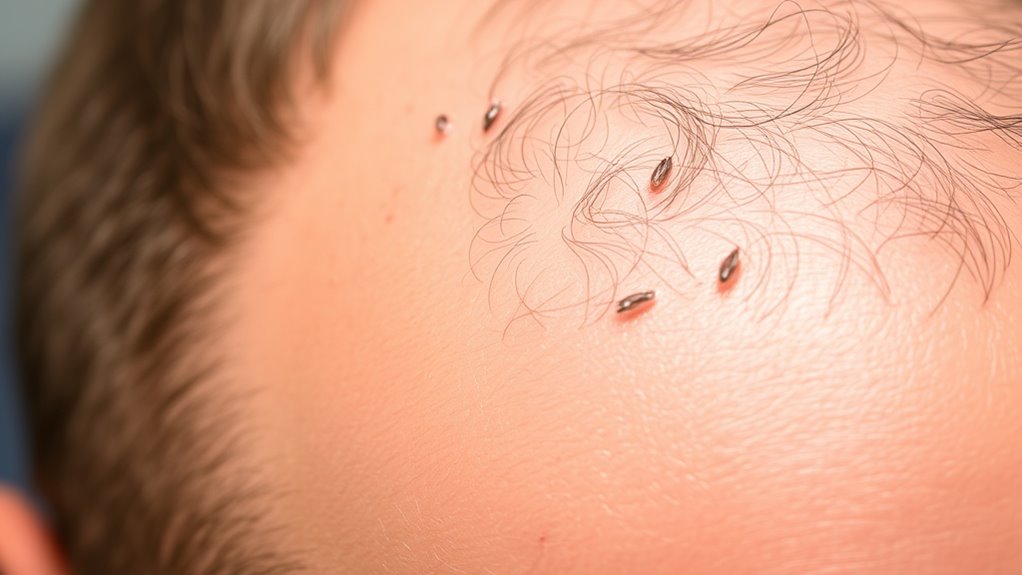
Hair transplants have become a popular solution for those looking to restore hair loss and boost confidence. If you’re contemplating this procedure, understanding the process and what to expect during recovery can help you make informed decisions. One of the first things to weigh is the cost, which varies depending on several factors. The overall cost considerations often include the extent of hair loss, the technique used, and the geographic location of the clinic. While some clinics may offer lower prices, it’s essential to prioritize quality and results, as cheaper options might compromise the success of your transplant. Luckily, technological advancements have played a significant role in making hair transplants more effective and accessible. Modern techniques, such as Follicular Unit Extraction (FUE), allow for minimally invasive extraction and implantation, reducing discomfort and recovery time. These advancements also improve the natural appearance of your hair, making the results more seamless and long-lasting.
When you undergo a hair transplant, the surgeon will first evaluate your scalp and hair loss pattern. The process typically starts with the extraction of healthy hair follicles from the donor area, usually at the back or sides of your head, where hair tends to be more resistant to shedding. Using advanced tools, the surgeon carefully harvests these follicles, ensuring minimal trauma to the tissue. The new follicles are then implanted into the areas where hair thinning has occurred. Thanks to technological improvements, the procedure is now more precise, allowing for better graft survival and a more natural hairline. You might find that the entire process takes several hours, and some clinics now offer options for sedation or anesthesia to keep you comfortable throughout.
Additionally, understanding the importance of advanced surgical techniques can help you select a clinic that offers the latest and most effective options. Recovery from a hair transplant varies but generally involves a few days of mild swelling, soreness, or scabbing at the donor and recipient sites. You’ll need to follow your doctor’s instructions carefully, which might include gentle washing, avoiding strenuous activity, and protecting your scalp from sun exposure. Thanks to technological advancements in post-operative care and surgical techniques, recovery has become smoother and quicker for most patients. You can usually return to work within a few days, but full results may take several months to become evident as the transplanted hair begins to grow. Overall, understanding the process, cost considerations, and the impact of technological progress can help you approach your hair restoration journey with confidence.
Frequently Asked Questions
What Are the Long-Term Success Rates of Hair Transplants?
Your long-term success rate for hair transplants is high, typically around 85-95%. This depends on factors like your scalp donor area and how many hair grafts are transplanted. When you follow proper post-surgery care, your transplanted hair should grow naturally and last a lifetime. Choosing an experienced surgeon guarantees better results, maximizing your chances of achieving a full, natural look with durable, permanent hair growth.
Can Hair Transplants Be Done on Women With Diffuse Thinning?
Yes, hair transplants can be done on women with diffuse thinning, but success depends on the pattern and extent of hair loss. Female pattern hair thinning often involves widespread thinning, making it challenging to find healthy donor areas. However, skilled surgeons can tailor treatments, using techniques like follicular unit extraction, to improve results. Keep in mind, early intervention usually yields better outcomes, so consult a specialist to explore your options.
Are There Any Age Restrictions for Undergoing a Hair Transplant?
Age considerations vary, but generally, you should be at least 25 before getting a hair transplant. Adolescents are usually not ideal candidates due to ongoing hair loss and hormonal changes. Your surgeon assesses your overall health, hair loss pattern, and stability before recommending the procedure. If you’re younger, they might suggest waiting until your hair loss stabilizes for better, more natural results.
How Do I Choose the Best Surgeon for My Procedure?
Start with scrutinizing surgeon credentials to verify skill and specialization. Seek a seasoned specialist with a stellar reputation, and schedule a thorough consultation process. During this consult, ask about their experience, view before-and-after photos, and discuss your goals openly. A confident, communicative clinician demonstrates competence and care, helping you choose the best surgeon. Trust your instincts, and prioritize professionalism, precision, and patient satisfaction to make the most informed decision.
What Are the Potential Side Effects Immediately After Surgery?
Right after your hair transplant, you might notice scalp swelling and temporary numbness. These side effects are common and usually subside within a few days. Swelling can cause your forehead to appear puffy, while numbness may make your scalp feel less sensitive. To minimize discomfort, follow your surgeon’s post-op instructions, keep your head elevated, and avoid touching or scratching the area. If symptoms persist, contact your doctor promptly.
Conclusion
Now that you know how hair transplants work and what to expect during recovery, you’ll feel more confident about the process. Did you know that over 85% of hair transplant patients see significant results within a year? With proper care and realistic expectations, you can enjoy a natural-looking hairline and renewed confidence. Remember, understanding the procedure helps you make informed decisions, so stay proactive and consult with a specialist to achieve the best outcome.