
When choosing between natural and synthetic hair extensions, consider your style, lifestyle, and budget. Natural hair offers a realistic look and the flexibility to style with heat or dye, making it ideal for regular wear and versatile styling. Synthetic options are more affordable and low-maintenance but don’t respond well to styling heat. To find the perfect match that suits your needs, explore the pros and cons further for an informed decision.
Key Takeaways
- Human hair extensions offer a natural look, styling flexibility, and can be dyed or heat-styled, making them ideal for long-term use.
- Synthetic hair is more affordable, low-maintenance, and resistant to humidity, suitable for temporary or occasional wear.
- Natural extensions tend to last longer with proper care, while synthetic options have a shorter lifespan.
- Consider your lifestyle, styling preferences, and budget when choosing between authentic and synthetic hair extensions.
- Proper understanding of hair material helps maintain hair health and achieve a seamless, natural appearance.
Choosing hair extensions can dramatically transform your look, but selecting the right type requires careful consideration. When deciding between different extension methods, you’ll need to weigh options like clip-in versus tape-in extensions, as well as the differences between human and synthetic hair. Each choice impacts how natural your hair looks, how long the extensions last, and how much maintenance they require.
Choosing the right hair extensions depends on your style, lifestyle, and maintenance preferences.
If you’re looking for versatility and ease of use, clip-in extensions are a popular choice. They’re quick to put in and remove, making them ideal for occasional wear or special events. With clip-ins, you can easily switch up your style without committing to a long-term solution. On the other hand, tape-in extensions offer a more semi-permanent option. They are bonded directly to your natural hair with adhesive tape, providing a sleek, seamless look that lasts for several weeks. Tape-ins are more suitable if you want a longer-lasting extension that mimics natural hair growth and can be styled just like your own hair.
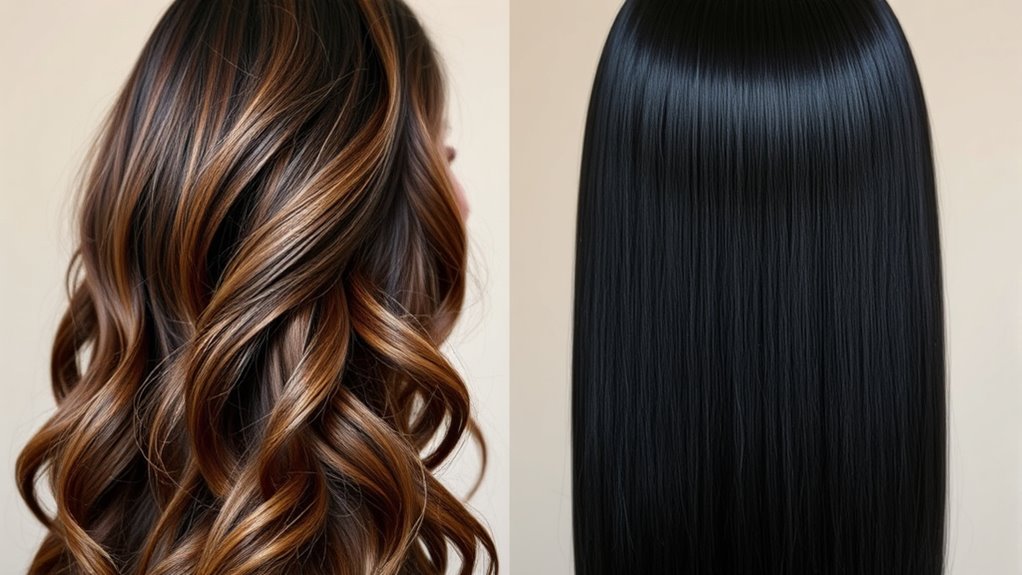
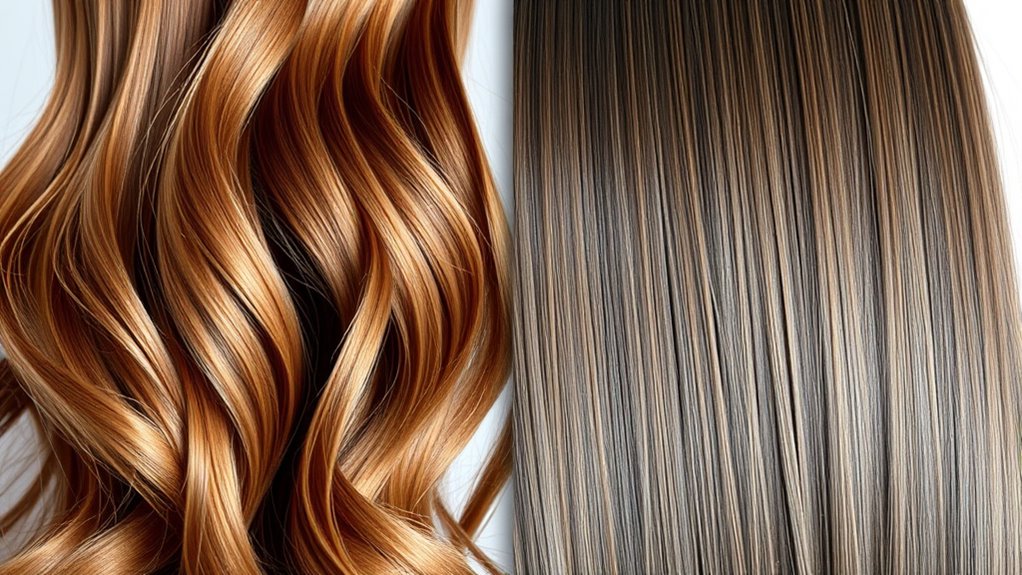
Now, when it comes to choosing between human and synthetic hair, the decision largely depends on your lifestyle, budget, and desired appearance. Human hair extensions are prized for their natural look and feel. They blend seamlessly with your natural hair, can be styled with heat tools, and dyed to match your current hair color. This flexibility makes them a favorite among those who want a truly authentic look and the ability to customize their style. Synthetic hair, however, tends to be more affordable and low-maintenance. It holds its style well without heat styling and is resistant to humidity, making it a good choice for temporary or occasional use. But synthetic fibers don’t respond well to heat and can look less natural, especially upon close inspection.
Understanding the differences between clip-in and tape-in extensions, as well as human versus synthetic hair, helps you make a more informed decision that aligns with your needs. If you want something quick and versatile, clip-ins made of synthetic hair can be a good starting point. But if you’re after a more natural, long-lasting solution, investing in tape-in extensions made with human hair might be the better option. Ultimately, your choice will depend on how often you wear extensions, your styling preferences, and your budget. Taking the time to evaluate these factors ensures you select the right extensions that enhance your look while fitting comfortably into your lifestyle. Additionally, understanding the types of hair materials can help you make choices that support your hair health and longevity of the extensions.
Frequently Asked Questions
Are Natural Hair Extensions More Environmentally Sustainable Than Synthetic Ones?
Natural hair extensions are generally more environmentally sustainable than synthetic ones because they have a lower environmental impact during production. They’re biodegradable and often sourced ethically, reducing sustainability concerns. Synthetic extensions, on the other hand, involve chemicals and non-biodegradable materials, which contribute to pollution. If you’re mindful of environmental impact, choosing natural hair helps minimize sustainability concerns and supports eco-friendly practices.
How Do Synthetic Hair Extensions Hold up in Humid Weather?
Synthetic hair extensions often struggle in humid weather, so humidity impact can cause them to frizz or lose their style quickly. You might find styling challenges increase, as they tend to tangle more and resist holding curls or straight styles. However, if you prefer low-maintenance options, synthetic extensions could still work for you, just be prepared for some extra care during humid days to keep them looking their best.
Can Natural Hair Extensions Be Dyed or Styled Like Real Hair?
Yes, natural hair extensions can be dyed and styled just like real hair. You have more dyeing options and styling flexibility with natural hair because it responds well to heat styling tools and chemical treatments. You can change colors, add highlights, or experiment with different styles. Just remember to use gentle products and avoid excessive heat to keep your extensions looking their best and maintain their longevity.
What Is the Typical Lifespan Difference Between Natural and Synthetic Extensions?
You might think synthetic extensions last just as long, but natural hair extensions usually have a better durability comparison, often lasting 3-6 months with proper care. Synthetic ones tend to need replacing every 1-3 months. While natural extensions require more maintenance, they’re more resilient over time. If longevity matters, investing in natural hair can be smarter, as they handle styling and washing better, reducing frequent replacements.
Are There Health Risks Associated With Synthetic Hair Extensions?
Synthetic hair extensions can pose health risks like allergic reactions and chemical exposure. You might experience skin irritation or itching if you’re sensitive to certain dyes or synthetic fibers. Additionally, the manufacturing process often involves chemicals that can irritate your scalp or cause allergic responses. To stay safe, always do a patch test before installation and choose high-quality, heat-resistant synthetic options to minimize potential health issues.
Conclusion
Ultimately, choosing between natural and synthetic hair extensions is like selecting your own vibrant garden or a carefully crafted sculpture. Both can enhance your style, but each has its unique charm and upkeep. Imagine your hair as a canvas—natural extensions offer the lush, flowing strokes of real paint, while synthetic ones provide bold, vibrant colors that stay forever. Whichever you pick, embrace your personal masterpiece and let your confidence shine through every strand.