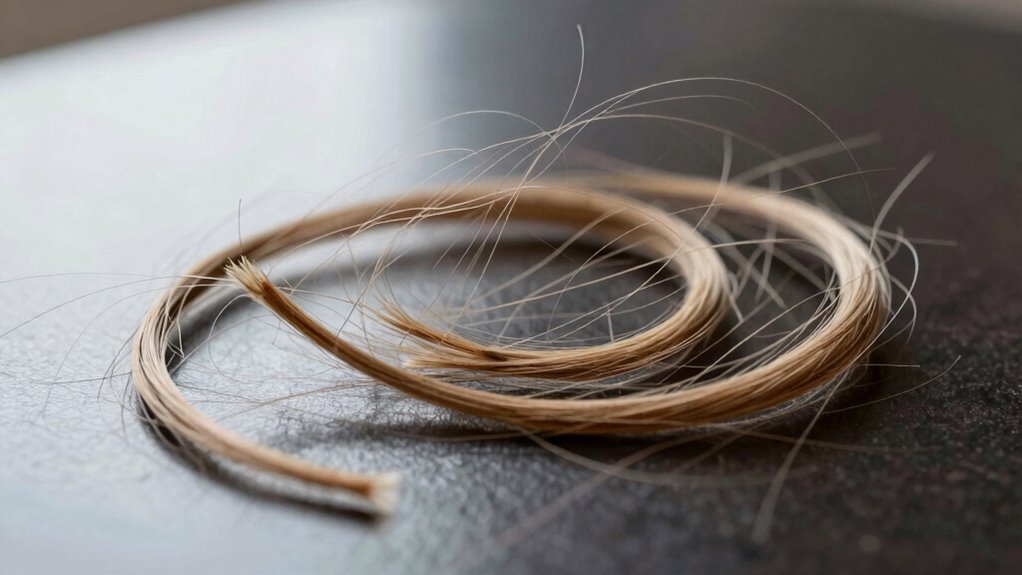

To tell if your hair is shedding or breaking, look closely at your strands and scalp. Shedding strands usually have a healthy, rounded root bulb and are of similar length, indicating natural hair fall. Breakage, however, results in frayed or uneven ends, shorter pieces, and damaged roots. Pay attention to scalp health and strand texture, as these clues help identify the cause. Keep exploring for more tips to uncover what’s really happening with your hair.
Key Takeaways
- Check if hair roots are rounded and intact; damaged or frayed roots indicate breakage, while healthy roots suggest shedding.
- Observe hair length consistency; uniform length points to shedding, whereas uneven, shorter pieces indicate breakage.
- Gently pull on hair; easy breakage suggests weak hair (breakage), while hair coming out from the root indicates shedding.
- Examine hair ends; frayed or split ends signify breakage, smooth ends with thinning areas suggest shedding.
- Assess scalp health; irritation or dryness often accompanies breakage, while a healthy scalp with thinning indicates shedding.
How Can You Tell If Your Hair Is Shedding or Breaking?

How can you tell if your hair is shedding or breaking? First, look at your hair color and scalp health. Hair shedding usually results in hair strands with a natural root bulb, indicating they’ve fallen out from the follicle. These strands often appear on your brush, pillow, or shower drain and are generally uniform in length. If your scalp looks healthy and free of irritation, it’s likely shedding. Conversely, breakage creates shorter, uneven hair fragments that often come from damage or dryness. These pieces may have frayed ends or look frizzy, and your scalp might appear healthy or slightly dry. Paying attention to these details helps you distinguish between natural shedding and breakage, guiding you toward appropriate care. Additionally, understanding free floating hairs can assist in identifying whether the hair loss is due to shedding or breakage. Recognizing the hair growth cycle can further clarify the underlying cause of your hair loss pattern. Being aware of hair loss patterns can also help determine whether your hair loss is due to breakage or shedding. It’s also helpful to consider hair density and how it changes over time to better understand the cause of your hair concerns.
What Causes Hair Shedding Compared to Breakage?

Understanding what causes hair shedding versus breakage can help you address the underlying issues more effectively. Hair shedding typically occurs when your hair naturally falls out during the hair growth cycle, often influenced by factors like hormones, stress, or medical conditions. Poor scalp health, such as inflammation or dandruff, can also lead to increased shedding. On the other hand, breakage results from weakened hair strands that snap or split due to damage from heat styling, harsh chemicals, or rough handling. To differentiate these causes, a hair density analysis can reveal if your overall hair volume is decreasing or if individual strands are fragile. Recognizing these differences helps you target treatments, whether improving scalp health to reduce shedding or strengthening hair to prevent breakage. Additionally, color accuracy and proper lighting conditions can affect how you perceive hair health and damage. Being aware of the hair growth cycle can further assist in identifying whether your hair loss is temporary or ongoing. Furthermore, using hair care products formulated for damage repair can support the recovery of weakened strands. Understanding the causes of hair loss can also guide you toward more effective solutions.
How to Check Your Hair Strands for Breakage
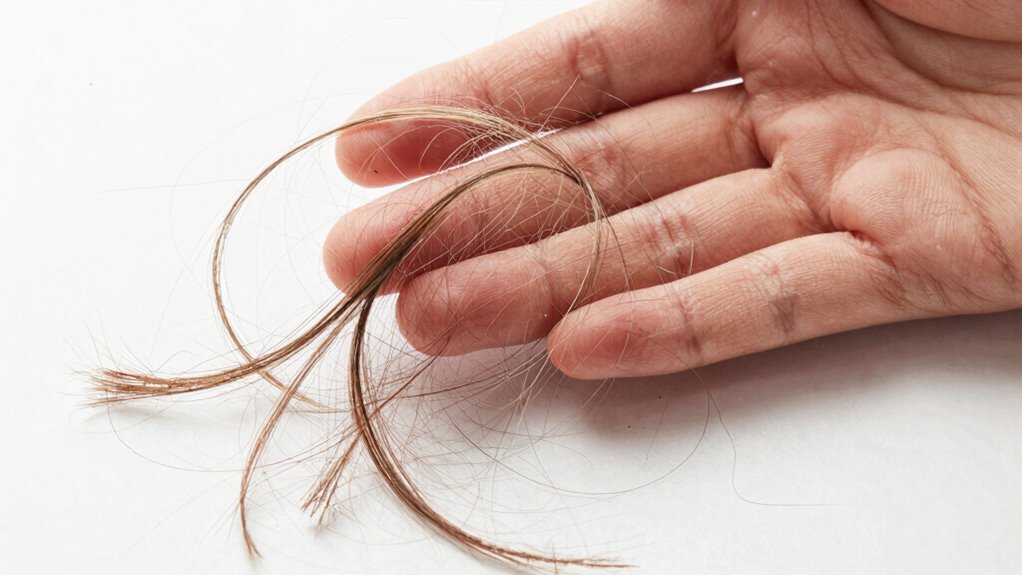
When evaluating whether your hair is experiencing breakage, examining individual strands can provide valuable insight. Look closely at the hair’s ends; if they appear frayed, split, or thin, it’s a sign of breakage. You can also perform a simple test by gently pulling on a strand—if it breaks easily, it may have low hair protein content, weakening its structure. Conducting a scalp health analysis helps identify factors contributing to breakage, such as dryness or scalp irritation. Healthy scalp conditions support stronger hair strands with better protein content. Using a hair strength test can further help determine the resilience of your strands and guide your care routine. Use a magnifying glass to inspect strands for damage or split ends. Regularly checking your hair’s condition helps you catch breakage early and adjust your hair care routine accordingly, preventing further damage. Understanding hair health indicators can guide you in choosing appropriate treatments and strengthening strategies. Additionally, monitoring your scalp condition regularly ensures that underlying issues don’t go unnoticed, promoting overall hair strength. For comprehensive care, consider consulting a specialist who can evaluate both scalp and hair health comprehensively.
Does Hair Length Help Distinguish Breakage From Shedding?

Hair length can offer clues in distinguishing between breakage and shedding, but it doesn’t tell the whole story. If your hair is shedding naturally, the strands tend to be of similar length, often matching your overall hair length. In contrast, breakage typically results in shorter hair strands because the hair breaks unevenly along the shaft. Breakage patterns often show up as irregularly short pieces, especially near the ends or around the crown. Additionally, damage from styling methods can accelerate breakage, leading to more inconsistent hair lengths. Damage from harsh chemicals or heat styling can also weaken hair, increasing the likelihood of breakage and complicating the pattern. However, if you notice a sudden increase in short, broken hairs mixed with longer ones, it’s likely breakage. Conversely, consistent shedding of longer strands points to normal hair loss. Keep in mind, hair length alone isn’t definitive—consider the pattern and condition of your hair for a more accurate assessment. Understanding the causes of hair damage can also help in addressing the root issues leading to breakage, such as hair care practices, environmental factors, and the effects of high-tech vapes on overall health.
Signs That Your Hair Loss Is Due to Breakage or Shedding

Identifying whether your hair loss is due to breakage or shedding can be straightforward if you pay attention to specific signs. If your hair breaks easily or appears shorter with rough ends, it’s likely breakage. Conversely, if you’re losing hair strands from the root, especially during washing or brushing, it’s shedding. Watch for scalp irritation or hair dye reactions, which often trigger breakage. Also, noticing hair thinning over time suggests shedding. Here’s a quick comparison:
| Sign | Breakage | Shedding |
|---|---|---|
| Hair appearance | Short, uneven ends | Longer strands from root |
| Hair loss pattern | Frayed, damaged tips | Hair thinning overall |
| Additional signs | Scalp irritation, hair dye reactions | Excess hair in brush or drain |
How to Track Hair Fall Patterns Over Time
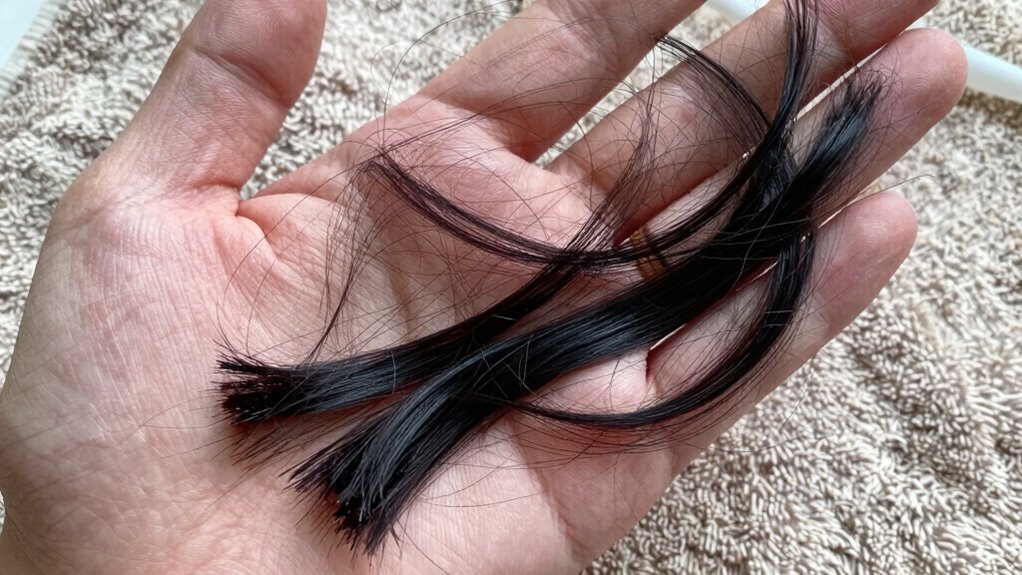
Tracking your hair fall patterns over time helps you understand the underlying cause of your hair loss and determine whether it’s due to breakage or shedding. To do this, observe how much hair you lose daily and note any changes in your hair density. Keep a consistent record by collecting fallen hairs in a dedicated container or on a sheet of paper. Pay attention to whether the hair comes from specific areas or all over your scalp. Monitoring your scalp health is also vital—look for signs like redness, irritation, or flakiness, which can affect hair fall. Regularly evaluating these patterns helps you identify trends and triggers, enabling you to address issues early and seek professional advice if needed. Utilizing effective study techniques can further improve your understanding of hair health and related issues, including scalp conditions that influence hair fall. Incorporating proper scalp care into your routine enhances your ability to detect early signs of problems and supports overall hair health. Additionally, understanding smart home technology solutions for monitoring health can assist in tracking scalp and hair conditions more effectively, especially when combined with Vetted – wave and wind insights for environmental factors that impact hair health.
Why Recognizing Hair Damage Matters for Your Hair Routine
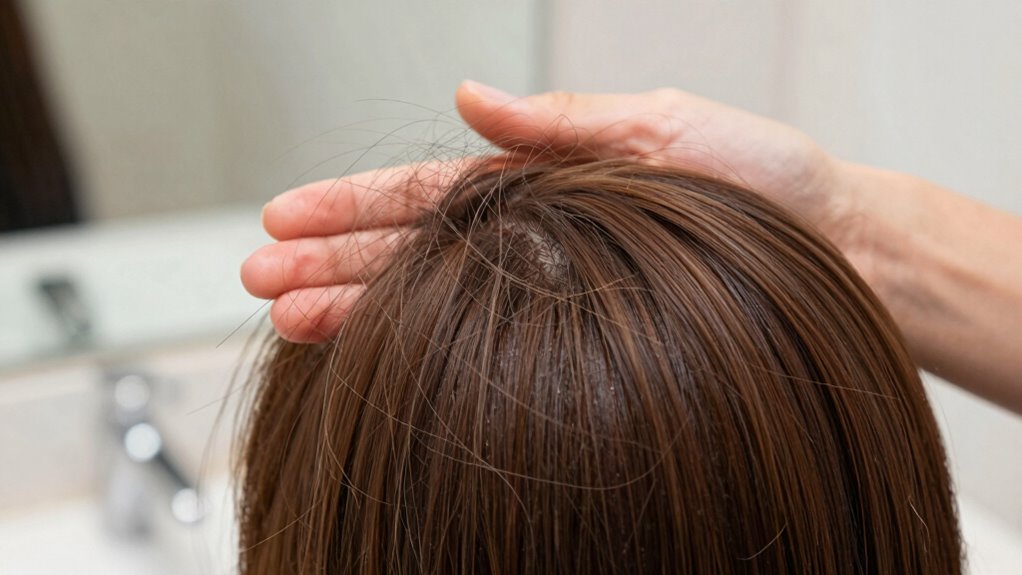
Recognizing hair damage helps you understand how it affects your hair growth and overall health. By identifying damage patterns, you can adjust your routine to prevent further breakage. This awareness allows you to develop a more effective hair care routine that keeps your hair strong and healthy. Additionally, understanding the importance of proper hair care practices can help you maintain the integrity of your hair and avoid unnecessary damage.
Impact on Hair Growth
Understanding the difference between hair breakage and shedding is essential because damage can profoundly slow down your hair growth. When your hair is damaged, it disrupts the natural hair growth cycles, causing your strands to weaken or fall prematurely. Poor scalp health also hinders follicle function, further impeding growth. Recognizing whether you’re experiencing breakage or shedding helps you adjust your routine effectively.
| Hair Issue | Effect on Growth |
|---|---|
| Breakage | Shortens hair length; weakens strands |
| Shedding | Depletes hair volume; slows regrowth |
| Healthy Hair | Promotes strong, continuous growth |
Identifying Damage Patterns
Identifying damage patterns in your hair is essential because different issues require different solutions. Recognizing whether your hair shows signs of breakage, thinning, or split ends helps you tailor your scalp health and hair porosity management. Damage patterns can reveal if your hair is highly porous, leading to moisture loss and brittleness, or if your scalp is dry or inflamed, indicating underlying problems. By observing specific damage types, you can adjust your routine effectively. For example, brittle ends suggest over-processing, while excessive shedding may point to scalp issues. Understanding these patterns empowers you to choose appropriate treatments and prevent further damage. Proper identification ensures your hair stays healthy, resilient, and vibrant.
Improving Hair Care Routine
Knowing the specific damage patterns in your hair allows you to tailor your hair care routine effectively. When you recognize whether your hair is breaking due to damage or shedding naturally, you can choose appropriate hair care tips to improve scalp health and strengthen strands. For instance, if you notice breakage, focus on gentle cleansing, reducing heat styling, and using nourishing treatments. Proper scalp health is essential, so avoid harsh chemicals or overwashing, which can strip natural oils. Incorporate regular scalp massages and moisturizing products to stimulate circulation and keep your scalp healthy. Adjusting your routine based on damage patterns helps prevent further harm, promotes healthier hair growth, and assures your hair remains strong and resilient over time.
When Should You See a Professional About Persistent Hair Loss?
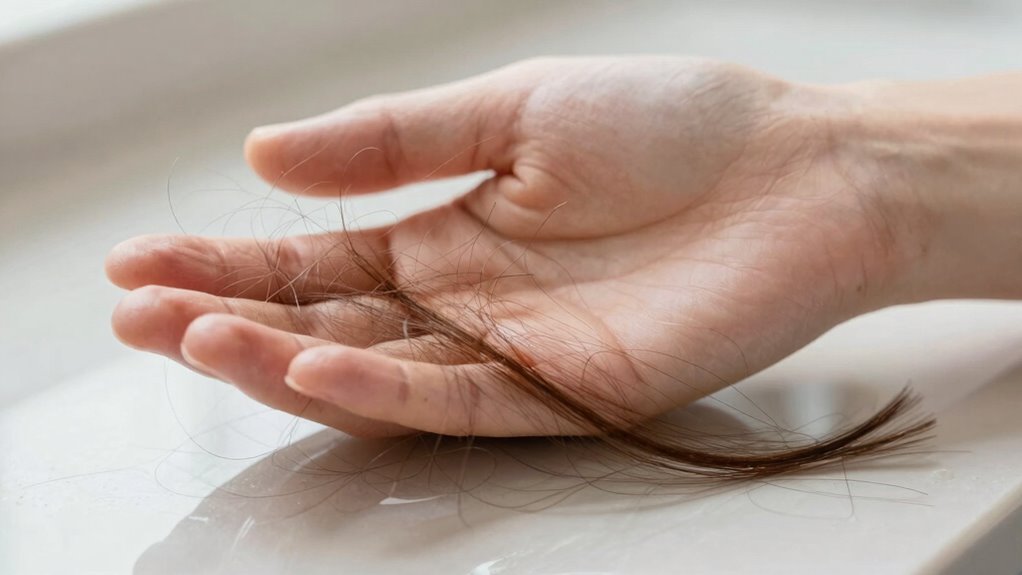
If your hair loss persists for several months or worsens over time, it’s time to see a professional. Pay attention to the pattern and severity—sudden or patchy loss needs prompt evaluation. Also, watch for symptoms like scalp redness, pain, or itching, which can indicate underlying issues requiring expert care.
Duration of Hair Loss
Persistent hair loss that lasts longer than three to six months warrants a consultation with a professional. If your hair isn’t regrowing or shedding continues, it’s time to seek expert advice. Monitoring how long your hair loss persists helps determine if it’s temporary or a sign of an underlying issue. Changes in hair color or scalp health can signal problems needing treatment. Keeping track of the duration also helps your doctor identify patterns, such as sudden or gradual hair loss. Remember, persistent loss can impact your confidence and scalp condition. Addressing it early can prevent further damage and promote healthier hair growth. Don’t delay if you notice ongoing shedding, a dull scalp, or changes in hair texture. The sooner you act, the better your chances of finding effective solutions.
Pattern and Severity
Recognizing when to see a professional is essential, especially if your hair loss follows a specific pattern or becomes severe. If you notice a receding hairline, thinning crown, or patchy bald spots, it could indicate underlying issues affecting your scalp health. Additionally, if hair loss worsens despite changes in hair coloring routines or hair care, it’s time to seek expert advice. Severe hair loss that impacts your confidence or daily life should not be ignored. Pay attention to how your hair sheds—whether gradually or suddenly—and whether it’s uniform or patchy. A professional can evaluate underlying causes, including scalp conditions or hair damage from coloring treatments, to recommend targeted solutions and prevent further loss.
Accompanying Symptoms
You should consider seeing a professional about persistent hair loss when you notice accompanying symptoms such as scalp itching, redness, or inflammation, which may indicate underlying conditions. Changes in scalp health, like flakiness or soreness, can also signal issues with hair porosity or scalp infections. These symptoms often point to problems beyond normal shedding, requiring expert evaluation. Monitoring these signs helps determine if your hair loss is due to internal factors or scalp health concerns. Addressing these early can prevent further damage. If these symptoms persist or worsen, it’s a good idea to seek professional advice promptly. Recognizing these signs ensures you get the right treatment and maintain healthy hair. Remember, healthy scalp conditions are essential for overall hair strength and growth.
- Persistent itching or redness
- Inflammation or soreness
- Flakiness or scalp irritation
- Sudden changes in hair texture
Tips to Reduce Hair Breakage and Strengthen Your Hair
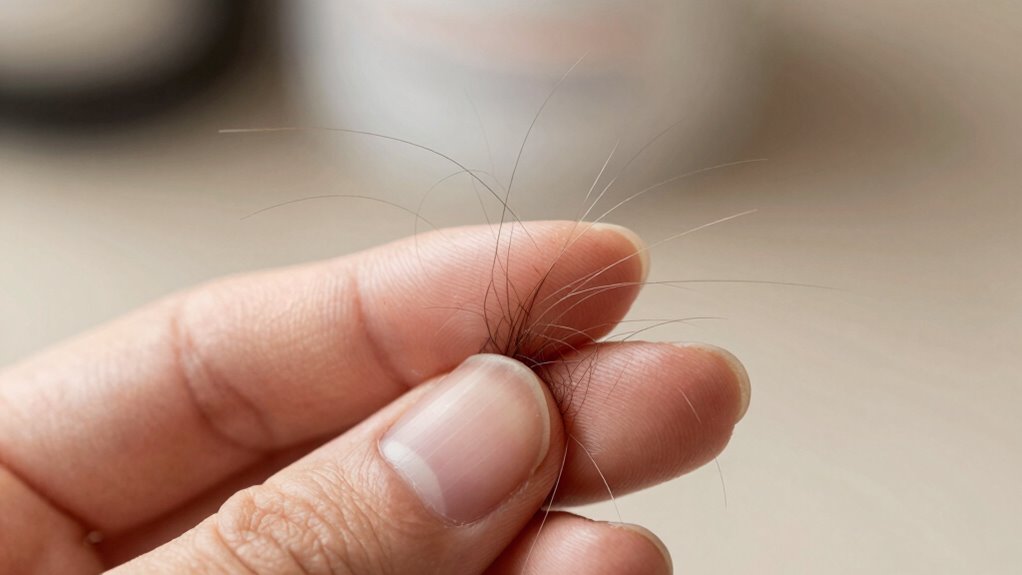
To effectively reduce hair breakage and strengthen your hair, adopting a gentle hair care routine is essential. Use soft hair styling methods that minimize tension, like avoiding tight ponytails or braids. Opt for wide-tooth combs and gentle detangling to prevent unnecessary stress on strands. Prioritize scalp health by keeping your scalp clean and moisturized, which promotes stronger hair from the root. Incorporate nourishing treatments, such as deep conditioning masks and hair oils, to boost resilience. Limit the use of heat styling tools, and always apply a heat protectant when you do use them. Avoid harsh chemical treatments that weaken hair fibers. By caring for your scalp and handling your hair gently, you’ll reduce breakage and see noticeable improvements in hair strength over time.
Quick Tests to Confirm If Your Hair Loss Is Breakage or Shedding

To figure out if your hair loss is breakage or shedding, start by examining your hair roots—look for broken strands or roots attached to healthy hair. Check how much hair you’re losing; shedding usually involves more hair overall, while breakage results in shorter, damaged strands. Also, observe your hair’s texture—if it feels brittle or frayed, it’s likely breakage rather than shedding.
Examine Hair Roots
Examining the roots of your hair can quickly reveal whether you’re dealing with breakage or shedding. During a hair follicle examination, look at the base of the hair strand to assess its condition. A healthy scalp and hair root typically indicate shedding, while broken or frayed roots suggest breakage. Conducting a scalp health assessment helps identify underlying issues like dryness or inflammation that can cause breakage.
Consider these points:
- Roots with intact, rounded bulbs point toward shedding.
- Frayed or damaged roots suggest breakage.
- A healthy scalp usually supports natural hair shedding.
- Signs of scalp irritation or dryness may contribute to breakage.
This quick check guides you toward understanding your hair loss pattern.
Check Hair Quantity
After inspecting your hair roots, it’s helpful to perform quick tests to determine whether your hair loss is due to breakage or shedding. Check your hair density by gently pulling on small sections of hair. If you notice a significant decrease in the amount of hair, it may indicate shedding. Conversely, if hair loss occurs mainly from breakage, your scalp might look healthy, with enough hair but shorter or damaged strands. Pay attention to scalp health—an inflamed or irritated scalp could contribute to shedding, whereas a healthy scalp with thin, broken hairs suggests breakage. Take note of how much hair you lose during brushing or washing. Consistent, large amounts of hair falling out from the root point to shedding, while less hair with signs of damage hints at breakage.
Observe Hair Texture
Observing your hair texture can provide quick clues about whether your hair loss is due to breakage or shedding. If your hair feels brittle, fragile, or uneven in texture, it’s likely breakage caused by damage or stress. Conversely, if your hair feels soft and smooth and you notice thinning areas, shedding might be the culprit, especially if your scalp condition appears healthy. Pay attention to the hair ends—split ends or frayed tips often indicate breakage. Also, assess your scalp: a healthy scalp suggests shedding, while irritation or dryness could signal damage leading to breakage.
- Hair that feels rough or brittle points to breakage.
- Smooth, soft hair indicates shedding.
- Frayed ends are signs of breakage.
- Healthy scalp condition favors shedding over breakage.
Frequently Asked Questions
Can Hair Breakage Occur Without Noticeable Hair Loss?
Yes, hair breakage can happen without noticeable hair loss. When your hair develops split ends or becomes fragile from damage, it may break off before it falls out naturally. You might notice short, uneven strands or a thinning appearance, especially if your hair color is lighter and shows damage more easily. Regular trims, gentle handling, and nourishing treatments help prevent breakage and keep your hair healthy.
Does Scalp Health Influence Hair Breakage Versus Shedding?
Yes, scalp health can influence whether your hair breaks or sheds. When your scalp lacks moisture or follicle health declines, your hair becomes more fragile, leading to breakage instead of shedding. You might notice shorter, broken strands rather than full hair loss. Keep your scalp nourished and moisturized to strengthen follicles, reducing breakage. Don’t wait—your scalp’s condition could be the key to healthier, more resilient hair.
Are Certain Hair Care Products More Effective for Preventing Breakage?
You can prevent breakage by choosing hair care products with nourishing ingredients like keratin, biotin, and natural oils. Always pay attention to application techniques—gently massage shampoos into your scalp and avoid rough towel drying. Use conditioners and treatments designed for strengthening hair, ensuring even distribution. Regularly updating your routine with these products and proper application helps minimize breakage and keeps your hair healthier and more resilient over time.
How Does Hair Texture Affect Breakage and Shedding Patterns?
Your hair texture influences both breakage and shedding patterns. If you have fine or thin hair, you’re more prone to breakage because it’s weaker and less resilient. Curly or coarse hair might shed more visibly but is less likely to break prematurely. Understanding your hair texture helps you choose the right products and techniques to minimize breakage patterns, promoting healthier, stronger hair overall.
Can Diet Changes Reduce Hair Breakage and Improve Hair Strength?
Yes, diet improvement can reduce hair breakage and boost strength. Focus on nutrients like biotin, iron, zinc, and vitamins A, C, and E, which support healthy hair. If you have a nutrient deficiency, your hair becomes weaker and more prone to breakage. Incorporate foods rich in these nutrients, such as eggs, nuts, leafy greens, and fish, to strengthen your hair from within and minimize breakage over time.
Conclusion
Understanding whether you’re experiencing hair shedding or breakage is key to proper care. Remember, some believe trimming regularly reduces breakage, but research shows it’s more about strengthening hair strands. Don’t rely solely on length changes—inspect your hair carefully. Recognizing the difference helps target the right solutions, so don’t hesitate to see a professional if you’re concerned. Proper diagnosis and care truly make a difference in maintaining healthy, resilient hair.