
TL;DR

Get beauty and skincare favorites delivered free with Prime
- Fast, free delivery on millions of items
- Prime Video, Amazon Music and more included
- Member-only deals all year
Marie Claire published a fashion-editor guide to assembling a winter capsule wardrobe from versatile cold-weather basics, including knitwear, coats, jeans and walkable shoes. The report recommends choosing pieces that work together and can be worn repeatedly; it does not present a single required wardrobe or establish that the recommendations suit every budget, climate or personal style.
Marie Claire has published a fashion-editor guide to building a winter capsule wardrobe, recommending a focused mix of knitwear, coats, layering tops, trousers, jeans and practical footwear. The report’s central advice is to prioritize versatile pieces that can be worn together repeatedly, rather than treating winter dressing as a reason to replace an entire closet.
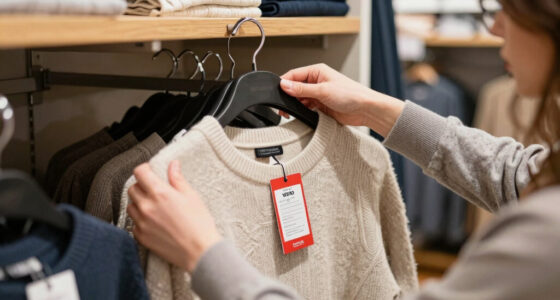
The guide presents knitwear as a foundation, highlighting wool and cashmere turtlenecks and crewneck sweaters for layering or wearing with jeans and tailored trousers. It also recommends long-sleeved tops as lighter base layers, with straight-leg jeans and wool trousers offering two different options for everyday and more dressed-up outfits. These are editorial suggestions, not a formal list of requirements.
For outerwear, the report pairs a wool wrap coat with a puffer jacket: the first for a more tailored look, and the second for colder conditions. It also names beanies and scarves as useful cold-weather accessories, and suggests flat leather boots and walkable sneakers for comfort. The examples include products from a range of fashion brands, but the source does not compare their prices, performance or availability.
The selection is framed around repeat wear and flexibility. The report argues that pieces should work both independently and in combinations, helping reduce the time spent deciding what to wear. It favors intentional choices over impulse purchases, but provides no quantified estimate of savings, environmental impact or time saved.
A Smaller, More Flexible Winter Closet
The guide is aimed at a common practical problem: staying warm while choosing outfits from clothes that coordinate. Its suggested categories—layers, dependable bottoms, outerwear and comfortable shoes—offer readers a framework for reviewing what they already own before buying more. That approach may be useful to shoppers trying to make a limited number of items work across different settings, although the article does not test the results.
Its emphasis on repeat wear rather than a full seasonal overhaul also makes the advice broader than a list of particular products. Readers can apply the categories with pieces already in their closets or seek alternatives at different price points. The report’s named brand examples are shopping suggestions, not evidence that those products are necessary or superior.
women's winter cashmere turtleneck sweater
As an affiliate, we earn on qualifying purchases.
As an affiliate, we earn on qualifying purchases.
The Guide’s Core Wardrobe Categories
The source report organizes its recommendations by clothing type rather than offering a fixed number of items. It covers cashmere and wool knits, long-sleeved layering tops, straight-leg jeans and tailored trousers, alongside two kinds of coat. Accessories and footwear round out the proposed selection.
That structure reflects the guide’s stated aim: pieces should combine easily and serve more than one outfit. The source names examples from brands including J.Crew, Madewell, Max Mara, The Row, Levi’s, Aritzia, The North Face, adidas and Nike. It does not give a capsule checklist, a required color palette, or a budget-based shopping plan.
Limits of the Product Advice
The source does not provide a publication date in the material supplied, and it is not clear whether every named product is currently in stock or whether listed items have changed since publication. No prices or comparative testing are included in the supplied report.
The recommendations are editorial guidance, not a universal formula. The source does not specify how many pieces readers should own or address differences in climate, work requirements, accessibility needs, personal taste or budget. Its claims about convenience and repeat wear are presented as the guide’s rationale, not as measured outcomes.
How Readers Can Apply the Advice
The report does not announce a follow-up, product test or later milestone. Readers can use its categories as a starting point by identifying the layers and shoes they wear most, then checking which existing items work together before purchasing anything new. Local weather and daily routines can shape which coat or footwear matters most.
Any shopping decision still depends on fit, price, material preferences and availability. The source provides brand examples but does not establish that readers need to buy those specific products; its broader recommendation is to choose a smaller set of adaptable winter pieces.
Key Questions
What is the main recommendation in Marie Claire’s winter capsule guide?
It recommends a focused selection of versatile pieces that can be combined and worn repeatedly, rather than buying a complete new wardrobe for winter.
Which clothing categories does the guide include?
The guide covers knitwear, long-sleeved layering tops, jeans, tailored trousers, wrap coats, puffers, hats, scarves, boots and sneakers.
Does the article say readers need to buy the products it names?
No. The named items are editorial product examples. The report’s broader advice is about choosing useful, mix-and-match pieces, and it does not say that a particular brand or item is required.
Does the guide provide a budget or a fixed number of items?
Not in the supplied source. It offers wardrobe categories and brand examples, but no total item count, budget plan or price comparison.
Source: rss
Halloween Picks
halloween
As an affiliate, we earn on qualifying purchases.