
TL;DR

Get beauty and skincare favorites delivered free with Prime
- Fast, free delivery on millions of items
- Prime Video, Amazon Music and more included
- Member-only deals all year
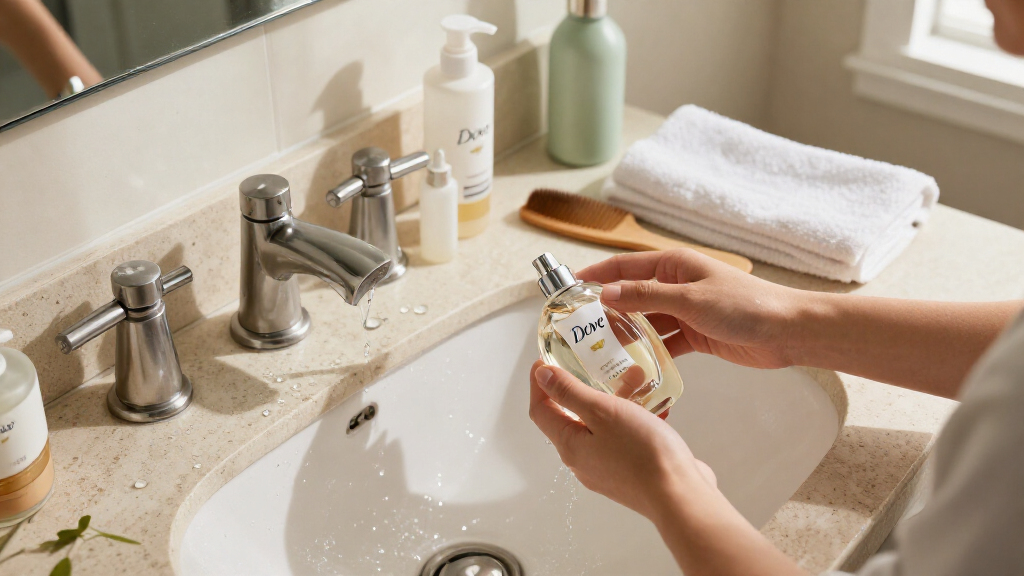
Dove released a limited-edition fine fragrance based on the scent of its Original Beauty Bar, giving consumers a new way to encounter a familiar product. The Cosmetics Business report argues that such limited drops can draw attention back to established products, though it does not provide sales figures or details on the fragrance’s production and performance.
Dove has released a limited-edition fine fragrance based on the scent of its Original Beauty Bar, turning a long-established cleansing product into a new format. A Cosmetics Business opinion article argues that the drop’s marketing value may lie less in creating a new perfume business than in drawing attention back to the bar, although the source provides no sales data to measure that effect.
The fragrance recreates the scent associated with Dove’s Original Beauty Bar, which the article describes as a 69-year-old product. The launch gives consumers another way to experience a scent they may already recognize from using the bar. Dove is owned by Unilever, according to the report.
The article characterizes the release as limited edition and says it sold out quickly. It does not state how many units were available, where or when they were sold, or how quickly the stock was gone. The report suggests the quantity may have been small, but that is presented as an inference, not a disclosed production figure.
Rather than treating the fragrance as a standalone category expansion, the opinion piece frames it as a communications device: a distinctive physical item that can prompt discussion and remind shoppers of the established Beauty Bar. That is the author’s marketing interpretation; the source does not report evidence that the fragrance increased bar sales.
How a New Format Promotes a Classic
For beauty companies with familiar products, the proposal is to make an existing product newly discussable rather than simply add another conventional advertisement. A limited release can give a recognizable product a fresh point of contact with consumers, while the original item remains available through its usual channels.
That approach may be relevant to brands competing for attention across crowded media and retail environments. A product people can see, discuss or share may create a different kind of engagement from a standard campaign. But the Dove example, as presented in the source, is a marketing case study, not proof of commercial impact: no figures establish whether the drop changed awareness, repeat purchases or sales of the Beauty Bar.
Products Worth Considering

Oral-B iO Series 9 Limited Rechargeable Electric Toothbrush with 7 Cleaning Modes

Levoit Vital Pet Pro Smart Air Purifier

Therabody Theragun Mini 3rd Gen Massage Gun (Travel Essential, Black)
As an affiliate, we earn on qualifying purchases.
From Beauty Bar to Fragrance
The Cosmetics Business article describes Dove’s launch as the brand’s first perfume and links the fragrance directly to the smell of its Original Beauty Bar. The product’s significance in the article rests on that connection: consumers are invited to encounter a known brand scent in a category outside Dove’s everyday cleansing products.
The piece compares this approach with Heinz Vintage Drip, a 2022 collaboration between food company Heinz and resale platform thredUP. The collection featured ketchup-stained clothing. As the opinion article explains, the stain made the condiment itself the subject of the joke and the conversation; the clothing did not need to turn Heinz into a fashion company. The comparison is offered as an example of a product-led publicity idea, not as evidence that the two campaigns had similar results.
“A physical product gives people something to turn towards.”
— Cosmetics Business opinion article
Sales Impact Remains Unreported
The source does not provide sales figures, production numbers or consumer research for Dove’s fragrance. It also does not identify the precise launch date, the markets where it was available, its price, or whether the fragrance will be restocked or released again. The report’s statement that it sold out quickly is not accompanied by a timeframe or stock count.
Most importantly, the article does not establish whether attention to the fragrance translated into higher sales or renewed interest in the Original Beauty Bar. Its suggestion that the release can support the hero product is an interpretation of the campaign’s purpose and potential, rather than a measured outcome disclosed in the source.
Whether Attention Reaches the Bar
The source does not announce a follow-up release or describe a next step from Dove. The practical test of the marketing argument would be whether the fragrance generated measurable attention for the Beauty Bar, such as changes in consumer awareness or sales. No such results are reported in the material provided.
For other beauty brands considering a similar limited drop, the article’s lesson is to connect the novelty clearly to an existing product people already recognize. Whether that approach works will depend on execution and evidence gathered after launch; the Dove report leaves those outcomes open.
Key Questions
What did Dove release?
Dove released a limited-edition fine fragrance inspired by the scent of its Original Beauty Bar.
Why does the Cosmetics Business article say the release matters?
The opinion piece argues that the fragrance can draw attention to a familiar product by giving consumers a new way to encounter its scent. That is the article’s marketing analysis, not a reported sales result.
Did Dove’s fragrance sell out?
The source says it sold out quickly, but does not provide the number of units, a precise timeframe, or sales data.
Is there evidence the launch increased Beauty Bar sales?
The source gives no figures showing an increase in Beauty Bar sales or other commercial effects.
What is the Heinz comparison?
The article cites Heinz’s 2022 ketchup-stained clothing collaboration with thredUP as another example of an unusual product that made a familiar brand ingredient the subject of attention.
Source: cosmeticsbusiness.com