
You can fix frizz without worrying about the weather by managing product buildup and protecting your hair from damage. Use clarifying shampoos regularly to remove excess residue, and apply silicone serums sparingly to smooth the hair shaft. Also, incorporate protein treatments to strengthen damaged strands, but don’t overdo it. Proper styling techniques, like gentle towel drying and using a blow-dryer with a nozzle, can make a big difference. Keep exploring for more tips to tame frizz effectively.
Key Takeaways
- Manage product buildup by using clarifying shampoos regularly to prevent trapped dirt causing frizz.
- Limit overuse of silicone-based serums to avoid weighing hair down and worsening frizz.
- Rebuild damaged hair with appropriate protein treatments to strengthen strands and reduce frizz.
- Use proper styling techniques, like gentle towel drying and downward blow-drying, to minimize damage and frizz.
- Maintain internal hair health through trims, scalp care, and limiting heat styling for smoother, frizz-free hair.
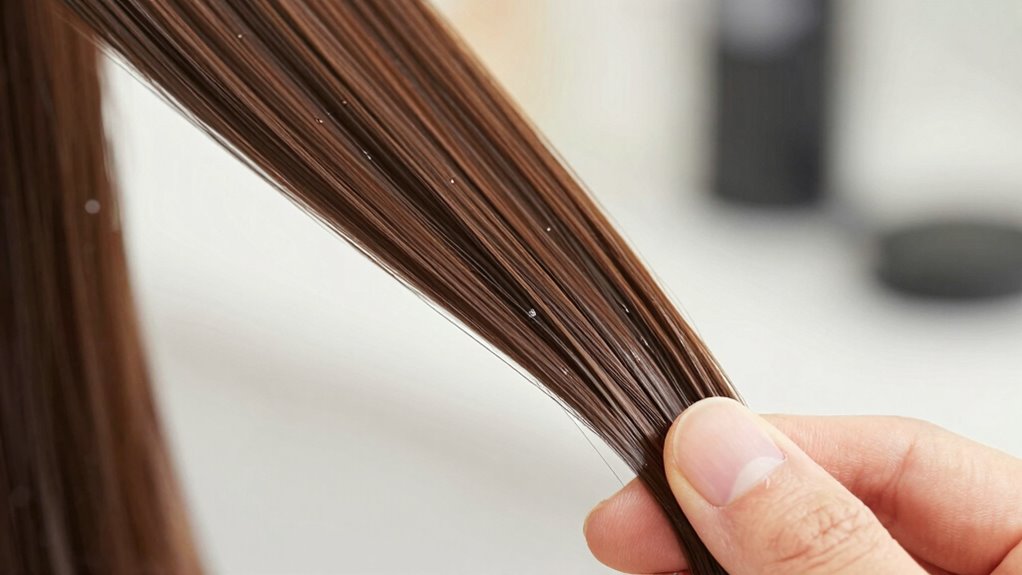
Frizz isn’t always caused by humidity or changing weather; sometimes, it stems from product buildup, damage, or improper styling. If you’re battling frizz even on days when the weather’s calm, it’s worth examining what you’re putting on your hair and how you’re treating it. Silicone serums, for example, are popular for taming frizz because they coat the hair shaft, creating a smooth barrier that reflects light and reduces flyaways. But if you overuse silicone-based products, they can build up over time, weighing down your hair and trapping dirt or oils, which can actually make your frizz worse. To prevent this, incorporate clarifying shampoos into your routine every few weeks to remove excess residue, and use silicone serums sparingly—just a small amount can make a noticeable difference without causing buildup.
In addition to silicones, protein treatments can play a crucial role in fixing internal damage that contributes to frizz. Hair is made up of keratin, a protein, and when your strands are damaged from heat styling, chemical treatments, or environmental stressors, they lose strength and become more prone to frizz. Protein treatments help rebuild these weakened areas, restoring the hair’s natural structure and improving its smoothness and resilience. When done regularly, they can make your hair less porous, reducing moisture loss and preventing the hair from becoming frizzy and unruly. Be careful, though—overdoing protein treatments can make your hair feel stiff or brittle, so follow the recommended frequency and always pair them with moisturizing products. Using proper styling techniques** can also significantly reduce frizz and damage, ensuring your hair remains healthy and smooth. Additionally, understanding how internal damage affects hair health can help you develop a more effective routine for frizz prevention. Regular trims and avoiding excessive heat styling can also help maintain hair integrity and minimize internal damage, further reducing frizz. To further support your hair’s health, incorporating scalp care** routines can help promote a healthier environment for your strands to grow strong and less prone to frizz.
Proper styling techniques also matter. Avoid rough towel drying or brushing your hair when it’s wet, as these actions can create frizz and damage. Instead, gently blot with a microfiber towel and detangle with a wide-tooth comb. When applying styling products, start with a small amount of silicone serum on damp hair, focusing on the ends and mid-lengths, then blow-dry with a nozzle attachment to direct airflow downward. Incorporating moisturizing products into your routine can help keep hair hydrated and less prone to frizz. Additionally, consider using heat protectants before styling to shield your strands from damage. Incorporate protein masks or treatments into your routine weekly or biweekly to strengthen your hair from within. When your hair is healthier and properly nourished, it’s less likely to frizz even when the weather is calm. Remember, controlling frizz isn’t just about fighting the elements—it’s about understanding and addressing the internal and external factors that damage your hair over time.

Odele Clarifying Sulfate-Free Shampoo, Deep Weekly Clean, 13 fl oz (1-Pack)
- Deep Clean and Revitalize: Removes buildup and impurities
- Color Safe Formula: Maintains color while removing chlorine
- Suitable for All Hair Types: Effective for removing buildup and chlorine
As an affiliate, we earn on qualifying purchases.
As an affiliate, we earn on qualifying purchases.
Frequently Asked Questions
Can Diet Influence Hair Frizz?
Yes, your diet impact can influence hair frizz. When you maintain a nutritional balance with foods rich in omega-3 fatty acids, vitamins A, C, and E, you support healthy hair that’s less prone to frizz. Staying hydrated also helps. By eating well and nourishing your body, you improve your hair’s moisture and elasticity, making it smoother and more manageable. Your diet truly plays a key role in controlling frizz naturally.
Does Hydration Affect Frizz Control?
Hydration definitely helps tame tricky, tamed or frizzy hair. Say goodbye to hydration myths that claim water doesn’t influence hair health—hydration is essential! Properly hydrated hair retains moisture, reducing frizz and enhancing shine. Styling myths often overlook this crucial step, but staying hydrated strengthens strands from within, smoothing the surface. So, drink plenty of water and keep your hair hydrated to enjoy sleek, shiny, and frizz-free locks every day.
Are Certain Hair Types More Prone to Frizz?
Certain hair types, like curly or wavy textures, are more prone to frizz because their strands tend to be more porous and sensitive to moisture. You can manage this by choosing suitable styling techniques, such as smoothing serums or anti-frizz creams, and avoiding harsh brushing when dry. Understanding your hair texture helps you pick the right products and techniques, keeping frizz under control regardless of weather conditions.
How Does Stress Impact Hair Appearance?
Stress markedly affects your hair’s health through stress-induced breakage and hormonal fluctuations. When you’re stressed, your body releases cortisol, which can weaken hair strands, making them brittle and prone to breakage. This hormonal havoc hampers hair’s health, leading to dullness and damage. You might notice your hair losing luster or becoming more fragile, so managing stress is essential for maintaining your hair’s strength, shine, and overall vitality.
Can Sleep Habits Reduce Frizz Overnight?
Yes, your sleep habits can reduce frizz overnight. Establishing consistent sleep routines helps your hair stay hydrated and minimizes breakage, which can cause frizz. Additionally, your dream patterns influence your stress levels, impacting hormone balance and hair health. When you sleep well, your scalp remains moisturized, and your hair cuticles stay smooth, resulting in less frizz come morning. Prioritize good sleep for healthier, sleeker hair.
Conclusion
Now that you know the secret to taming frizz without relying on weather conditions, it’s clear that consistent hair care matters more than fleeting weather changes. Did you know that 65% of women experience frizz daily? By incorporating simple techniques and the right products, you can keep your hair smooth and manageable anytime. So, ditch the weather excuses—your perfect, frizz-free hair is just a routine away!