To boost your hair growth, focus on a nutrient-rich diet with lean proteins like eggs and fish, which supply keratin-building amino acids. Include iron-rich foods such as spinach and red meat to improve oxygen delivery to follicles, while healthy fats like avocados and nuts keep your scalp moisturized. Vitamins A, C, and E support scalp health and sebum production. Exploring these nutrients further can help you discover the secrets to stronger, healthier hair.
Listen free for 30 days with Audible
Thousands of audiobooks and originals — cancel anytime.
As an affiliate, we earn on qualifying purchases.
Key Takeaways
- A balanced diet rich in protein, vitamins A, C, D, E, iron, and zinc supports hair growth and strength.
- Incorporating nutrient-dense foods like lean meats, eggs, nuts, and leafy greens ensures essential nutrients for hair health.
- Omega-3 fatty acids from sources like fatty fish and avocados promote scalp moisture and reduce inflammation.
- Proper hydration and adequate intake of macro- and micronutrients enhance hair growth and overall hair vitality.
- Supplements can aid if diet lacks key nutrients, but should be used under professional guidance to support healthy hair growth.
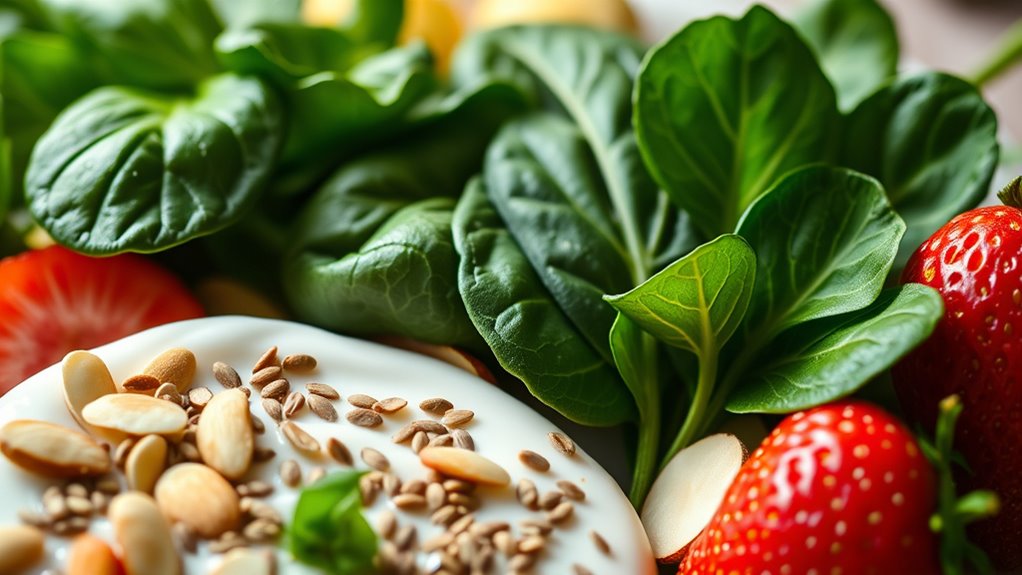
Your diet plays a crucial role in maintaining healthy, strong hair. When you pay attention to what you eat, you support your hair’s growth cycle, reduce breakage, and enhance its natural shine. While a balanced diet should be your first step, sometimes incorporating vitamin supplements can give your hair the extra nutrients it needs, especially if your diet falls short in key vitamins. Supplements like biotin, vitamin D, and iron can strengthen your strands from within, making them less prone to damage. Just remember, supplements aren’t a substitute for good nutrition but rather a complement. Before adding any to your routine, consult with a healthcare professional to ensure they’re right for you.
A healthy diet and supplements support strong, shiny hair—consult a professional before adding new vitamins.
In addition to supplements, hair detoxing is gaining popularity as a way to clear out buildup from styling products, pollutants, and excess oils that can clog hair follicles and impair growth. Hair detoxing involves using natural ingredients or specialized shampoos to deeply cleanse your scalp, promoting healthier hair from the root. This process can improve scalp circulation, encourage new growth, and give your hair a fresh, vibrant look. Combining a healthy diet with regular hair detoxing can considerably boost your hair health, especially if you notice sluggish growth or dullness.
A nourishing diet rich in proteins is essential because hair is primarily made of keratin, a type of protein. Incorporate lean meats, eggs, dairy, beans, and nuts into your meals. These foods supply amino acids that serve as building blocks for hair. Carbohydrates, especially complex carbs like whole grains, provide the energy needed for cell renewal and growth. Don’t forget healthy fats—avocado, olive oil, and fatty fish like salmon deliver omega-3 fatty acids that keep your scalp moisturized and reduce inflammation, which can hinder growth.
Vitamins such as A, C, and E are crucial for scalp health and sebum production, which naturally lubricates your hair. Vitamin C also enhances iron absorption, preventing deficiencies that can cause hair thinning. Iron-rich foods like spinach, lentils, and red meat support oxygen delivery to hair follicles, promoting growth and strength. Zinc, found in pumpkin seeds and chickpeas, helps repair damaged tissues and regulate oil production, further supporting healthy hair.
As an affiliate, we earn on qualifying purchases.
Frequently Asked Questions
Can Vegan Diets Support Optimal Hair Growth?
Yes, a vegan diet can support ideal hair growth if you include plant-based proteins and guarantee adequate vitamin B12 sources. Plant-based proteins like beans, lentils, and tofu supply essential amino acids for hair strength. Since B12 is primarily found in animal products, consider fortified foods or supplements. With proper planning, you can maintain healthy hair while adhering to a vegan lifestyle.
Are Hair Supplements Necessary if I Eat a Balanced Diet?
Think of your diet as a garden—if it’s already well-tended with diverse, nutrient-rich plants, hair supplements aren’t always necessary. If your dietary balance provides essential vitamins and minerals, supplement efficacy becomes less critical. However, if your garden’s lacking certain nutrients, supplements can help fill the gaps. Ultimately, assess your diet first; supplements should support, not replace, balanced nutrition for healthy, strong hair.
How Do Age and Gender Affect Nutrient Needs for Hair?
Your age and gender influence your nutrient needs for healthy hair. As you age, age-related hair changes occur, requiring more specific nutrients like biotin and iron. Gender-specific nutrients matter too; women may need more iron to prevent hair thinning, while men benefit from zinc for scalp health. Adjust your diet accordingly, focusing on these key nutrients, to support your hair’s growth and strength throughout different life stages.
Do Specific Foods Cause Hair Color Changes?
No, specific foods don’t cause hair color changes or hair dye effects. Your hair’s natural color is determined by genetics and melanin levels, not what you eat. While certain nutrients can keep your hair healthy and shiny, they won’t alter your natural color or cause a natural color change. If you want a color change, hair dye effects are your best option, but food alone won’t change your hair’s hue.
Can Dehydration Impact Hair Growth and Quality?
Dehydration can markedly impact your hair growth and quality. When your hydration levels are low, your body struggles to deliver essential nutrients to your hair follicles, leading to brittle, dry hair and slower growth. Make sure you drink enough water daily to maintain proper water intake. Staying well-hydrated improves your hair’s strength, shine, and overall health, ensuring your hair grows healthier and looks better every day.
Conclusion
When you focus on nourishing your body with the right nutrients, hair health naturally follows. It’s no coincidence that eating a balanced diet rich in vitamins, minerals, and proteins supports stronger, shinier hair. As you incorporate these foods into your routine, you might notice your hair thriving just as you pay attention to your overall well-being. Sometimes, good habits align perfectly, making healthy hair not just a goal but a natural part of your daily life.
Fall Picks
fall essentials
As an affiliate, we earn on qualifying purchases.