TL;DR

Get beauty and skincare favorites delivered free with Prime
- Fast, free delivery on millions of items
- Prime Video, Amazon Music and more included
- Member-only deals all year
Who What Wear has published a fashion trend report outlining six luxury looks it expects to shape Winter 2026. The supplied material describes four trends in detail: dark lace, collarless jackets, Art Deco-inspired opulence and statement-buckle accessories; it begins a fifth Western-themed trend but does not provide its details or the sixth trend.
Who What Wear has published a Winter 2026 fashion forecast built around six luxury trends, including dark lace, collarless jackets, Art Deco-inspired dressing and oversized belt buckles. The report presents these as runway-led style directions, not confirmed sales trends, and the source text available here does not fully describe all six.
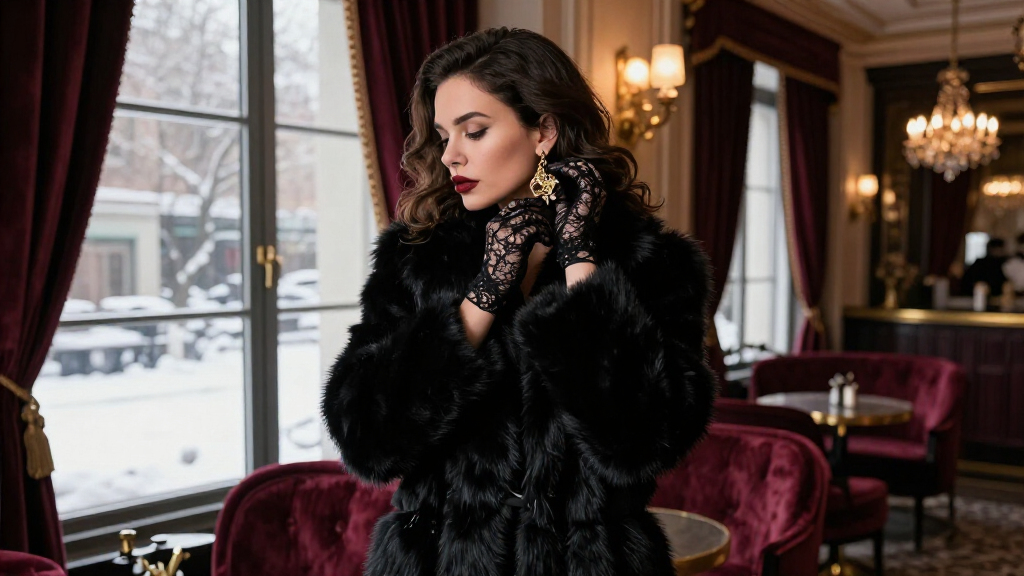
The forecast’s first trend is “vampy lace”: black lace blouses and dresses, sheer skirts and lace trims. Who What Wear points to looks from Ann Demeulemeester, Stella McCartney and Dolce & Gabbana, and suggests balancing sheer or romantic pieces with sharp tailoring, leather or pared-back accessories. These are editorial styling recommendations, rather than evidence that shoppers have adopted the look.
Collarless jackets are another proposed direction. The report describes a clean-necked silhouette with variations including animal print and padded shoulders, referencing Balmain and Bottega Veneta. It suggests wearing the jackets with tailored trousers for a polished outfit or straight-leg jeans for a more casual combination.
The report also identifies Art Deco-inspired opulence, citing jacquard, silk, embroidery and fur trims alongside robe coats, textured skirts, fluid dresses and cocktail bags. Its fourth detailed trend is statement buckles: belts and footwear with prominent gold or sculptural silver hardware. The article says these accessories can define a silhouette or add detail to simpler clothing. The provided source then starts a fifth trend titled “The Western Front,” but cuts off before explaining it.
How Runway Looks Enter Winter Wardrobes
The forecast offers shoppers and fashion retailers a guide to the looks an editorial outlet expects to gain attention as winter collections arrive. Its themes pair decorative details—lace, embroidery and prominent hardware—with practical wardrobe categories such as jackets, trousers and accessories.
That makes the report useful as a snapshot of styling ideas, but its claims should be read at the right scale. The material cites runway collections and recommends ways to wear the pieces; it does not provide retail sales figures, consumer surveys or market data confirming how widely the trends will catch on. Nor does it establish that the looks are exclusive to luxury labels.
Products Worth Considering

Garmin Venu® 3 Premium Fitness Smartwatch 45mm Black

Therabody Theragun Mini 3rd Generation Massage Gun, Black

Fitbit Sense Health & Fitness Smartwatch (White/Gold, International Version)
As an affiliate, we earn on qualifying purchases.
The Runway References Behind the Forecast
Who What Wear frames the report as a forecast for Winter 2026 and the start of 2027, with an emphasis on richer colours, decorative finishes and familiar silhouettes updated with modern details. It presents winter dressing as an opportunity to combine layers and outerwear, while recommending accessories and everyday pieces as ways to add polish.
The four detailed trend sections refer to runway imagery and named designers or fashion houses. Those references explain the editorial basis for the forecast, but the supplied text gives no show dates, collection-season breakdown or independent industry analysis. It also does not say whether each look is expected to appear widely in stores or remain concentrated in high-end collections.
Three Trend Descriptions Are Missing
The available source ends during the fifth heading, “The Western Front,” and does not include that trend’s explanation or the sixth item. As a result, the full six-trend list cannot be verified from the material provided. The supplied text also does not identify a publication date, name a specific forecasting methodology or offer evidence about consumer demand, prices or expected availability.
The article’s language is predictive: it says these styles are expected to shape the season. That forecast is Who What Wear’s editorial assessment, not a confirmed outcome. Whether the trends become widely adopted, and how retailers interpret them in their collections, remains unknown.
Full List Needed to Complete the Forecast
A complete account of the report would require the remainder of Who What Wear’s article, including its explanations of “The Western Front” and the sixth trend. Until that material is available, the four described directions can be reported, but the headline’s full list cannot be reconstructed reliably.
As Winter 2026 collections reach retailers, product availability and consumer response may provide evidence of which runway ideas move beyond editorial forecasts. The source supplied here does not give a schedule for those releases or a later update from Who What Wear.
Key Questions
What are the Winter 2026 luxury trends described in the available report?
The supplied text details dark lace, collarless jackets, Art Deco-inspired opulence and statement buckles. It begins a fifth section, “The Western Front,” but does not include its description or the sixth trend.
Which designers or fashion houses does the report reference?
For dark lace, it names Ann Demeulemeester, Stella McCartney and Dolce & Gabbana. Its collarless-jacket section references Balmain and Bottega Veneta, while the Art Deco section mentions Valentino.
Are these trends confirmed to be popular with shoppers?
No. The source is a fashion forecast based on editorial interpretation of runway looks. It provides no sales data or consumer research to confirm broad adoption.
What is missing from the six-trend list?
The provided article text cuts off after the heading “The Western Front”. It does not supply that section’s details or the sixth trend, so the full list cannot be established from this material alone.
Source: whowhatwear.com